How Independent Testing Validates the Performance of Legacy PVC-Clad Buildings
When evaluating a building envelope, performance should be measured, not assumed. Independent testing provides building owners with measurable data...
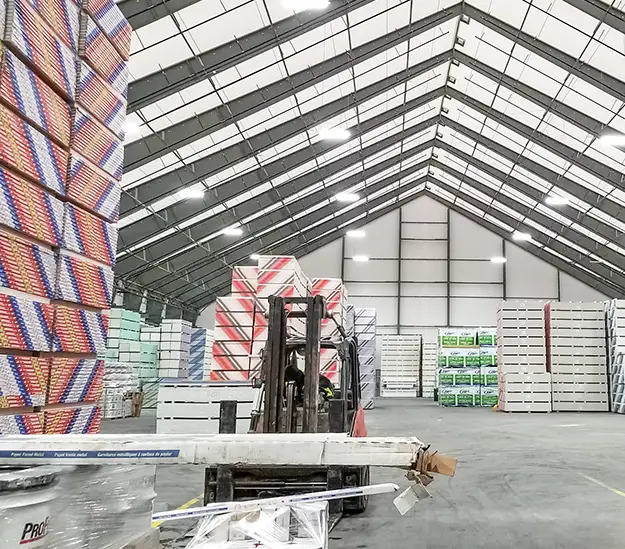
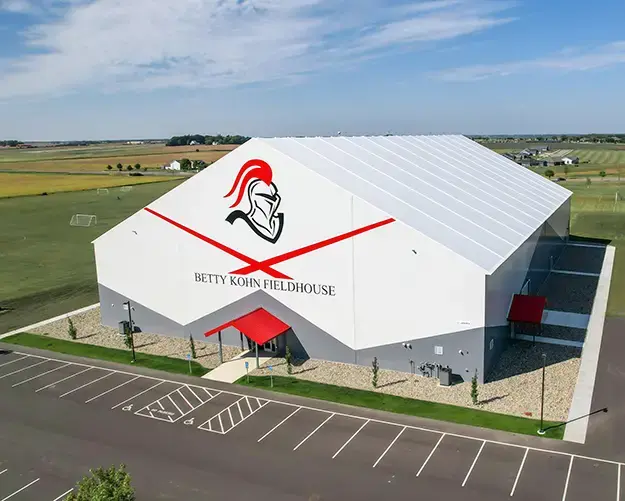
Open, enclosed, and insulated configurations for facilities across sports, agriculture, and general use.
Purpose-built for industrial and corrosive environments where standard coatings and structures fall short.
4 min read
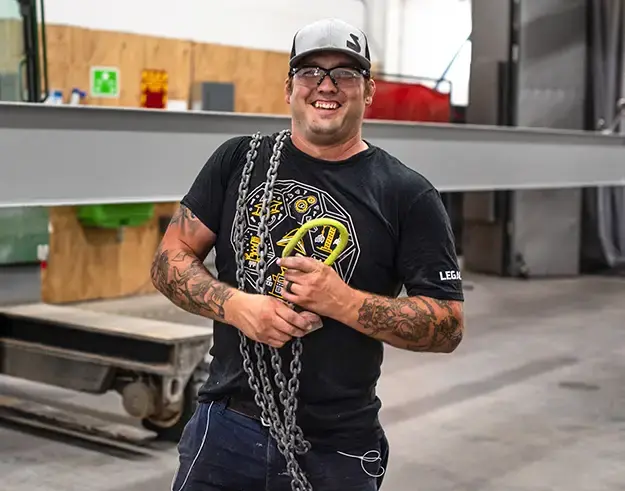
“The fabric is a lot tougher than people realize,” said Ben Fox, former president of Legacy Building Solutions. “From 12-ounce all the way up to 32-ounce and from polyethylene to PVC, there are a lot of different fabrics, and each has its own pros and cons.” Legacy's exclusive ExxoTec(TM) fabric is a 28-oz PVC fabric. Many fabric building manufacturers provide comparable high-performance membranes for modern fabric industrial buildings. Commonly used materials include high-density polyethylene (HDPE) and polyvinyl chloride (PVC) with UV inhibitors and protective topcoats; these contribute to durability with strong tensile strength, excellent tear resistance, chemical resistance, and long-term weatherability.
A natural question to ask of a fabric structure concerns its resistance to tearing. Will a careless employee with a box cutter sticking out of his pocket end up tearing a hole through the side of your building? Definitely not. In well-engineered fabric industrial buildings designed for demanding environments, tear resistance is a key specification. Reinforced base hems, welded seams, and robust keder or lace attachment systems distribute loads and help prevent localized damage from propagating.
“It takes a lot of pressure to cut the fabric, so it’s not going to happen by accident,” said Fox. “It’s by nature a very tough material and very easy to repair if that’s needed.” That’s one reason fabric storage buildings and other fabric industrial buildings are trusted for rugged applications. The combination of engineered frames (typically galvanized or epoxy-coated steel), tensioned membranes, and corrosion-resistant hardware ensures stability under wind, snow, and seismic loads.
How do you repair a fabric structure?
“Our fabric is made in individual panels—typically 20 feet wide—and attached individually to the frame. One of the benefits of that is that the panels can be individually replaced. It’s a lot less inconvenient and costly for the customer.” Many fabric building manufacturers use similar panelized approaches to minimize downtime and cost. Small punctures are often repaired with heat-welded patches, while larger damage can be addressed by swapping a single panel, preserving the rest of the enclosure and keeping maintenance costs low.
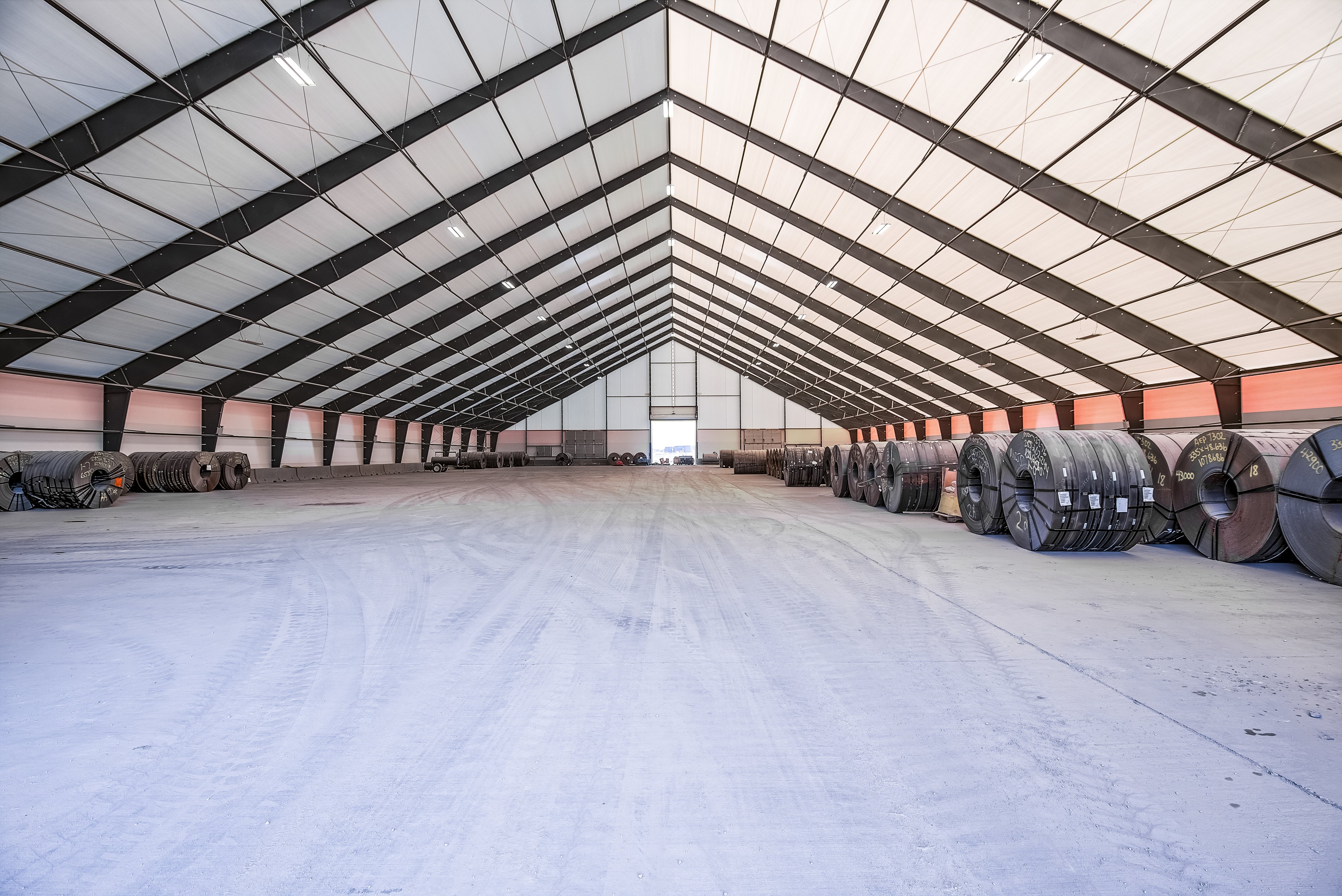
Properly engineered and constructed, fabric cladding has a minimum life span of 20 years. The right coatings can push that into the 30-year range, but it’s more than just the material properties of the fabric that account for this already surprising lifespan. When paired with corrosion-resistant frames, fabric industrial buildings offer long service life with predictable maintenance. This low-maintenance profile—no painting of cladding, fewer corrosion issues, and simple cleaning—drives cost efficiency over time.
“One of the keys to the longevity of the fabric cladding is to get proper tension on it in both directions: vertically and horizontally,” said Fox. “We call it biaxial tension. If the fabric’s properly tensioned, that’s when you get the longest lifespan.” Proper tensioning limits flutter, reduces wear at attachment points, and maintains structural stability under varying environmental loads.
Fox described fabric structures in terms of three key aspects: the metal framing, the fabric, and the attachment of the two. “You can have great engineering and great fabric, but if you don’t attach it properly, it won’t last,” Fox added that the steel frame has a lifespan of 50 years or more, as is typical with other solid-framed buildings. Leading fabric building manufacturers emphasize engineered connections—such as bolted plate connections, hot-dip galvanizing, and precision clamping—to ensure longevity equal to or exceeding many conventional systems.
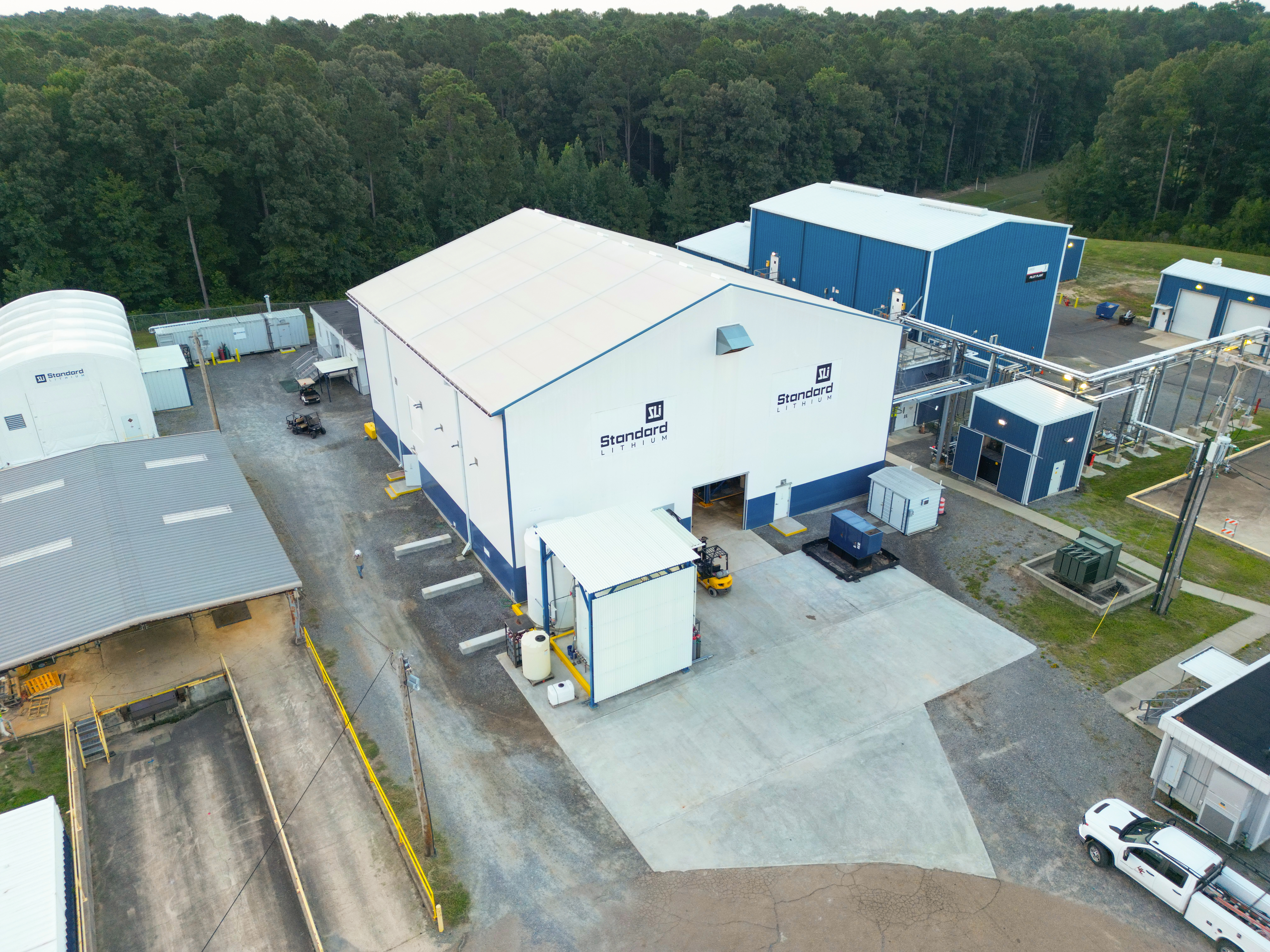
Although corrosive storage is the most common use for fabric buildings, other industries have started to take advantage of the benefits and customization fabric buildings offer. This includes fabric storage buildings for bulk commodities, equipment, and sensitive materials that require controlled environments. Additional benefits include rapid installation, relocatability, abundant natural light through translucent membranes, and clear-span interiors that maximize usable space and operational flexibility.
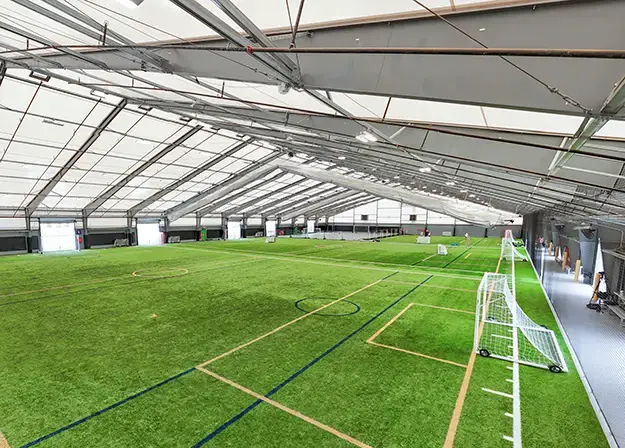
“We’re doing a lot of recreation structures for indoor sports, like tennis and football,” said Fox. “We do a wide variety of industries: from aviation, where you need large spans with large doors, to casinos, where you need a clean and fairly airtight environment.” The clear-span nature of fabric industrial buildings enables wide openings, tall clear heights, and flexible layouts for evolving operations.
In fact, fabric structures are more airtight than their pre-engineered metal counterparts. “HVAC specialists are used to finding ten to fifteen percent air leakage in metal structures, but they only find one to four percent in ours,” said Fox. That performance advantage is a key reason fabric storage buildings excel for temperature and humidity-sensitive products. Improved airtightness, coupled with reflective or insulated liners, can reduce energy consumption and further enhance cost efficiency.
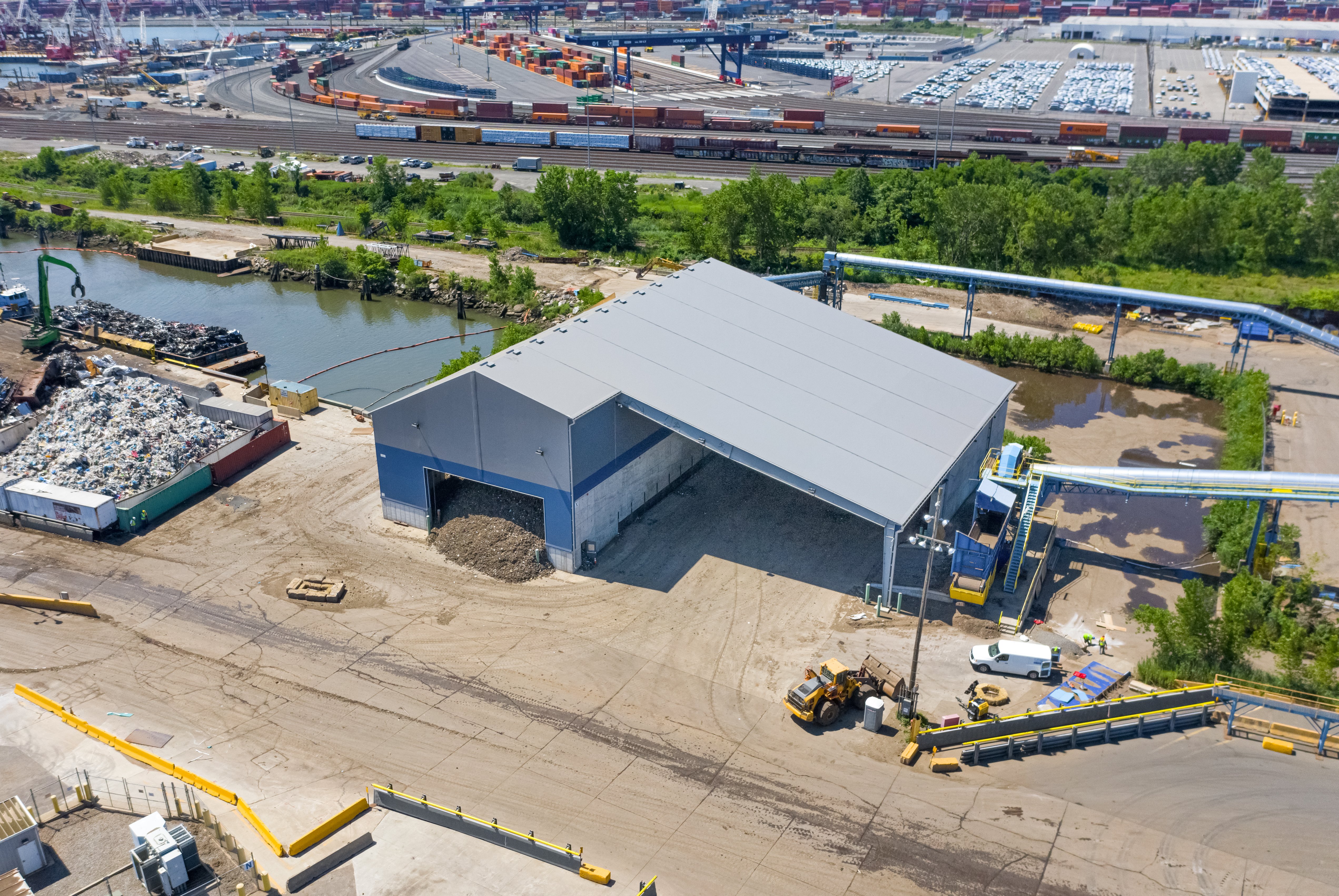
Fabric structures have come a long way in recent years. They offer all the benefits of metal structures when it comes to durability, longevity, and flexibility. Fabric buildings have a strong advantage over pre-engineered structures: they can be erected faster and at a typically lower cost. For many industrial owners, fabric industrial buildings deliver accelerated schedules without sacrificing performance, along with low maintenance, corrosion resistance, and adaptability.
“By the time you include construction, we’re the same price to 20-30 percent less than conventional [metal] structures,” said Fox. When sourced from experienced fabric building manufacturers, projects can be designed, fabricated, and installed to meet strict codes and operational needs while controlling total installed cost. From large-span aviation hangars to adaptable fabric storage buildings on remote sites, today’s fabric industrial buildings combine speed, value, resilience, and low lifecycle costs—making them a compelling option for the next project.
When evaluating a building envelope, performance should be measured, not assumed. Independent testing provides building owners with measurable data...
When selecting a building manufacturer, it's easy to compare building sizes, pricing, and features. But some of the most important differences happen...
As specialty building systems gain traction across municipal, industrial, aviation, and recreational markets, more general contractors are managing...