How Independent Testing Validates the Performance of Legacy PVC-Clad Buildings
When evaluating a building envelope, performance should be measured, not assumed. Independent testing provides building owners with measurable data...
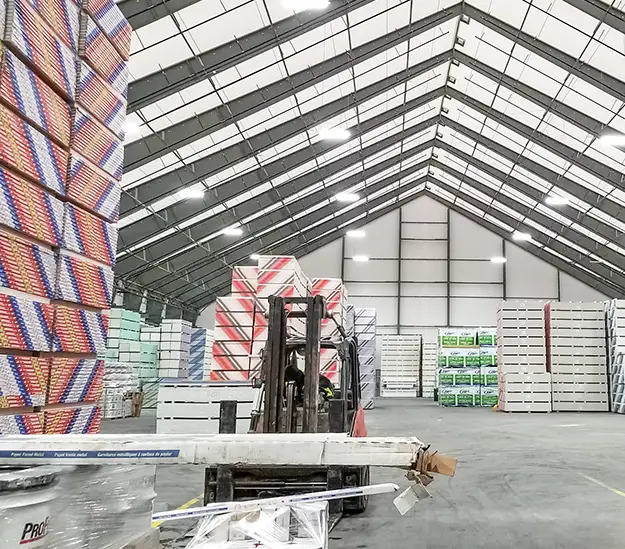
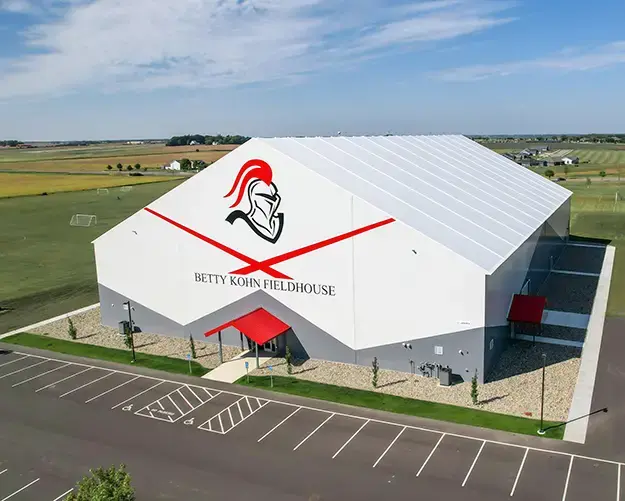
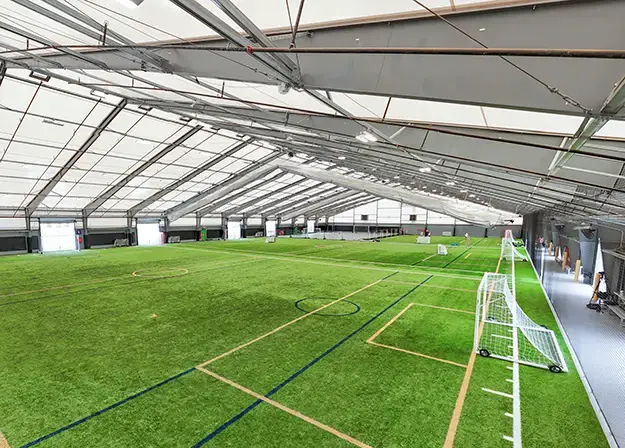
Open, enclosed, and insulated configurations for facilities across sports, agriculture, and general use.
Purpose-built for industrial and corrosive environments where standard coatings and structures fall short.

4 min read
For EPC firms and engineering teams, building selection has become a critical operational decision, not simply a structural one. Industrial owners now expect facilities that can be delivered faster, withstand harsh environments, reduce lifecycle maintenance, and support evolving operational requirements without compromising engineering integrity. As a result, many EPCs are specifying PVC-clad building solutions earlier in planning to align performance with project risk profiles. In many cases, Specifying PVC Clad Building Solutions has become a standard early-step discussion for EPCs evaluating risk, cost, and schedule.
Many EPCs are evaluating PVC-clad industrial buildings as an alternative to conventional metal cladding for industrial facilities. Modern PVC-clad industrial buildings combine rigid steel framing with high-performance architectural membranes to create highly durable enclosures engineered for demanding environments. These engineered PVC Clad structures are being deployed across mining, bulk storage, ports, aviation, municipal infrastructure, energy, and industrial processing applications worldwide. With EPCs seeking High Performance industrial building solutions that balance speed and durability, engineered PVC Clad structures offer predictable delivery and performance.
Engineering and procurement teams are balancing multiple pressures on every project:
Traditional metal-clad buildings remain common, but many facilities operate in conditions where corrosion, condensation, maintenance, or installation timelines become long-term operational challenges. PVC-clad systems offer an alternative approach that addresses these concerns while aligning with High Performance industrial building solutions criteria that owners and EPCs increasingly require.
Unlike temporary fabric shelters, engineered PVC Clad structures utilize permanent rigid steel framing designed to meet site-specific environmental loads and building code requirements. This gives EPCs confidence that specifying PVC-clad buildings can fit within standard review and approval workflows, while Specifying PVC Clad Building Solutions also supports consistency in procurement and quality control.
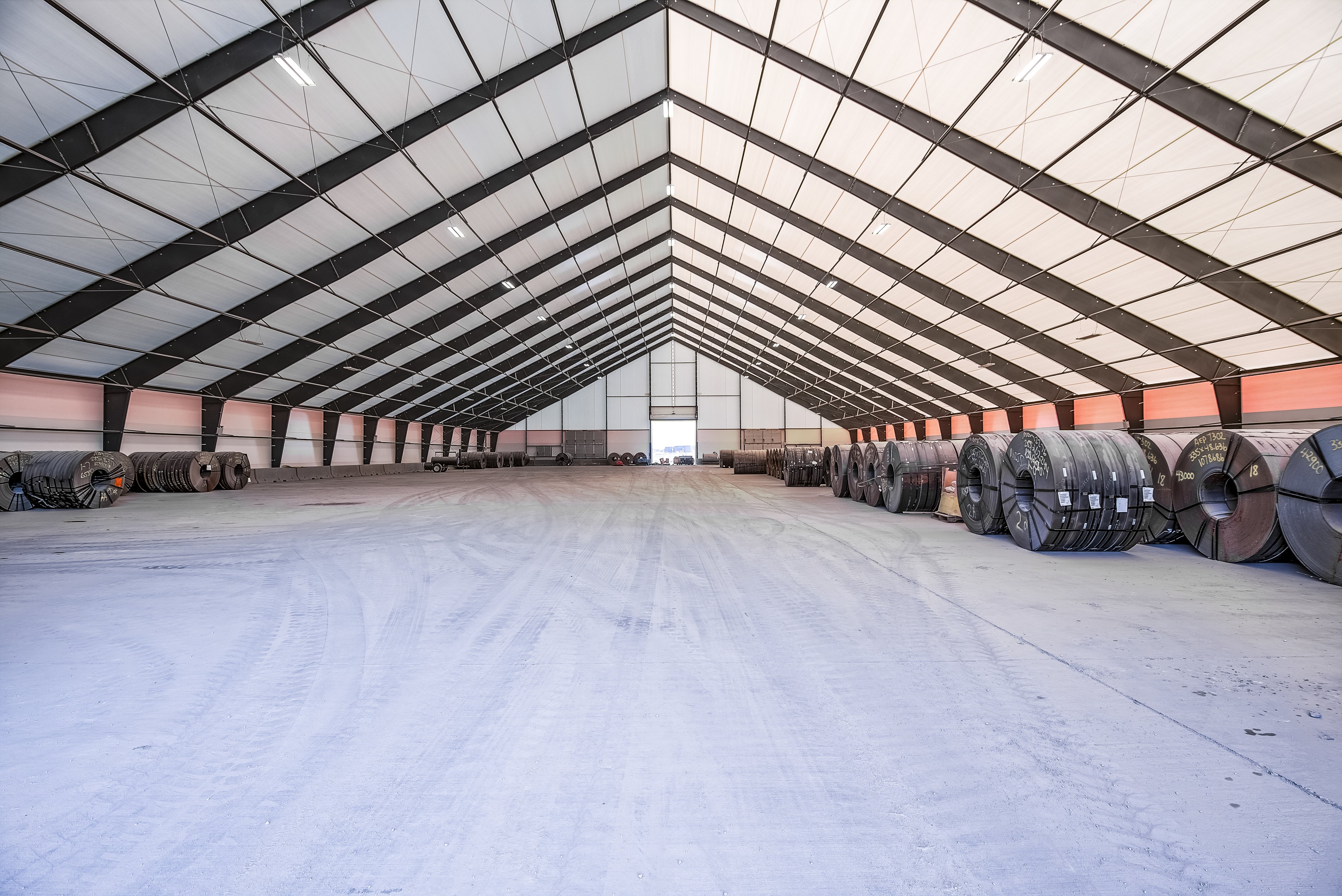
Speed-to-operation is a major driver: PVC membrane cladding is typically lighter and faster to install than conventional metal panels, enabling parallel structural fabrication and site preparation to compress schedules and reduce delivery risk. PVC membranes are inherently resistant to many corrosive conditions, helping reduce long-term maintenance in aggressive environments. Rigid-frame PVC-clad industrial buildings can be engineered for wide clear spans, large door openings, crane integration, and mechanical suspension, supporting operational flexibility. Translucent membranes can admit diffused daylight, improving visibility and potentially reducing daytime lighting demand while mitigating interior condensation. Collectively, these advantages can support lower lifecycle costs and align with High Performance industrial building solutions objectives.
2. PVC Cladding Performance in Different Climates
In cold climates, PVC’s low thermal conductivity and condensation control help maintain better interior conditions, particularly when paired with insulated panel systems and proper ventilation. In hot or high-solar-gain regions, reflective membrane options can reduce heat absorption and support energy efficiency. In coastal or chemically aggressive areas, the membrane’s corrosion resistance helps protect the enclosure, while steel frames are safeguarded with appropriate coatings. Engineered systems are designed for snow, wind, and seismic loads, ensuring consistent performance across diverse environments, which is why EPCs continue Specifying PVC Clad Building Solutions for varied geographies.
3. Fire and Building Code Considerations
Engineered PVC Clad structures are designed to meet applicable local and national building codes, including structural, fire, and life safety provisions. Membranes are available with fire-retardant formulations that comply with relevant flame spread and smoke development criteria. Depending on occupancy and use, additional measures such as fire separation distances, sprinkler systems, or enhanced egress may be incorporated. Compliance is achieved through stamped engineering, documented material testing, and coordination with authorities having jurisdiction during permitting, key factors for EPCs.
4. Installation and Integration with Structural Panels
PVC cladding integrates with rigid steel frames via engineered attachment systems that distribute loads and accommodate thermal movement. Installation typically involves tensioning the membrane over structural members, sealing overlaps, and detailing penetrations for doors, mechanical systems, and utilities. Where thermal or acoustic performance is required, insulated liner panels or composite wall assemblies can be integrated behind the membrane. Large clear-span frames support overhead cranes and services, while modular components enable rapid erection and future expansion, making PVC-clad industrial buildings a strong fit for evolving operations.
5. Maintenance Requirements for PVC-Clad Exterior Surfaces
Exterior maintenance generally consists of periodic inspections and basic cleaning with mild detergents to remove dust, salt, or industrial residue. Routine checks of tension, hardware, and seals help maintain performance. Unlike metal cladding, PVC membranes are not susceptible to rust, reducing repainting and corrosion repair. If damage occurs, localized patching or panel replacement can be performed with minimal disruption, supporting high uptime for industrial operations and reinforcing EPC confidence in Specifying PVC Clad Building Solutions.
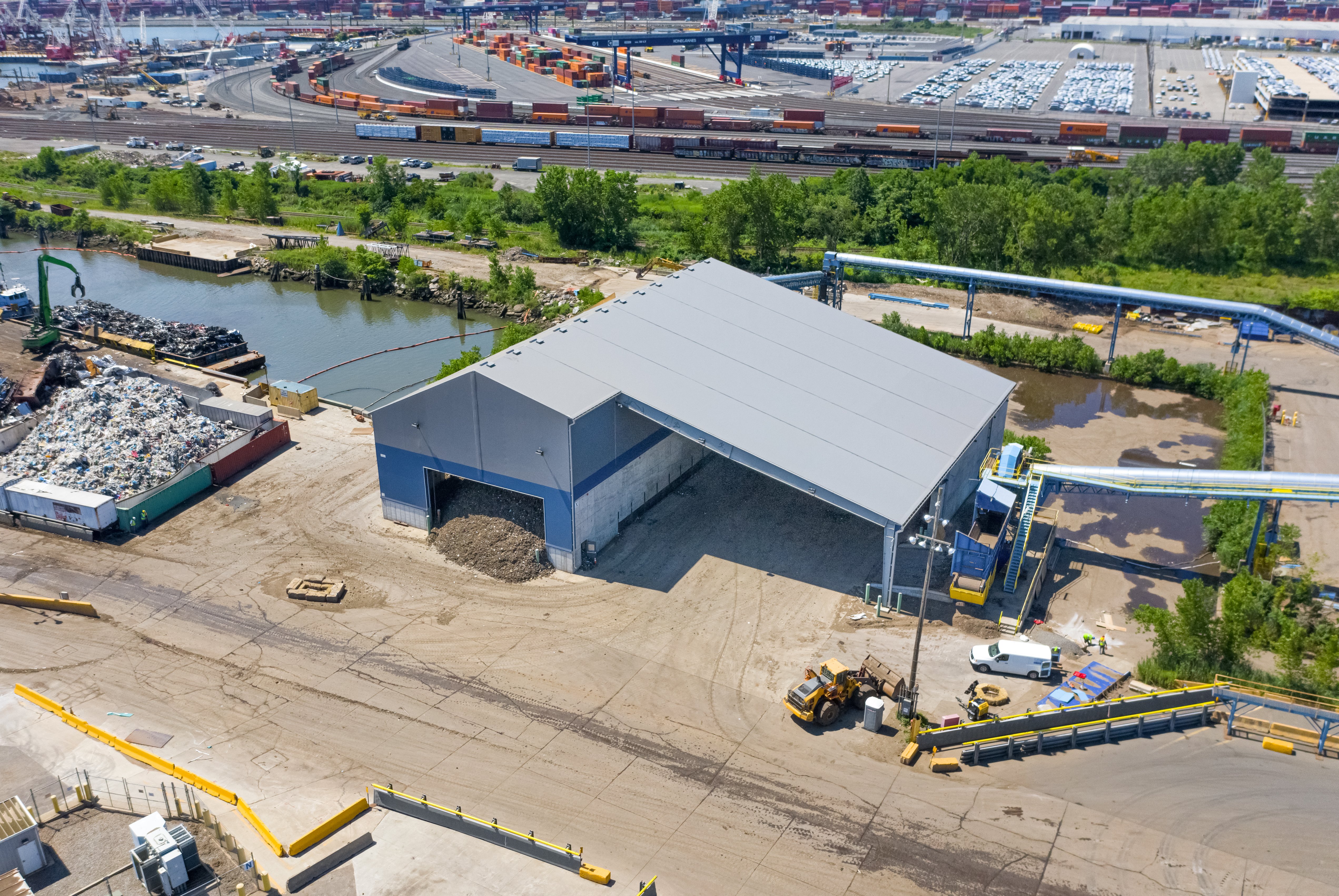
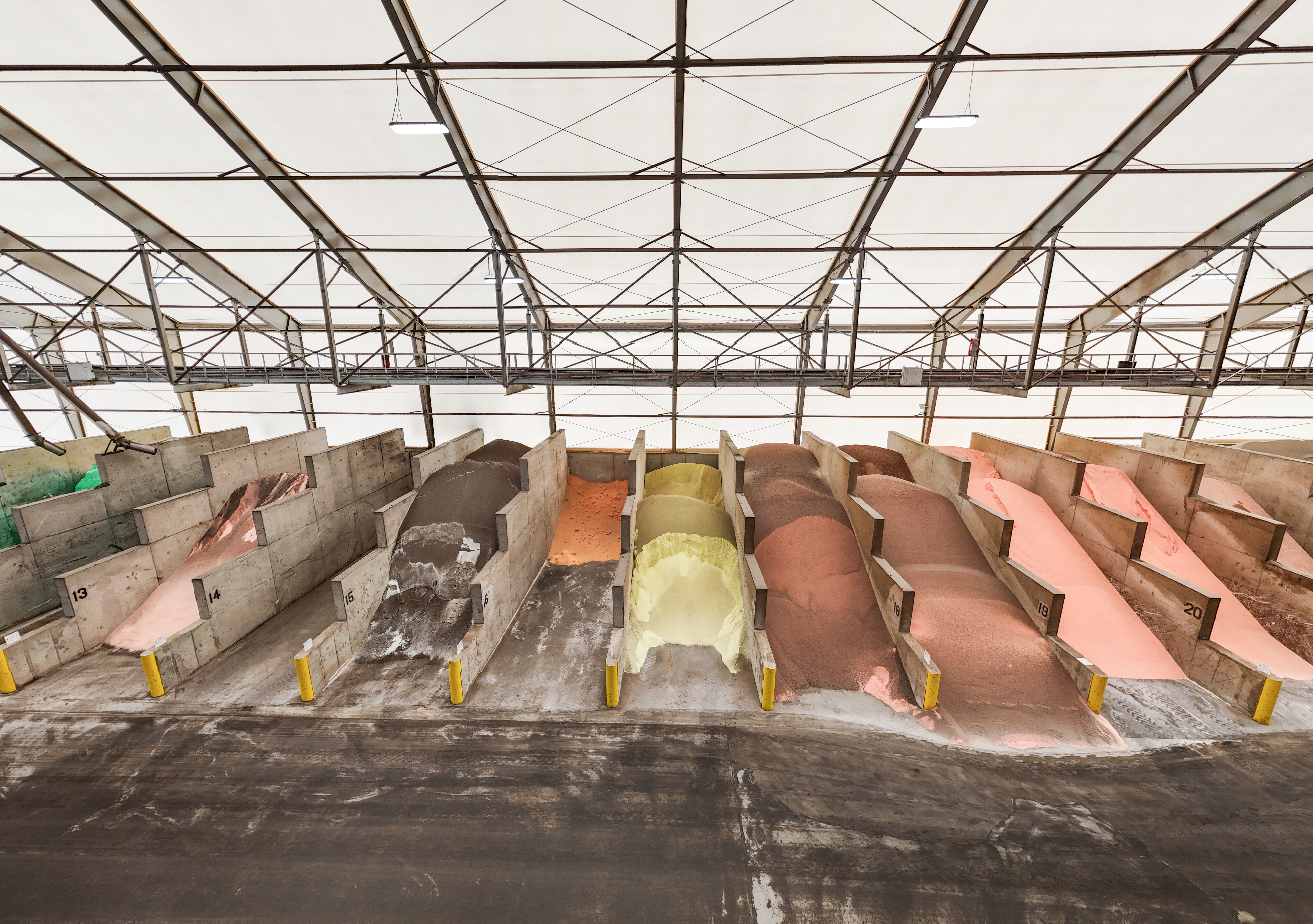
PVC-clad systems are increasingly specified for bulk commodity, salt and fertilizer storage, mining operations, aviation hangars, municipal public works, waste and recycling facilities, industrial maintenance buildings, and port logistics structures. Owners in these sectors prioritize durability, low maintenance, rapid construction, and operational efficiency—especially for PVC clad logistics buildings that demand reliable throughput. EPCs see PVC clad logistics buildings as a way to combine speed of delivery with robust service performance.
For EPCs evaluating enclosures early, PVC-clad industrial buildings can offer advantages when projects require aggressive schedules, corrosion resistance, reduced maintenance, large clear spans, expandable layouts, improved interior environments, and lower lifecycle operating costs. The key is partnering with a manufacturer experienced in fully engineered PVC Clad structures—so specifying PVC-clad solutions yields predictable outcomes for EPCs and owners alike.
As owners continue prioritizing speed, operational efficiency, and lifecycle durability, EPCs are broadening the range of enclosures considered at concept. PVC-clad building solutions are gaining traction because they address real-world operational challenges while meeting the engineering rigor required for industrial projects. For engineers and EPC teams, the focus is on selecting the enclosure system that best supports long-term performance, construction efficiency, and total lifecycle value—an approach that increasingly points to Specifying PVC Clad Building Solutions and leveraging High Performance industrial building solutions in PVC-clad industrial buildings and PVC clad logistics buildings.
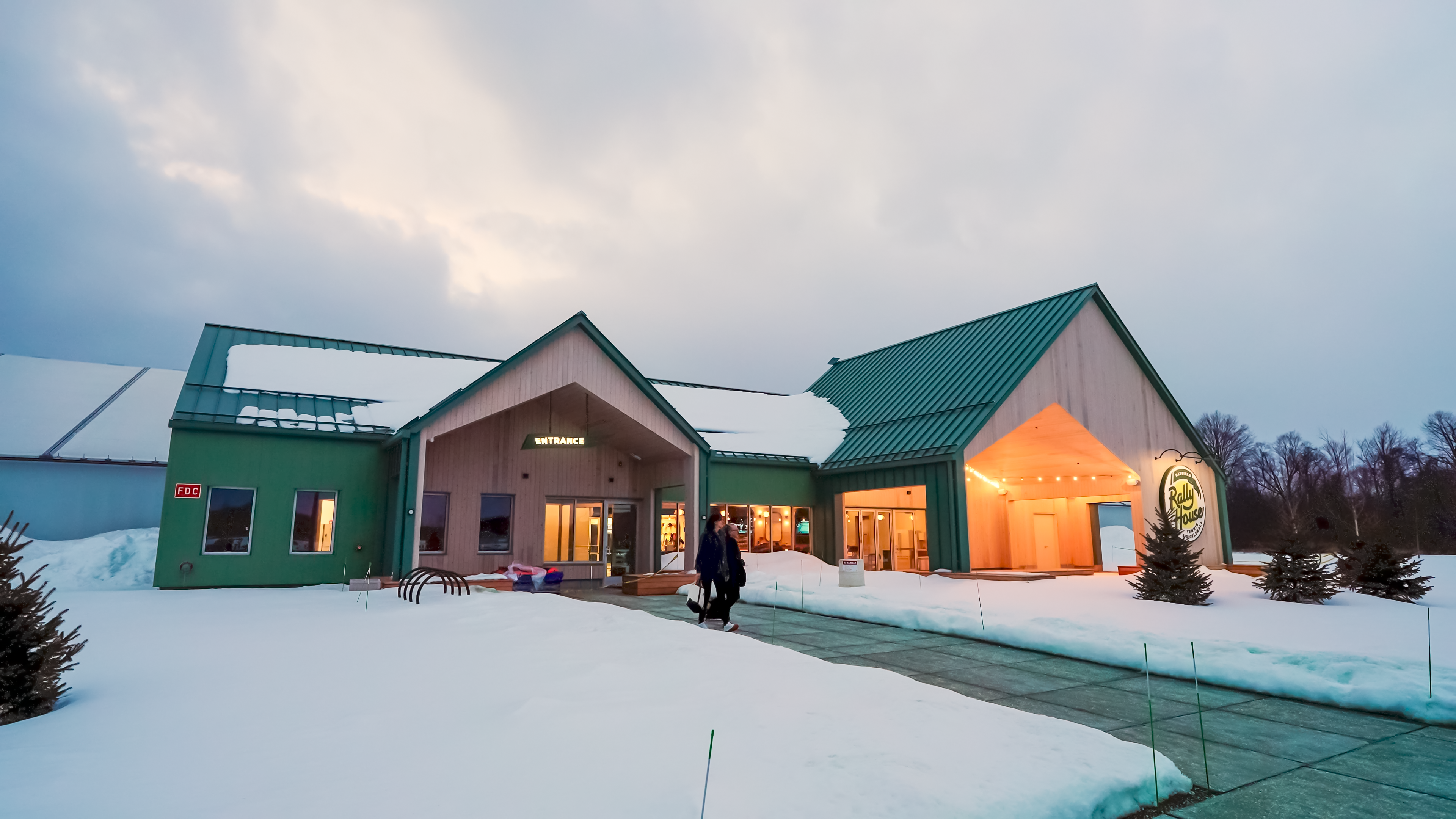
When evaluating a building envelope, performance should be measured, not assumed. Independent testing provides building owners with measurable data...
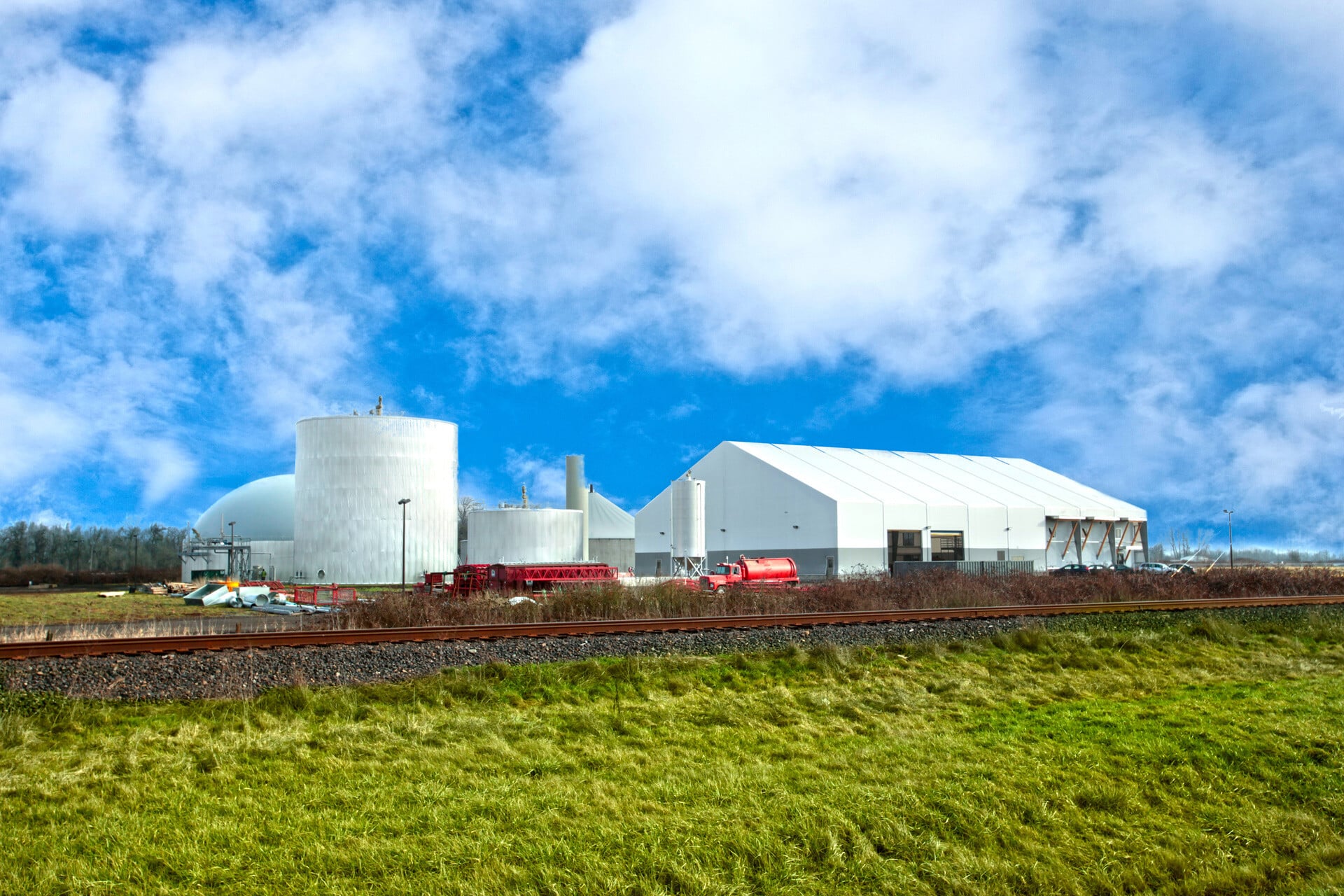
When selecting a building manufacturer, it's easy to compare building sizes, pricing, and features. But some of the most important differences happen...
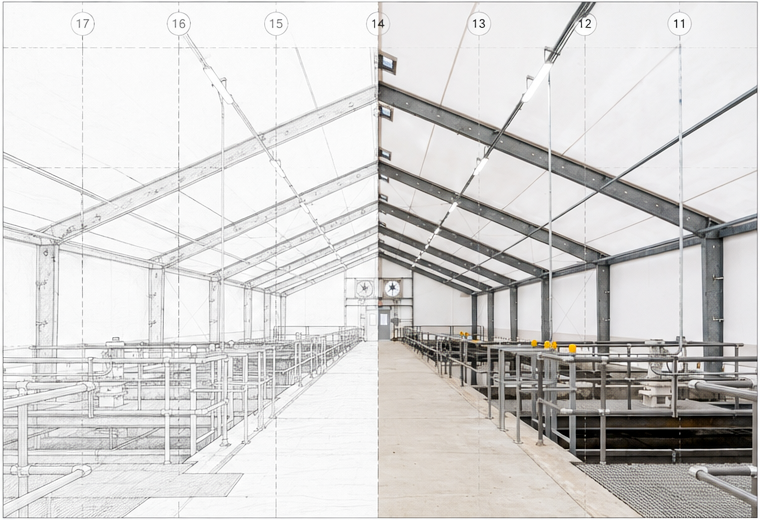
As specialty building systems gain traction across municipal, industrial, aviation, and recreational markets, more general contractors are managing...