How Independent Testing Validates the Performance of Legacy PVC-Clad Buildings
When evaluating a building envelope, performance should be measured, not assumed. Independent testing provides building owners with measurable data...
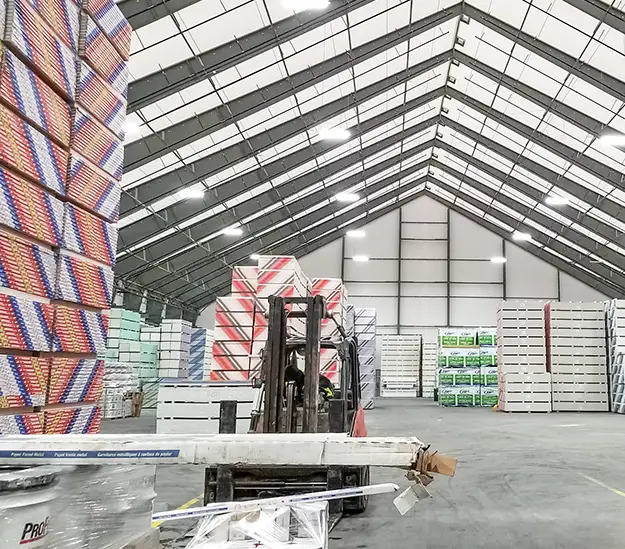
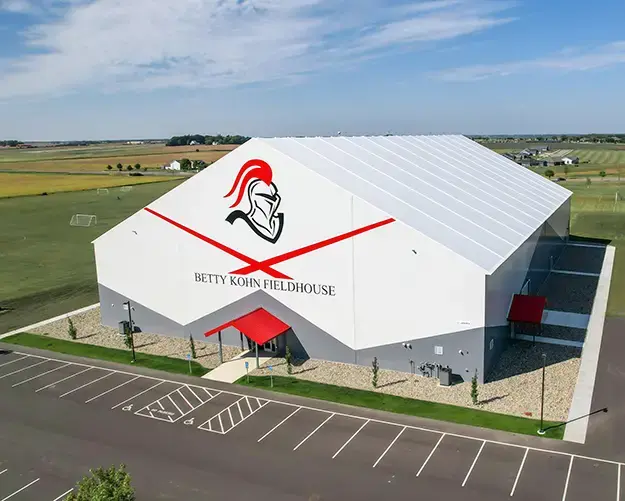
Open, enclosed, and insulated configurations for facilities across sports, agriculture, and general use.
Purpose-built for industrial and corrosive environments where standard coatings and structures fall short.

1 min read

When evaluating a building envelope, performance should be measured, not assumed. Independent testing provides building owners with measurable data to evaluate airtightness, energy performance, and long-term building efficiency.
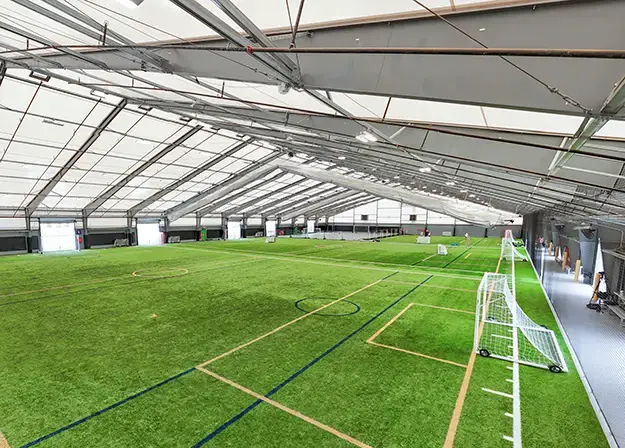
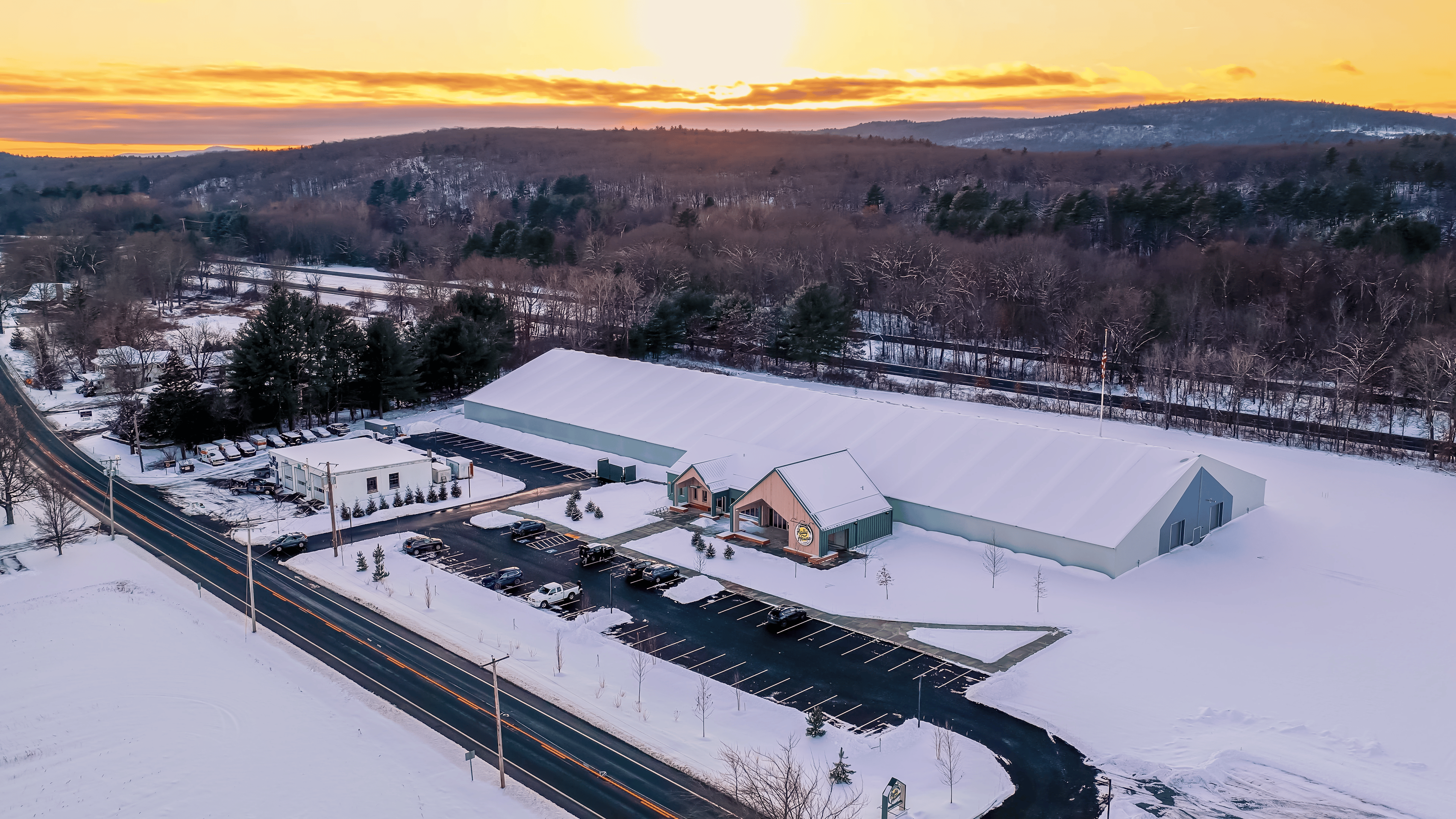
A recent ASTM E3158 blower door test performed at the Hatfield Rally House demonstrated the airtightness performance of Legacy's PVC-clad building system. The building achieved a final result of just 0.04 CFM75/sf of shell area, while meeting Passive House airtightness requirements and performing approximately ten times tighter than required by code.
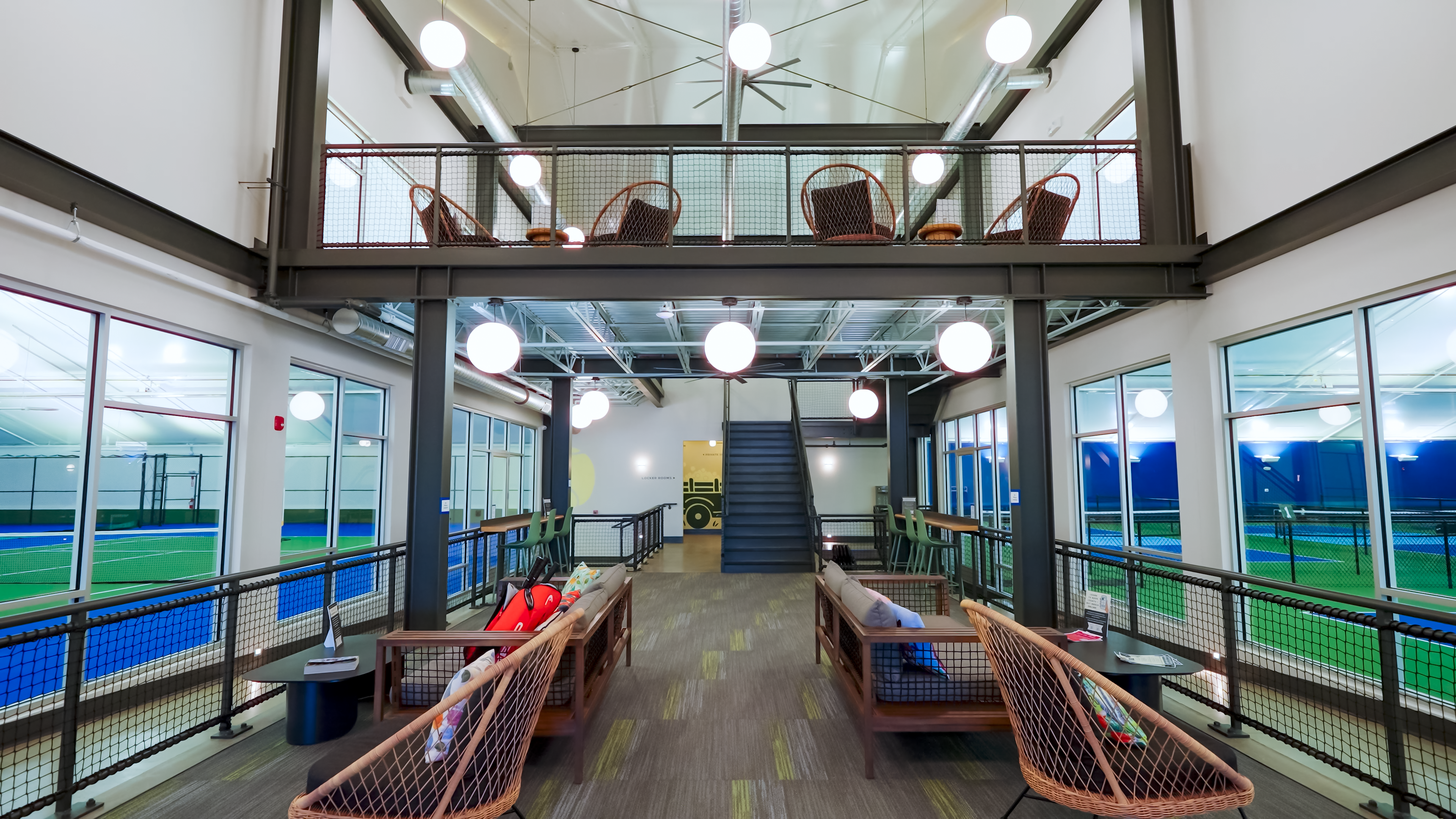
Why does airtightness matter? A tighter building envelope helps reduce unwanted air infiltration, which can lower HVAC operating costs, improve occupant comfort, and support moisture management throughout the building's lifecycle.
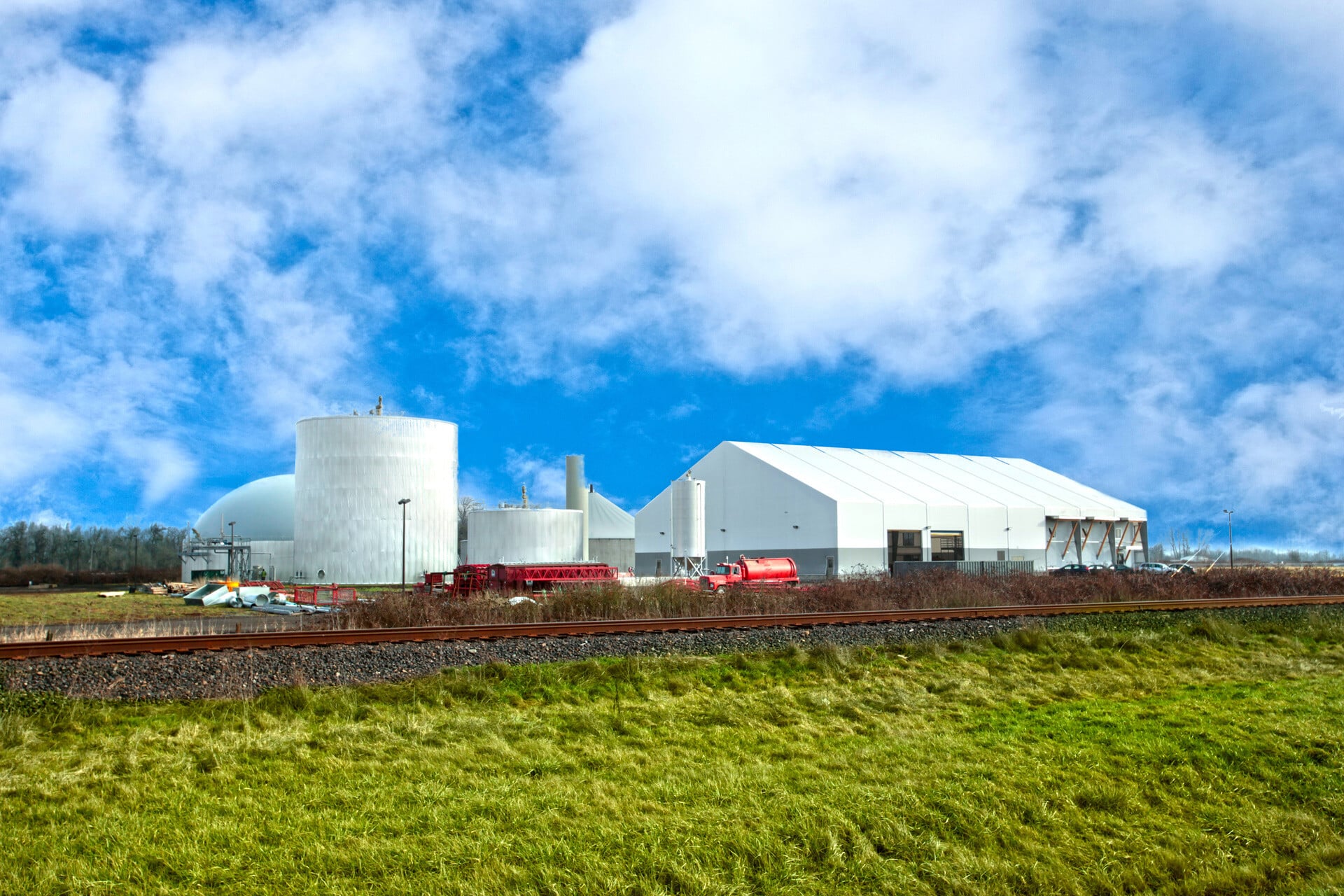
Legacy engineers PVC-clad buildings as complete building systems, combining a rigid steel frame with a tensioned PVC exterior membrane and integrated building envelope components. This approach supports structural performance and long-term functionality across recreation, industrial, aviation, military, and commercial applications.
Independent testing provides measurable evidence of how that building envelope performs once the structure is complete. For owners, contractors, architects, and engineers, these results offer another level of confidence when evaluating building systems and long-term operational performance.
Performance isn't just designed into every Legacy building. It's independently tested and verified.
When evaluating a building envelope, performance should be measured, not assumed. Independent testing provides building owners with measurable data...
When selecting a building manufacturer, it's easy to compare building sizes, pricing, and features. But some of the most important differences happen...
As specialty building systems gain traction across municipal, industrial, aviation, and recreational markets, more general contractors are managing...