
Less Energy.
More Money.
Energy costs are one of the largest ongoing expenses a facility carries. Legacy buildings are engineered to reduce those costs.
Energy Costs
Add Up. The Right Building Fights Back.
Artificial lighting, heating, cooling, and ventilation drive ongoing operational expenses throughout a building’s lifecycle. Which costs you can address—and how—depends on the building configuration you choose.
Legacy’s enclosed uninsulated buildings can eliminate artificial lighting during the day and reduce interior heat through passive ventilation. Our enclosed, insulated, and lined buildings support full climate control and deliver superior thermal and air-leakage performance. Each configuration has a distinct environmental performance benefit.
Choose Your Configuration
Enclosed & Uninsulated
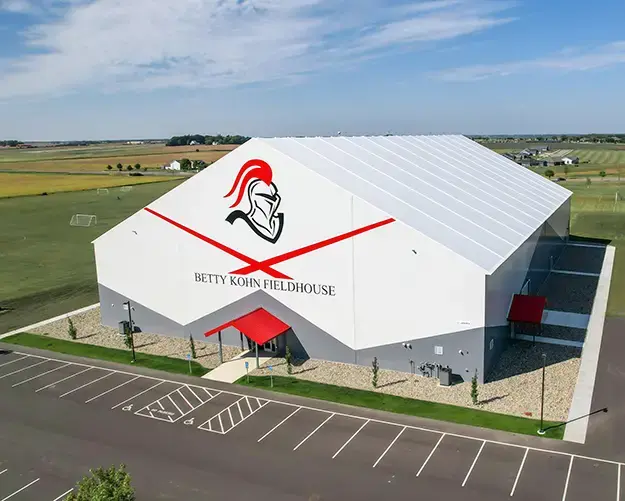
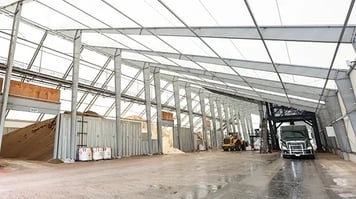
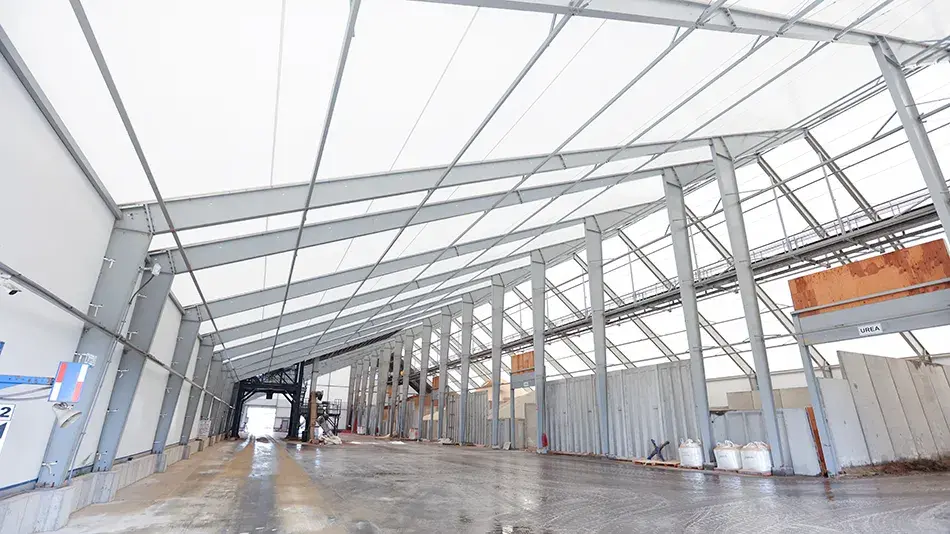
Full weather enclosure without insulation or interior liner. White ExxoTec™ fabric blocks direct sunlight—eliminating the primary driver of elevated WBGT readings—while still transmitting natural daylight into the interior. Workers get the thermal benefit of shade without the darkness of a metal building.
Enclosed, Insulated & Lined
Full weather enclosure with insulation and ExxoTec™ Pro interior liner. Superior thermal envelope performance—U-values from 0.033 to 0.023—reduces heat transfer and stabilizes interior conditions. Air-leakage performance exceeds code minimums by a factor of 10, reducing uncontrolled infiltration that drives HVAC demand.
Environmental Performance
Through Design
Legacy addresses building performance through optimized lighting strategies, high-performance thermal envelope design, and passive climate control approaches—each matched to the configuration that makes them possible.
For All Configurations
-
Sustainability and Embodied Carbon
Legacy’s tapered and optimized steel beam design reduces the total steel content of each structure compared to standardized or conservatively over-engineered alternatives. Less steel means lower embodied carbon in the building materials—an increasingly important metric for owners pursuing LEED certification or sustainability reporting requirements.
PVC cladding also contributes to a lower-steel building compared to metal cladding systems, which require heavier secondary framing to support the additional dead load.
For Uninsulated
-
Natural Daylighting
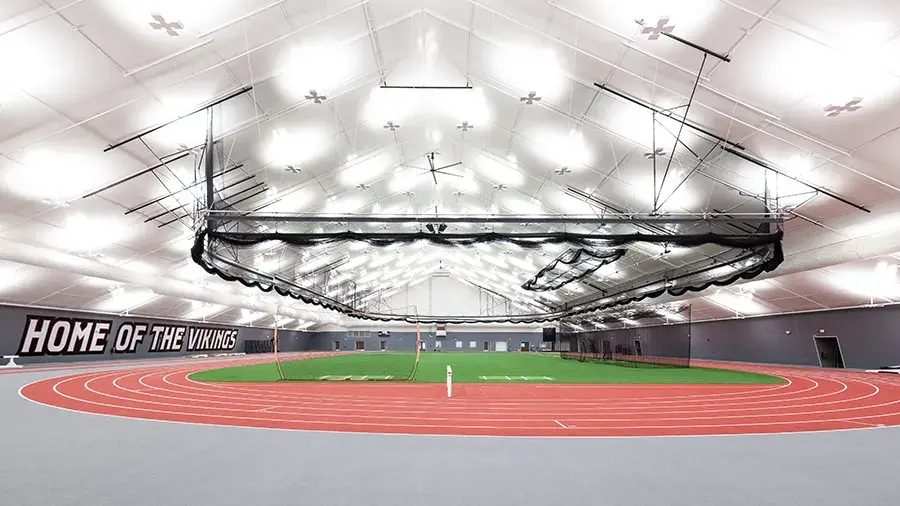
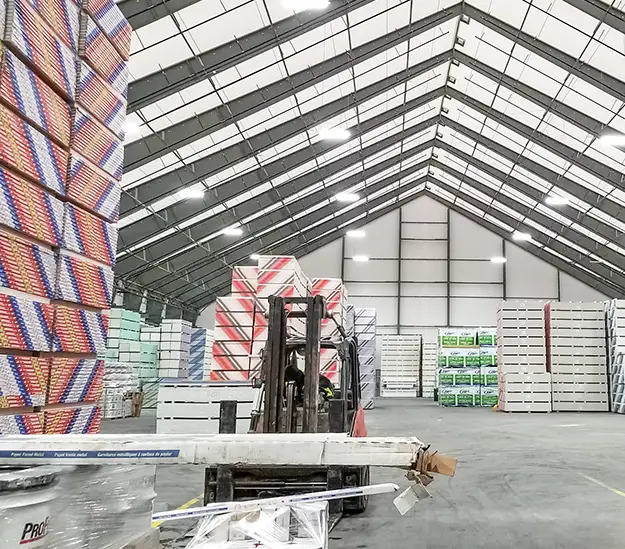
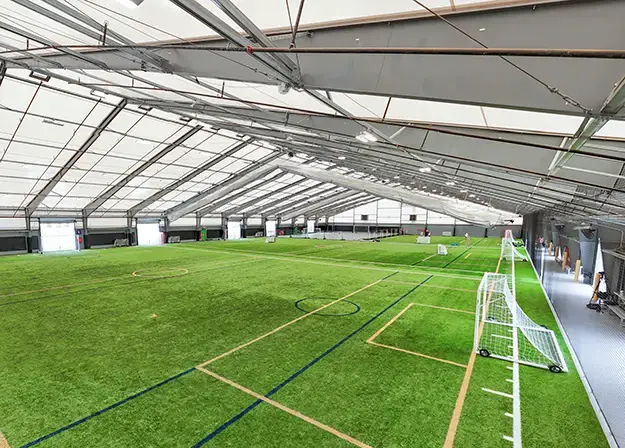
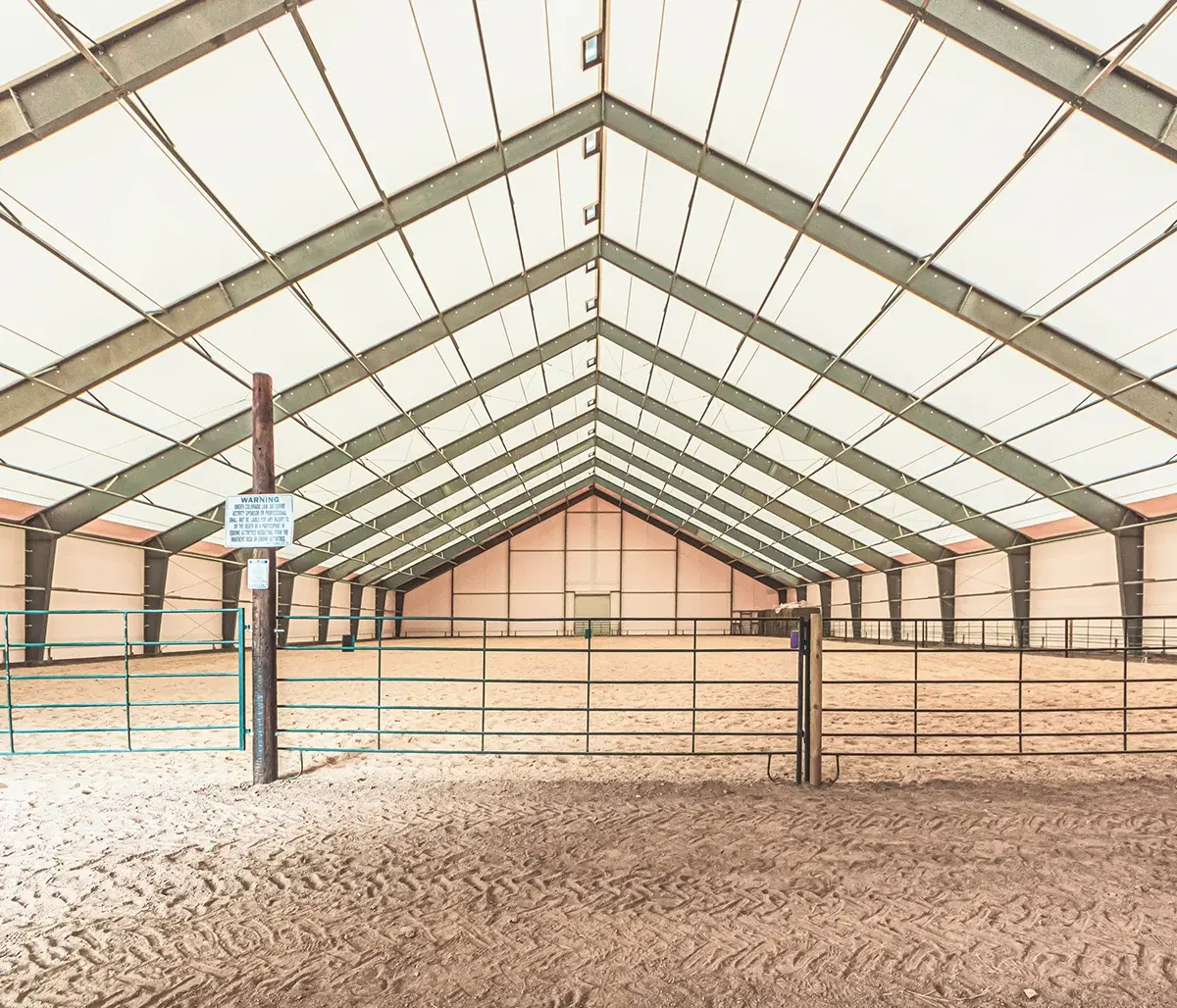
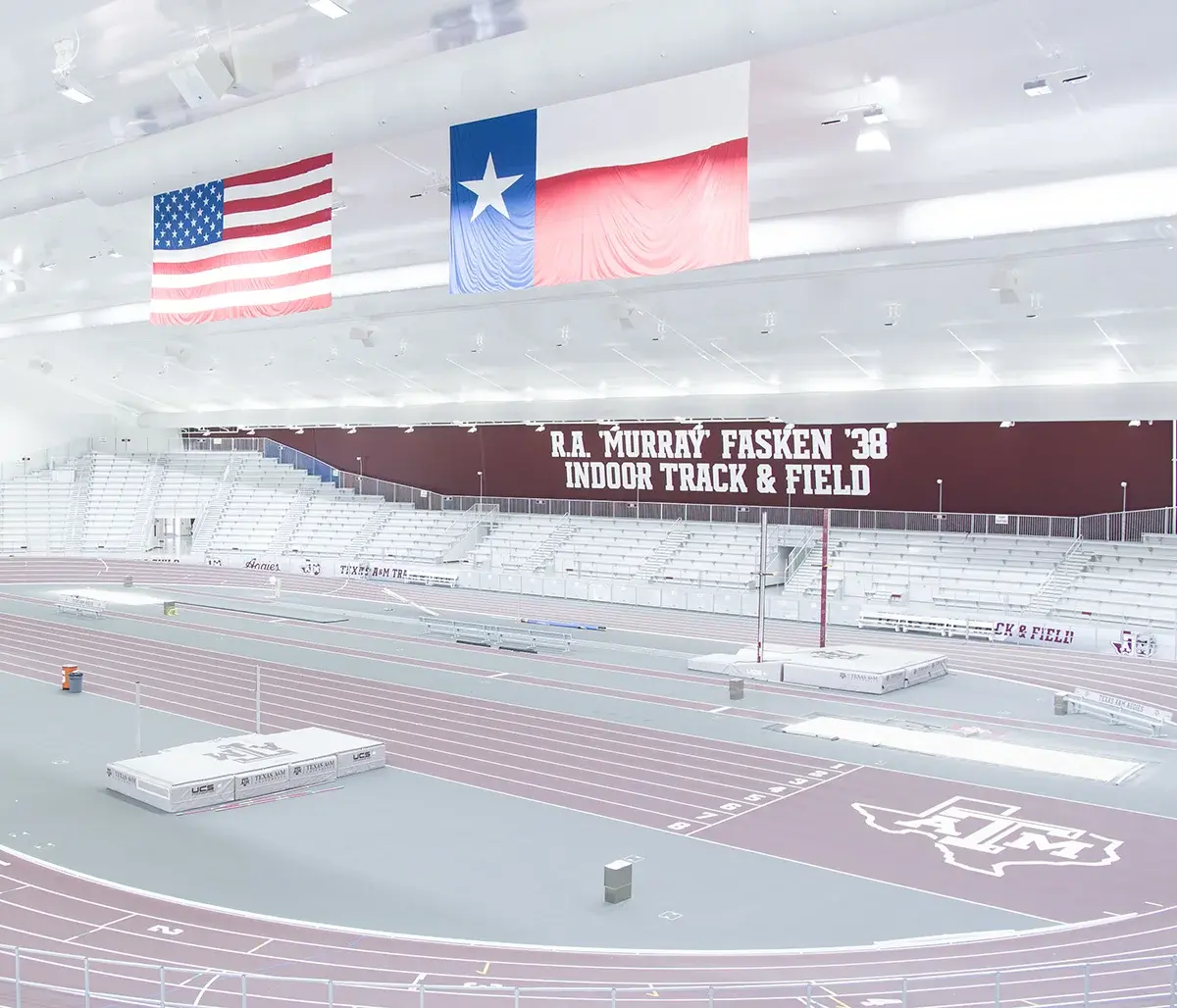
White ExxoTec™ PVC cladding provides 12% translucence, distributing natural daylight uniformly throughout the building interior without glare. Unlike point-source skylights that create bright spots and shadows, the full roof area acts as a distributed light source—producing bright, even illumination across the entire floor area.
This can reduce or eliminate artificial lighting during daylight hours, lower lighting installation and maintenance costs, reduce electrical infrastructure requirements, and support occupant wellbeing.
-
Passive Ventilation and Heat Management
Legacy buildings integrate passive ventilation systems combining air intake at eaves with peak exhaust vents, creating natural convection flow that continuously exchanges interior air without mechanical systems. This approach delivers continuous operation independent of power, no operational or maintenance costs, and moisture management without mechanical dehumidification.
The system reduces WBGT (Wet Bulb Globe Temperature) readings by up to 14.5°F compared to an unventilated enclosure.
-
Thermal Non-Conductivity
ExxoTec™ PVC cladding does not transfer thermal energy between exterior and interior environments the way metal does. Steel and corrugated metal absorb and radiate heat; PVC does not. Even without insulation, this limits solar heat gain during summer and reduces radiant heat loss in winter compared to metal buildings of equivalent construction.
For Insulated & Lined
-
Thermal Envelope Performance
Legacy’s insulated configuration delivers U-values from 0.033 to 0.023—among the highest thermal resistance values achievable in a tension fabric building system. These values reflect the full assembly performance, including the insulation layer and the ExxoTec™ Pro interior liner that creates a seamless vapor barrier across the entire envelope.
Metal building construction creates thermal bridges wherever structural members compress insulation, reducing the effective R-value of the assembly. Legacy’s approach eliminates these bridges, so the specified insulation performance is the actual performance.
-
Superior Air-Leakage Performance
Uncontrolled air infiltration is one of the primary drivers of HVAC energy consumption—conditioned air escaping and unconditioned air entering forces mechanical systems to work harder and run longer. Legacy’s insulated envelope is 157% more efficient than a comparable steel-framed building in verified testing.
This performance stems from ExxoTec™ heat-welded seams and Legacy’s patented tensioning system, which create a continuous membrane with no exposed fasteners and no infiltration pathways through the envelope. -
Interior Liner Lighting Efficiency
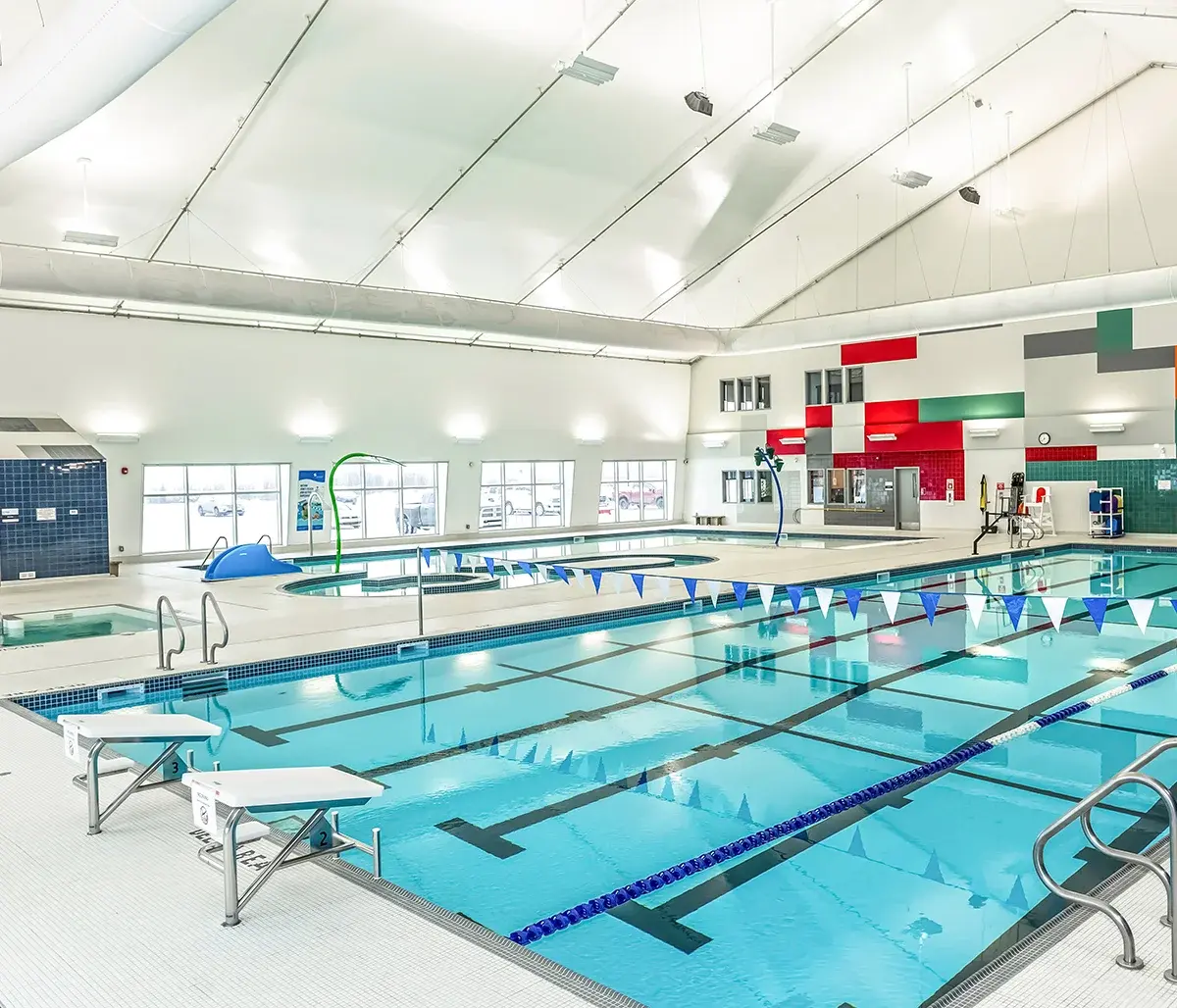
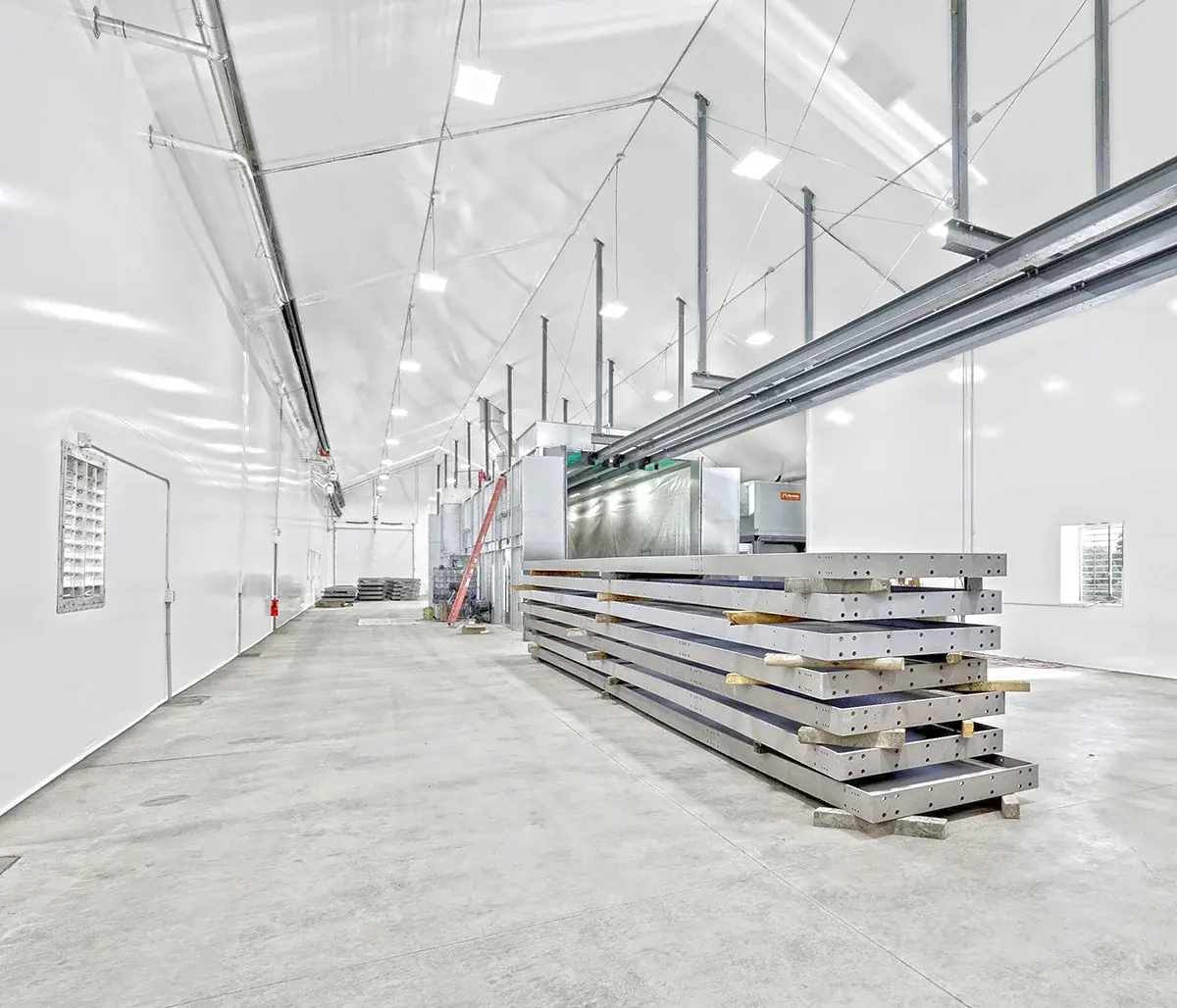
The ExxoTec™ Pro white interior liner covers all structural steel, creating a smooth, highly reflective surface that maximizes the efficiency of artificial lighting. Compared to corrugated metal liner panels—which cast shadows and absorb light at fastener lines—the smooth white liner surface reflects LED lighting evenly across the full interior.
This reflectivity reduces the number of fixtures required to achieve target lux levels, lowering both the capital cost of lighting installation and the ongoing energy cost of operating it. The liner’s consistent surface also maintains its reflective performance over time without repainting.
Featured Projects
Featured Projects
Biomethane Production Office & Processing Building
19,200 sq ft Biomethane Waste-to-Energy Production Building
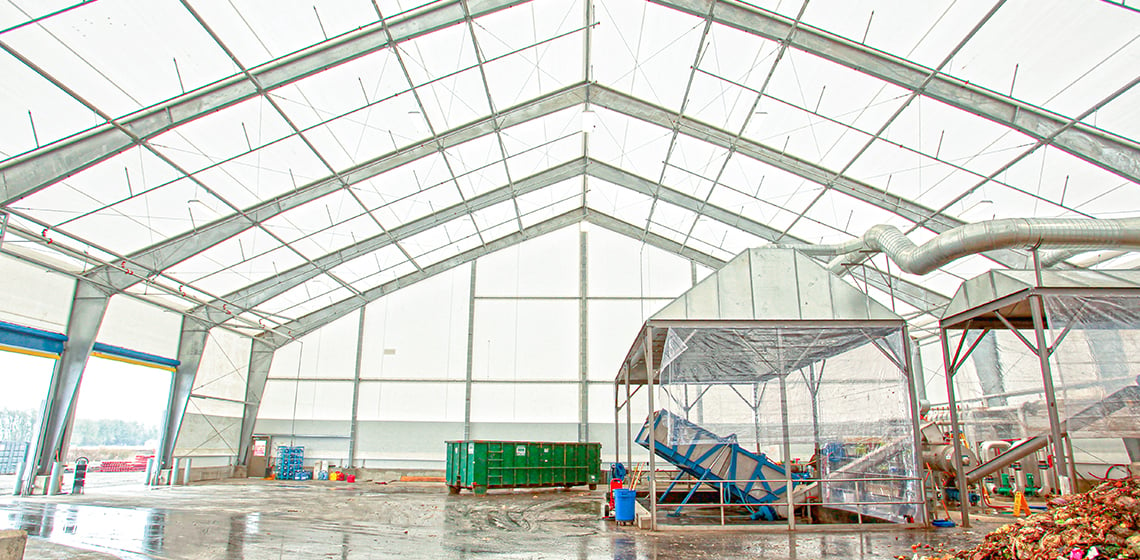
The Biomethane Facility features a tall peak for tipping trucks, a sealed envelope to contain odors, and clear-span space to store food waste for use.
View ProjectsAGC Elizabethtown KY | Automotive Storage Solutions
16,482 sq ft Automotive Storage Structure | Elizabethtown, KY
AGC Elizabethtown KY - Explore our durable fabric structures for automotive storage.
View ProjectsBasin Electric Power Cooperative Bottom Ash Dewatering Facility
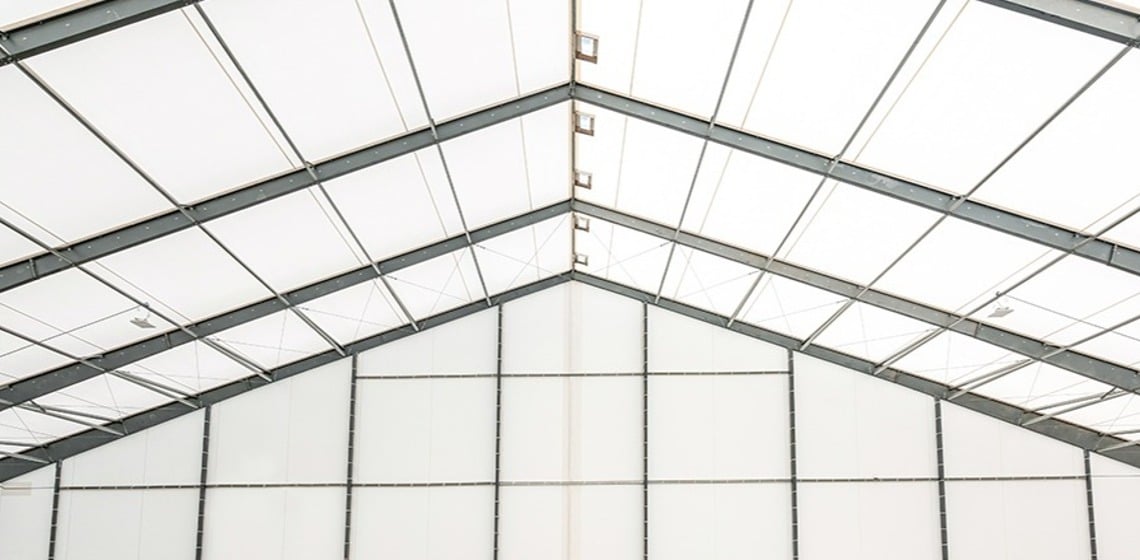
52,800 sq ft Coal-Fired Energy Plant Processing Remediation Building | Stanton, ND
The structure, built over a wastewater facility, protects equipment dewatering ash and features a ventilation system with six air replacements per hour.
View ProjectsBBE Hydro Vehicle Maintenance and Warehouse Buildings
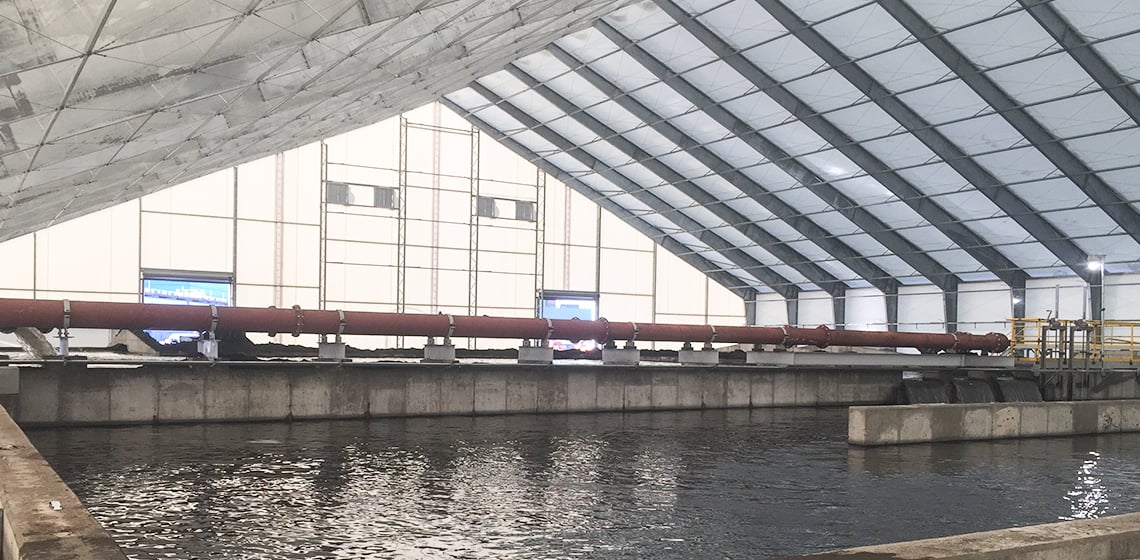
30,800 sq ft Vehicle Maintenance and Warehouse Buildings | Thompson, MB
Explore BBE Hydro's project in Thompson, MB, serving the mining, oil, gas, and energy industries. Subscribe to our newsletter for more updates!
View ProjectsNorth Dakota LNG Co.
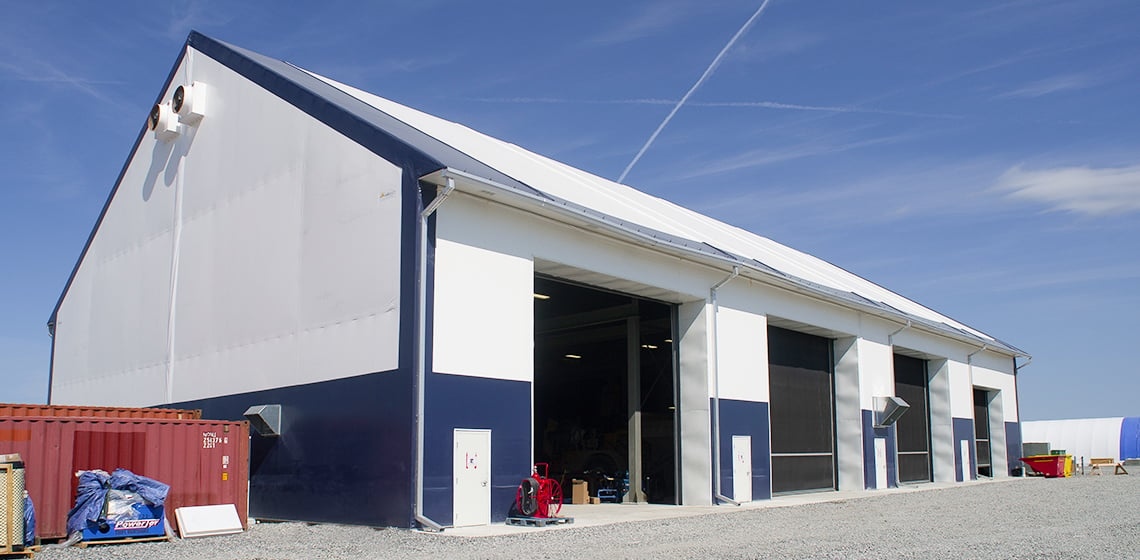
6,860 sq feet Liquefied Natural Gas Processing
North Dakota LNG Co. facility in Tioga, ND: 6,860 sq ft, Class 1/Div. 2 compliant, 41 ft peak clearance, custom foundation, ventilation, and doors.
View Projects
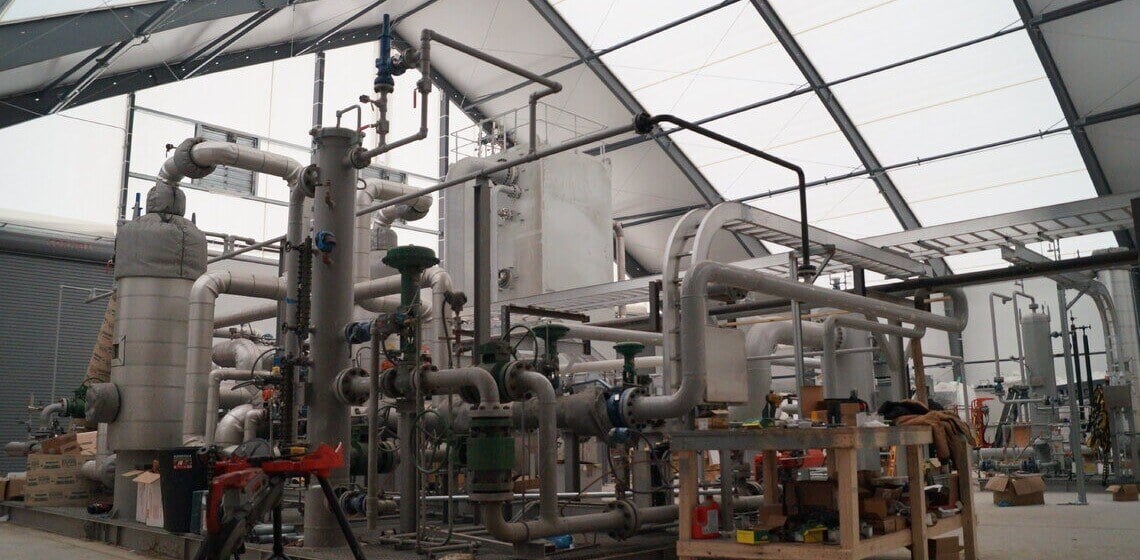
Additional Resources
FAQs
-
How much can daylighting reduce lighting costs?
In uninsulated buildings, translucent ExxoTec™ cladding can eliminate artificial lighting requirements during daylight hours entirely. Actual savings depend on building use, geographic location, and interior configuration.
-
Does natural light create glare inside the building?
No. ExxoTec™ cladding's 12% translucence creates diffused, uniform illumination without concentrated light streams that create glare. The envelope distributes natural light evenly throughout interior space. This applies to the uninsulated configuration only.
-
How does PVC cladding perform thermally compared to insulated metal buildings?
Legacy’s insulated buildings outperform comparable metal buildings in two ways: thermal resistance and air-leakage control.
On thermal resistance: Legacy achieves U-values from 0.033 to 0.023. Metal building construction creates thermal bridges where structural members penetrate insulation, reducing the effective R-value of the assembly.
On air leakage: verified testing shows Legacy’s insulated envelope is 157% more efficient than a comparable steel-framed building. This tighter envelope reduces HVAC runtime and energy demand.
-
Can passive ventilation handle industrial heat loads?
In uninsulated buildings, passive ventilation manages ambient heat and moisture but has limitations with high process heat loads. For operations generating significant internal heat, Legacy buildings accommodate powered ventilation or HVAC equipment.
Passive ventilation provides baseline air circulation without operational cost, reducing mechanical system runtime.
-
Do environmental features require special maintenance?
No. Environmental performance is inherent to material properties and passive systems:
- Daylighting (uninsulated only): ExxoTec™ cladding surface self-cleans in rain and snow, or with periodic pressure washing.
- Passive ventilation (uninsulated): No motors or filters. Eave and peak vents require periodic inspection to confirm they’re unobstructed.
- Thermal envelope (insulated): Insulation and liner material properties are permanent. No re-coating, no degradation to manage.
- Air-leakage performance (insulated): Maintained by the integrity of the ExxoTec™ Pro seam system. No periodic treatment required
Reduce Your Operational Costs
Our specialists can evaluate your specific requirements—operational hours, geographic location, interior layout—to quantify expected environmental performance benefits and operational cost reductions for your application.