Protecting Compost From the Elements with Fabric
Compost thrives in a controlled environment. Organic materials that are too dry or too wet will not break down, causing slower production and potentially a host of other problems.
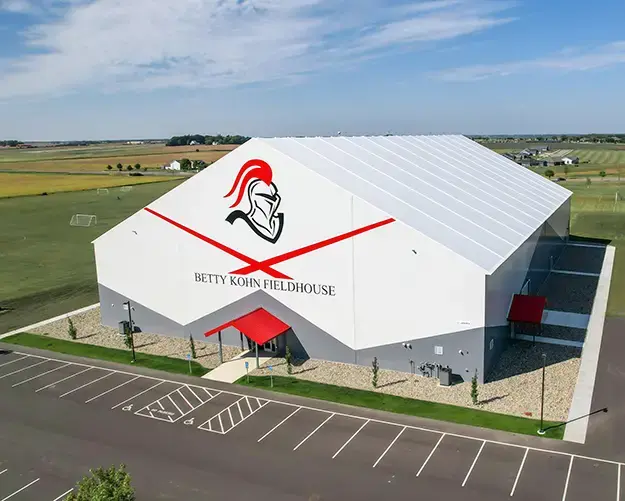
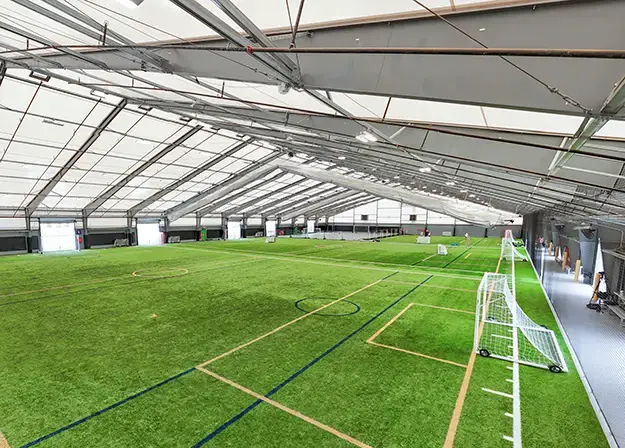
Open, enclosed, and insulated configurations for facilities across sports, agriculture, and general use.
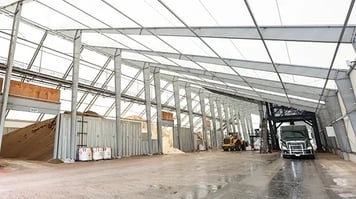
Purpose-built for industrial and corrosive environments where standard coatings and structures fall short.
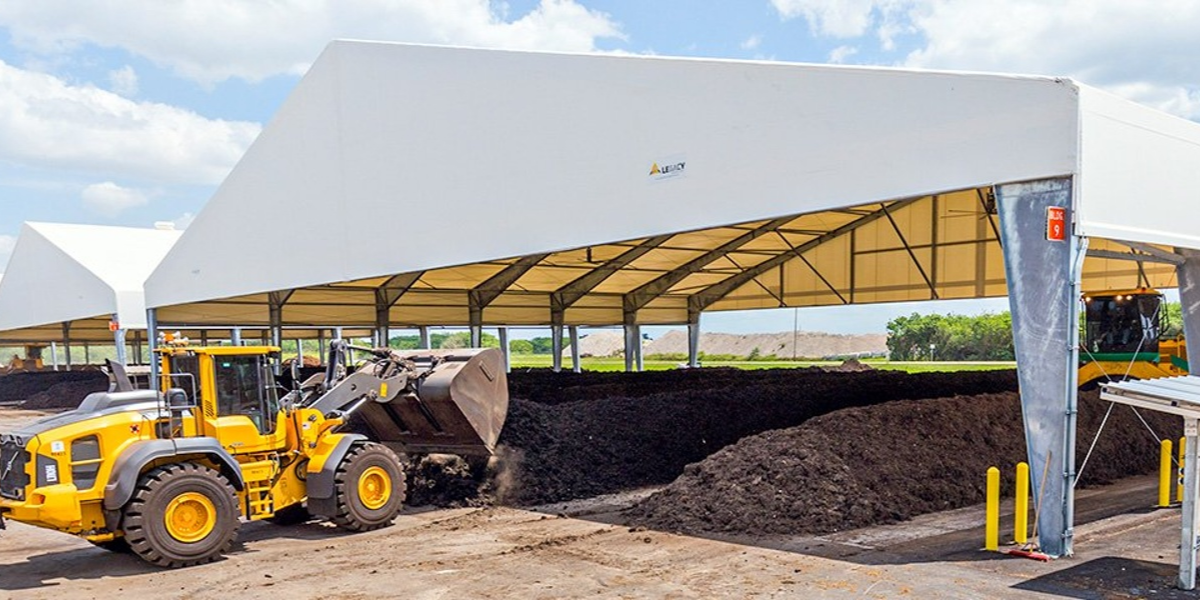
Compost thrives in a controlled environment. Organic materials that are too dry or too wet will not break down, causing slower production and potentially a host of other problems.
The sun’s rays are used to grow plants, and can even serve as a sustainable source of energy. But the ultraviolet (UV) rays from the sun can also cause damage. In addition to the well-documented...
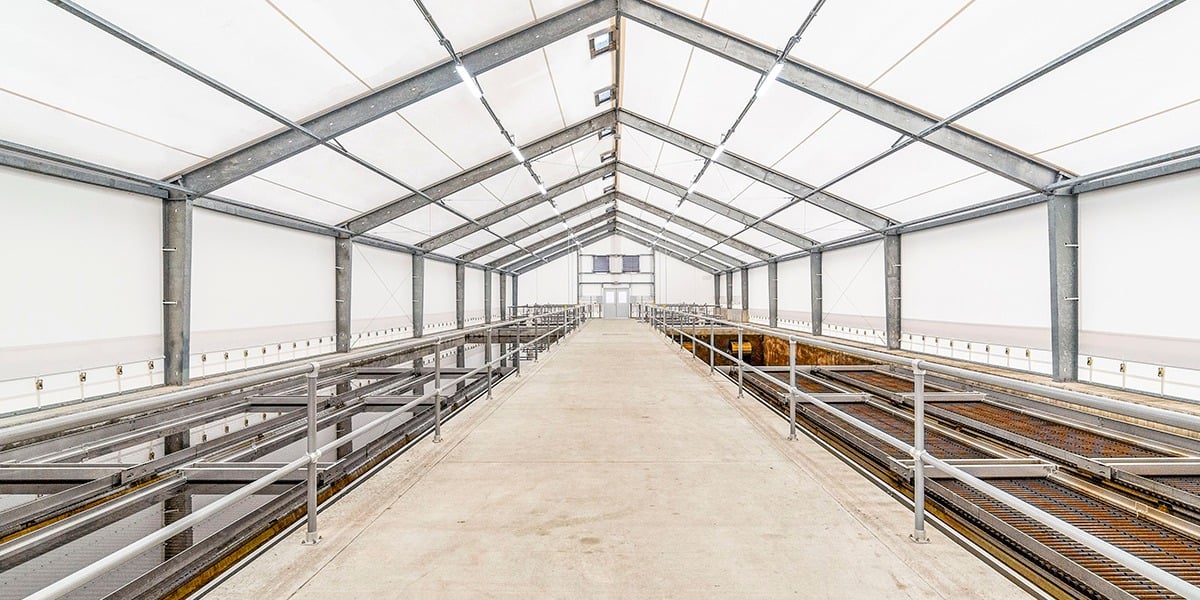
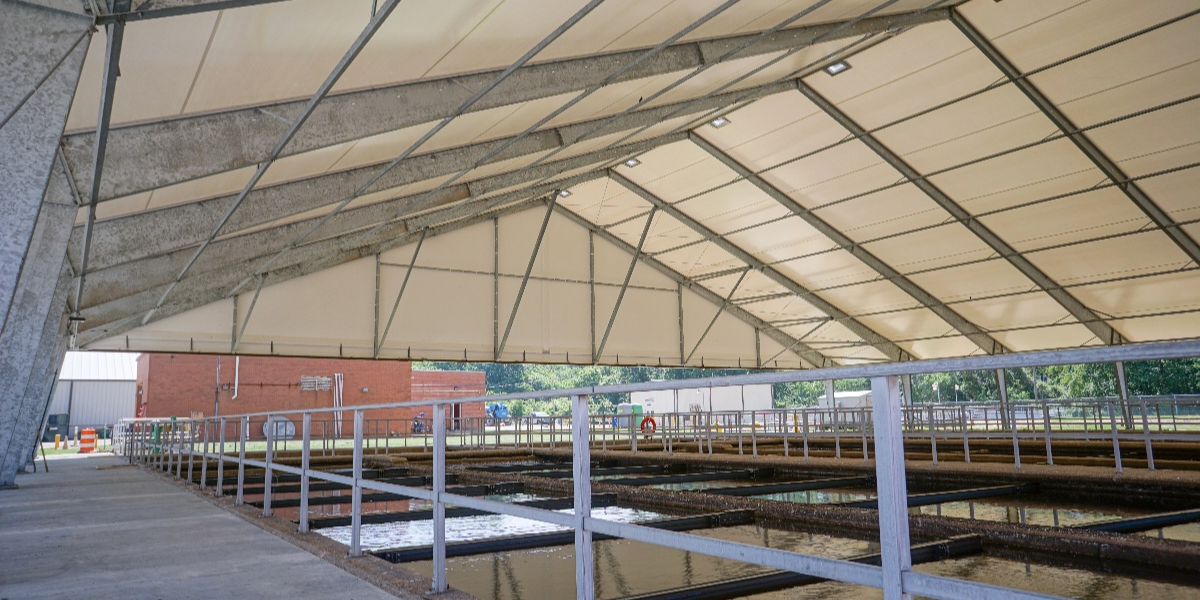
Wastewater treatment is essential for maintaining a high quality of life in any community. A treatment facility that minimizes maintenance while maximizing efficiency is vital. Fabric structures...
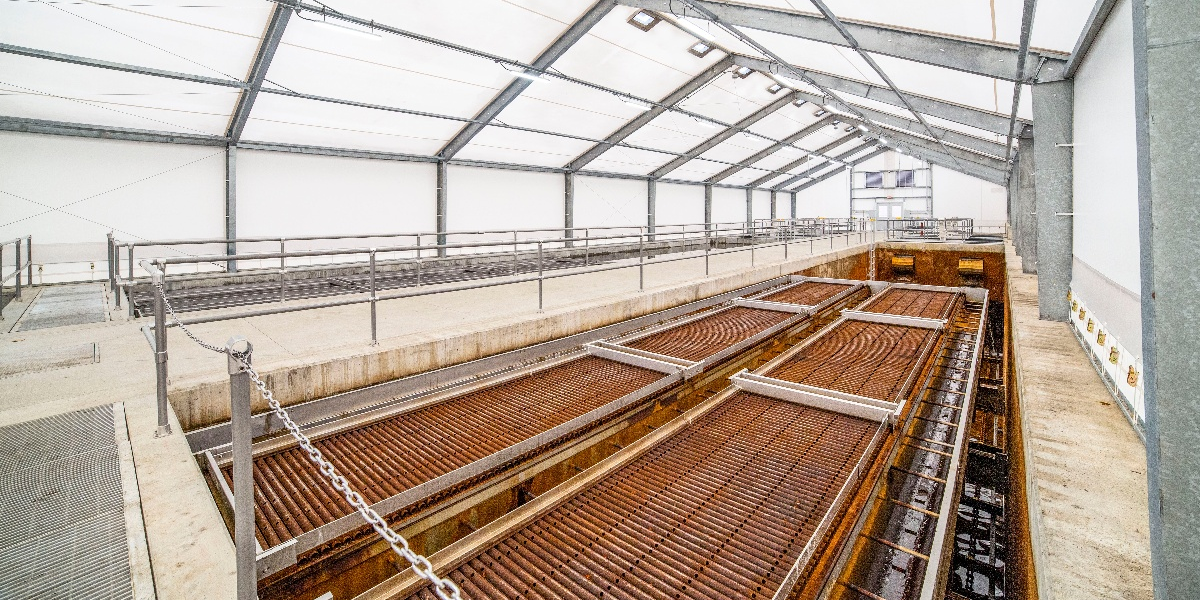
While recycling and waste processing facilities (WPF) are a necessary aspect of modern life – after all, most people don’t want to deal with garbage after it’s brought to the curb — there is one main...
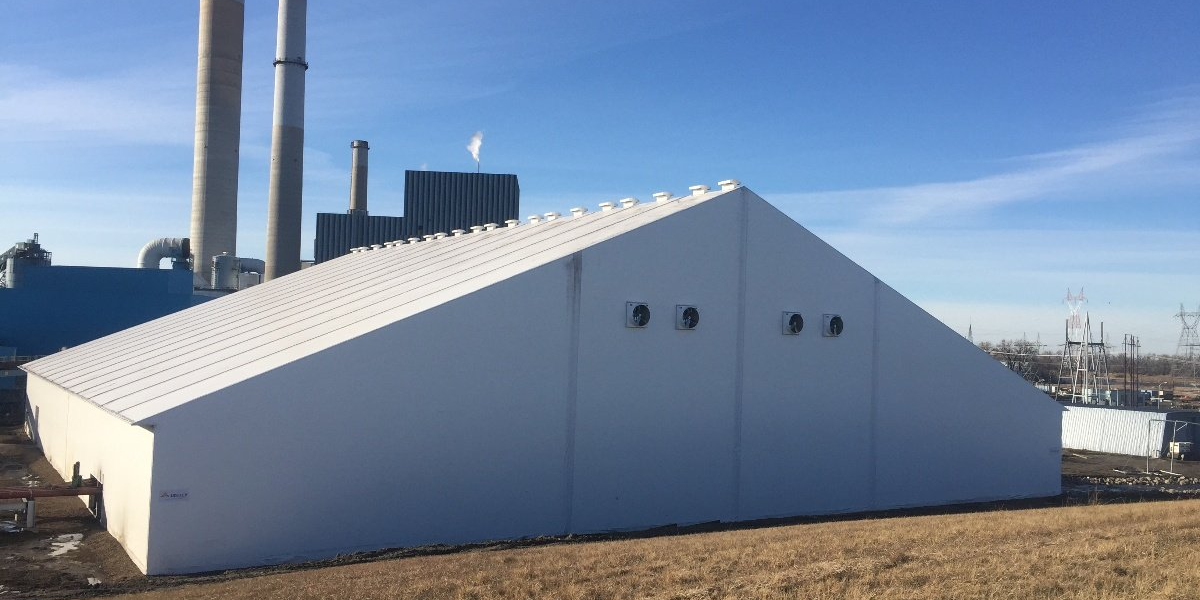
Fabric structures have a long history in waste and recycling processing. With the growing need for environmental and nuclear remediation, fabric buildings are quickly becoming popular remediation...
Hybrid fabric-steel structure from Legacy is a multi-purpose facility for waste and recycling and other industrial uses.
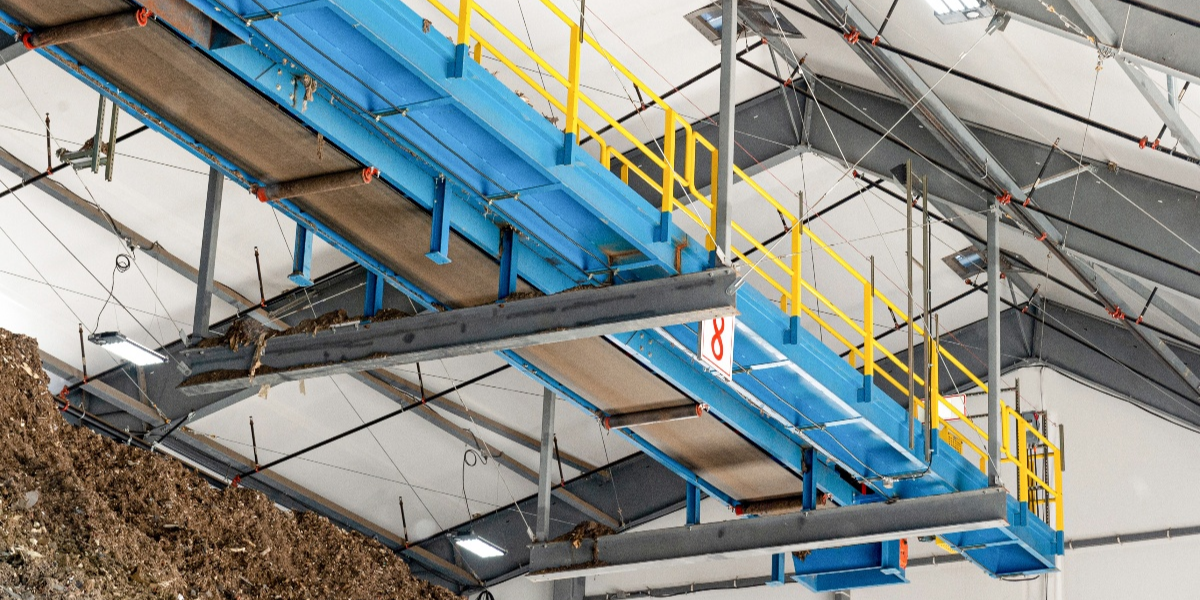
Tension fabric structures can be used as waste transfer stations, recycling sorting facilities, and storage buildings. Fabric buildings are versatile enough to be used as any type of waste management...