IAS AC472 Accreditation | Legacy Building Solutions
When selecting a building manufacturer, it's easy to compare building sizes, pricing, and features. But some of the most important differences happen...
Open, enclosed, and insulated configurations for facilities across sports, agriculture, and general use.
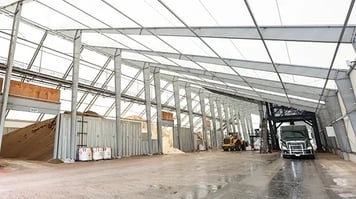
Purpose-built for industrial and corrosive environments where standard coatings and structures fall short.
2 min read
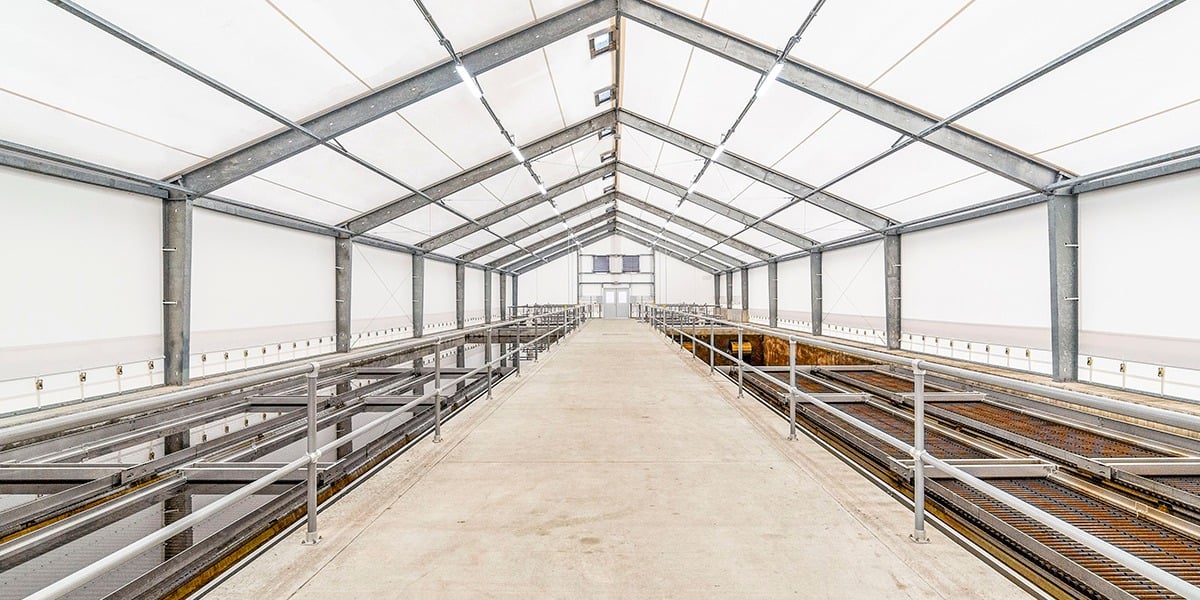
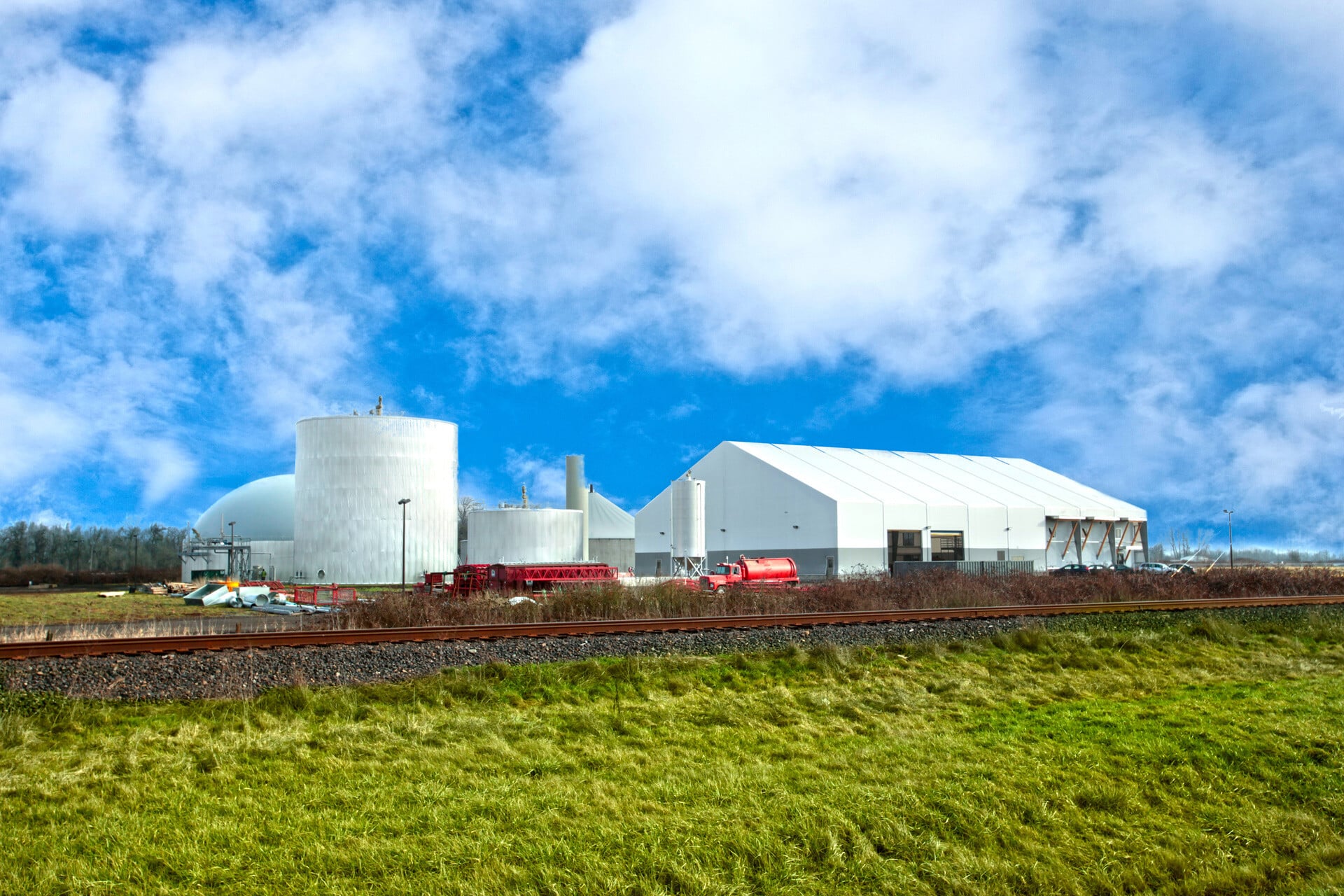
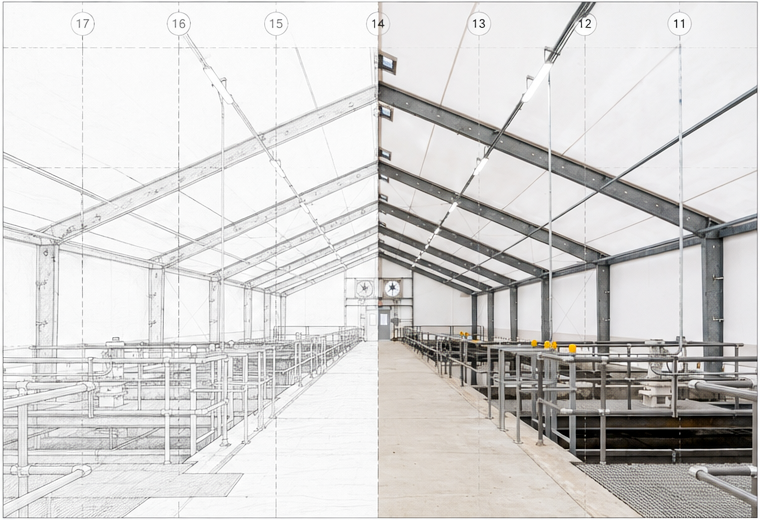
Wastewater treatment is essential for maintaining a high quality of life in any community. A treatment facility that minimizes maintenance while maximizing efficiency is vital. Fabric structures offer several distinct advantages for wastewater treatment plants, including durability, efficiency, and cost savings. Here are the top four benefits of Legacy fabric buildings for wastewater treatment plants:
Wastewater treatment plants are always exposed to moisture and harsh chemicals. These conditions can corrode materials like steel. This corrosion leads to frequent maintenance and expensive replacements.
Fabric structures offer a unique, climate-responsive building envelope that naturally reduces condensation.
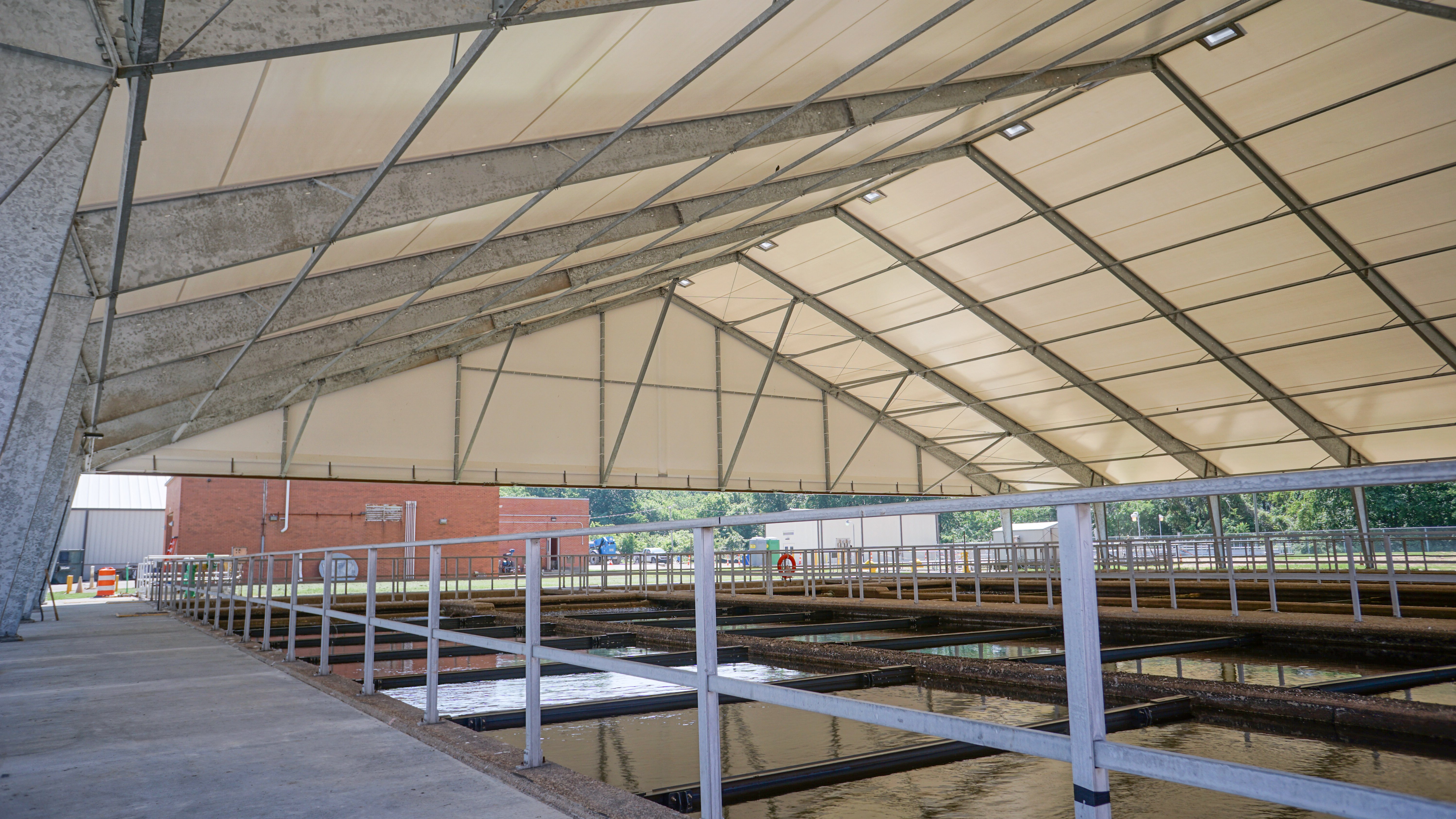
Wastewater treatment plants must integrate seamlessly into their community and operations. Legacy structures are designed with flexibility to meet these needs.
Legacy buildings deliver long-term savings through reduced maintenance and operational costs.
Legacy Building Solutions creates fabric structures for wastewater treatment plants. These structures tackle unique challenges while providing great durability, efficiency, and cost savings.
Contact us today to learn how a Legacy building can improve your wastewater treatment operations!
When selecting a building manufacturer, it's easy to compare building sizes, pricing, and features. But some of the most important differences happen...
As specialty building systems gain traction across municipal, industrial, aviation, and recreational markets, more general contractors are managing...
The future of industrial construction is entering a new era, with the future defined by speed, flexibility, and smarter choices. Looking ahead in...