How Independent Testing Validates the Performance of Legacy PVC-Clad Buildings
When evaluating a building envelope, performance should be measured, not assumed. Independent testing provides building owners with measurable data...
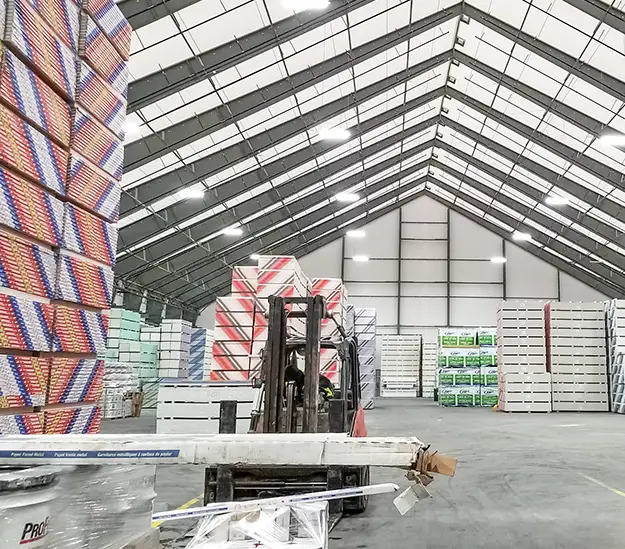
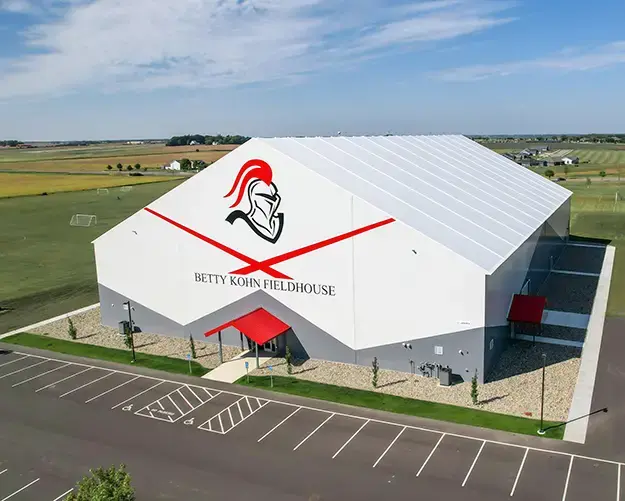
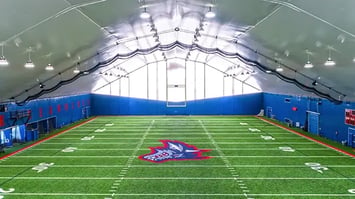
Open, enclosed, and insulated configurations for facilities across sports, agriculture, and general use.
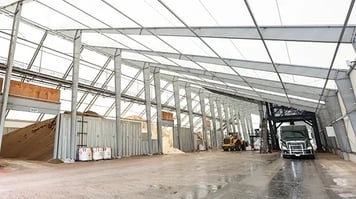
Purpose-built for industrial and corrosive environments where standard coatings and structures fall short.
4 min read
The future of industrial construction is entering a new era, with the future defined by speed, flexibility, and smarter choices. Looking ahead in 2026, material prices may ease if supply chains stabilize and interest rates normalize, but most analysts expect only modest declines rather than a sharp drop. These pressures and forecasts are reshaping how owners plan and build.
Across industries including manufacturing, bulk storage, transportation, aviation, public works, mining, and agriculture, facility owners are facing growing pressure to build smarter, operate more efficiently, and prepare for long-term operational change through smarter facility design and flexible building systems.
At the same time, labor shortages, supply chain disruptions, rising material costs, and shifting operational demands are forcing organizations to rethink how industrial facilities are designed and constructed, reshaping industrial infrastructure along the way. While geopolitical tariffs can raise certain material costs and have at times pressured new construction budgets, diversified sourcing and design efficiency help mitigate those effects.
The result is a growing shift toward adaptable industrial building systems that prioritize speed, flexibility, efficiency, and long-term adaptability—key traits of future-proofing industrial infrastructure.
Legacy Building Solutions combines rigid steel frames with PVC cladding to create industrial building systems engineered for modern industrial operations. These PVC-covered steel framed buildings help organizations meet evolving demands for durability, efficiency, and long-term performance.
Industrial buildings are no longer viewed as static structures designed for a single operational purpose. They are expected to be adaptable industrial building systems that can evolve with demand and support building for the future of industrial operations.
Today’s facilities are expected to support:
Changing operational workflows
Equipment upgrades
Expansion opportunities
Workforce efficiency
Energy-conscious operations
Faster project delivery
Long-term infrastructure performance
As operations evolve, organizations need systems that grow with changing business needs. This shift is influencing how industrial infrastructure is planned, designed, and constructed—building for the future of industrial operations and improving overall safety in trades historically at higher risk, such as roofing and ironwork.
Modern industrial operations move quickly. Facilities must support efficiency, productivity, and operational continuity while minimizing downtime and maintenance challenges through smarter facility design.
Building systems that improve operational flow are increasingly valuable for industries managing:
Heavy equipment
Bulk material handling
Transportation fleets
Manufacturing processes
Municipal operations
Aviation and maintenance activities
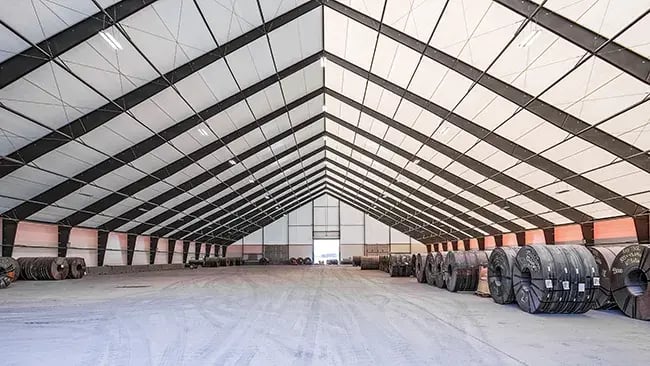
Clear span interiors, customizable layouts, large access openings, and integrated equipment accommodations allow organizations to optimize layouts around operational needs rather than structural limitations—especially with clear span hybrid buildings. These features are core to modern industrial buildings that improve efficiency through streamlined circulation, faster throughput, and better integration of automation using flexible building systems.
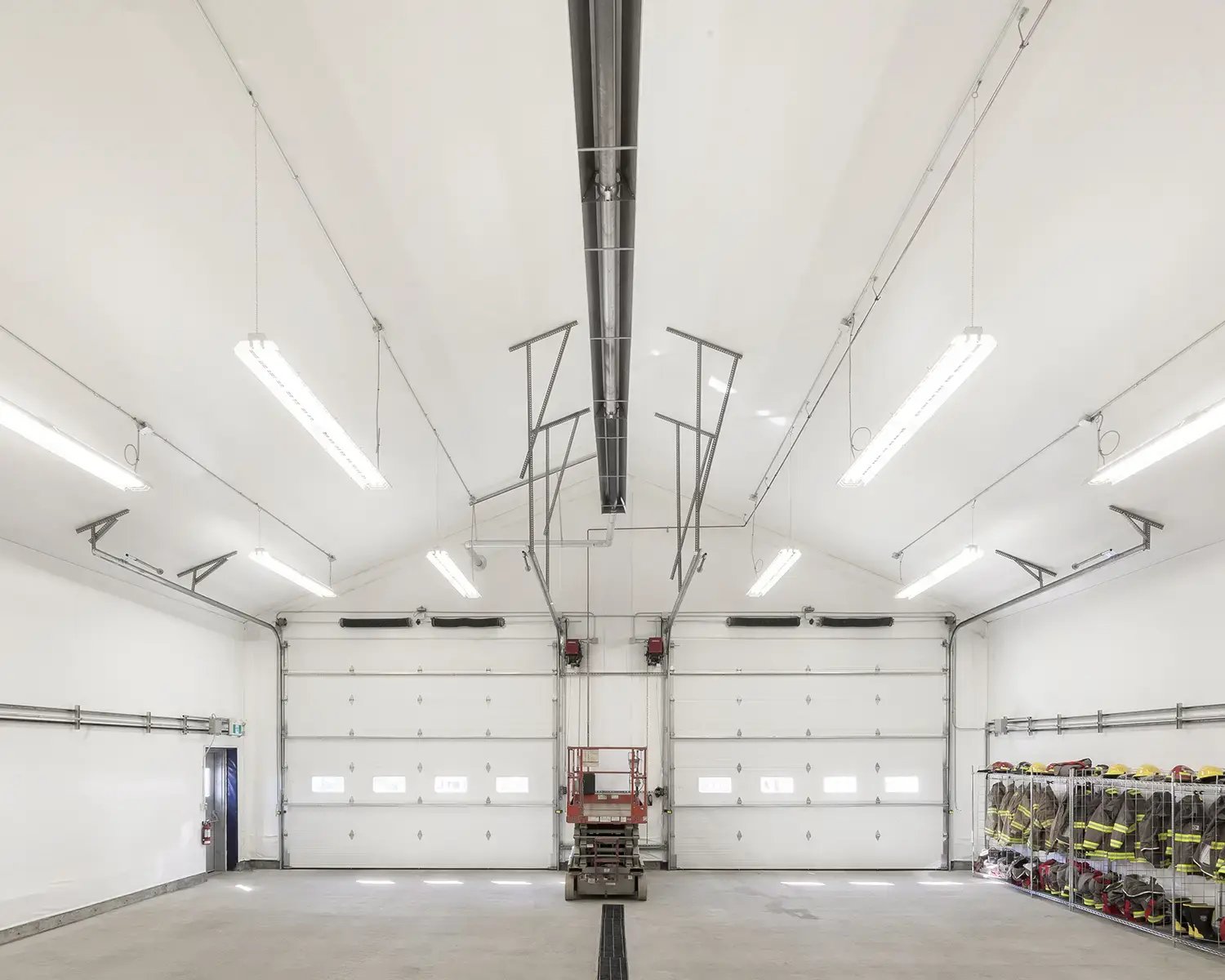
Many industries are modernizing aging infrastructure that no longer aligns with current operational expectations. Older facilities often present challenges such as:
Limited flexibility
Poor lighting conditions
High maintenance costs
Inefficient layouts
Difficult expansion limitations
Increased operational inefficiencies
As organizations invest in modernization, they prioritize solutions supporting current performance and future scalability, including PVC clad steel buildings. This is why companies are rethinking industrial infrastructure: shifting demand, automation, electrification, and sustainability goals require buildings that can adapt.
Hybrid industrial buildings offer an alternative by combining engineered steel framing with PVC cladding to create durable, adaptable, and efficient clear span buildings designed for long-term use. These are examples of future-proofing industrial infrastructure—engineered for reconfiguration, expansion, and new technologies that are reshaping industrial infrastructure.
Efficiency has become a central priority in the future of industrial construction and operations. Organizations are looking for building systems that can help improve:
Construction timelines
Operational workflows
Interior visibility
Energy usage
Maintenance requirements
Lifecycle performance
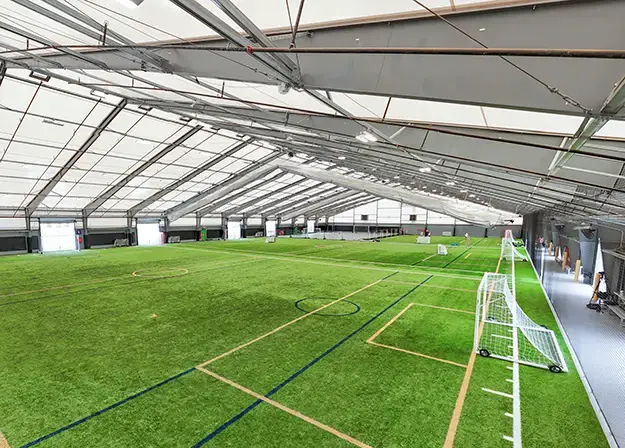
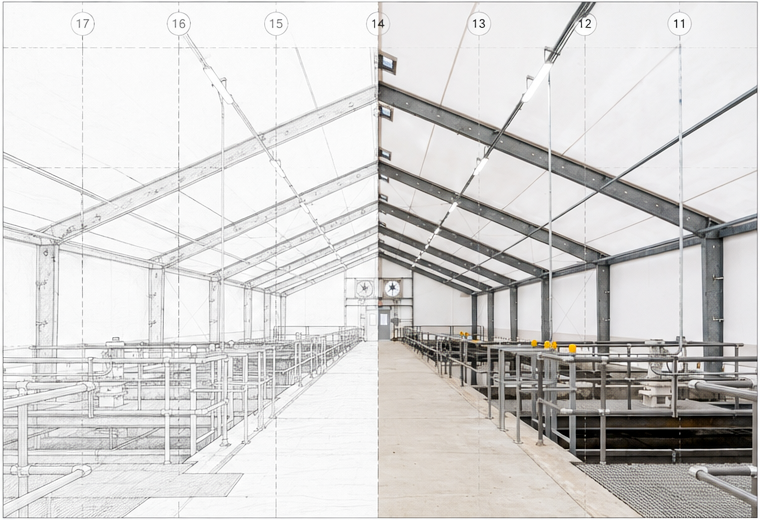
One distinguishing advantage of PVC-clad building systems is the ability to introduce abundant natural daylight into interior spaces. PVC cladding can allow daylight throughout the facility, reducing dependence on artificial lighting and creating brighter work environments aligned with smarter facility design.
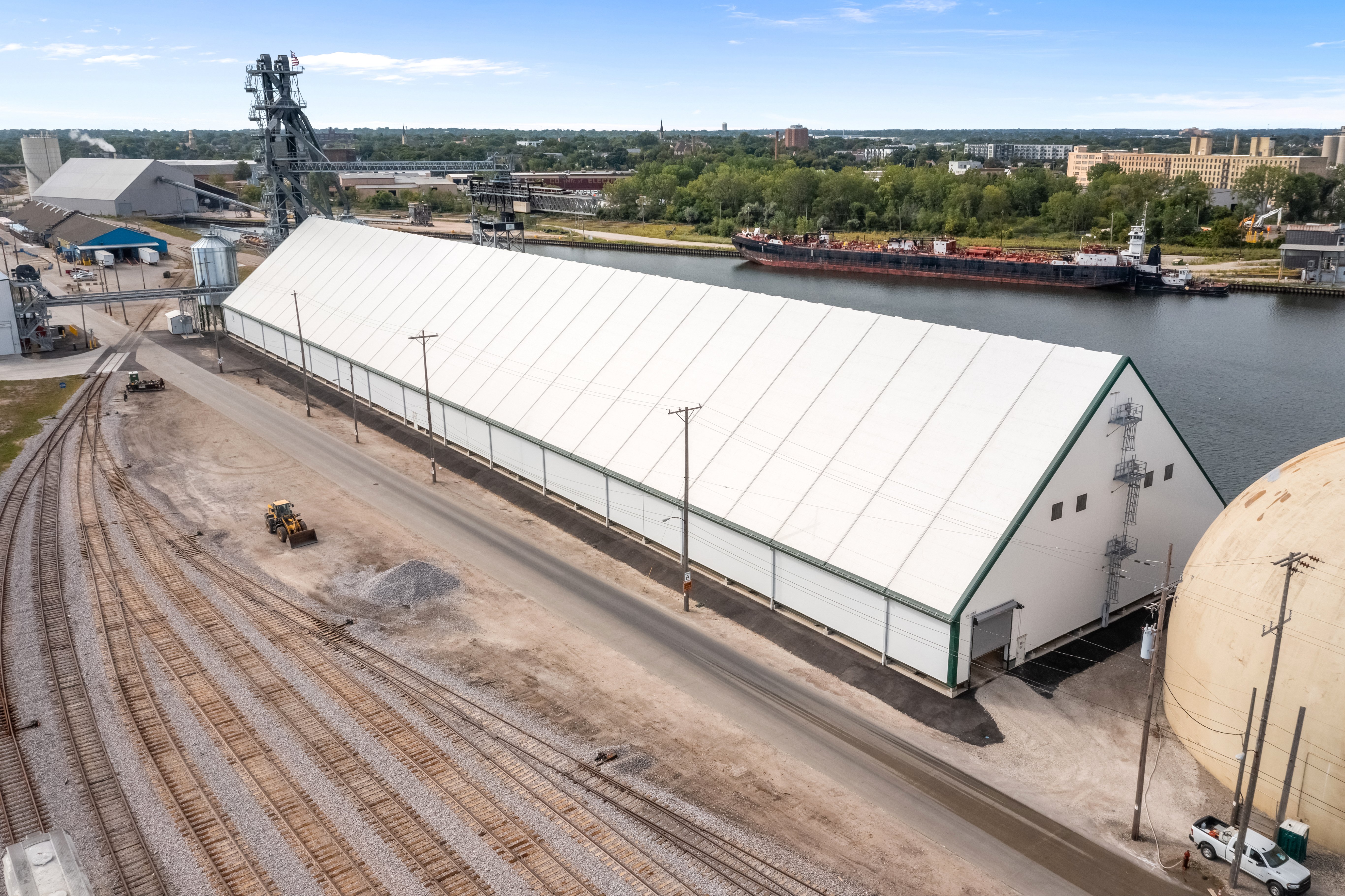
Industrial operations rarely remain unchanged over a building’s lifespan. Facilities often need to accommodate new equipment, increased storage, process changes, and growth initiatives—making adaptability essential to future-proofing industrial infrastructure. Future-ready industrial infrastructure looks modular, clear span, and technology-ready, with integrated utilities, craneways, and material handling paths.
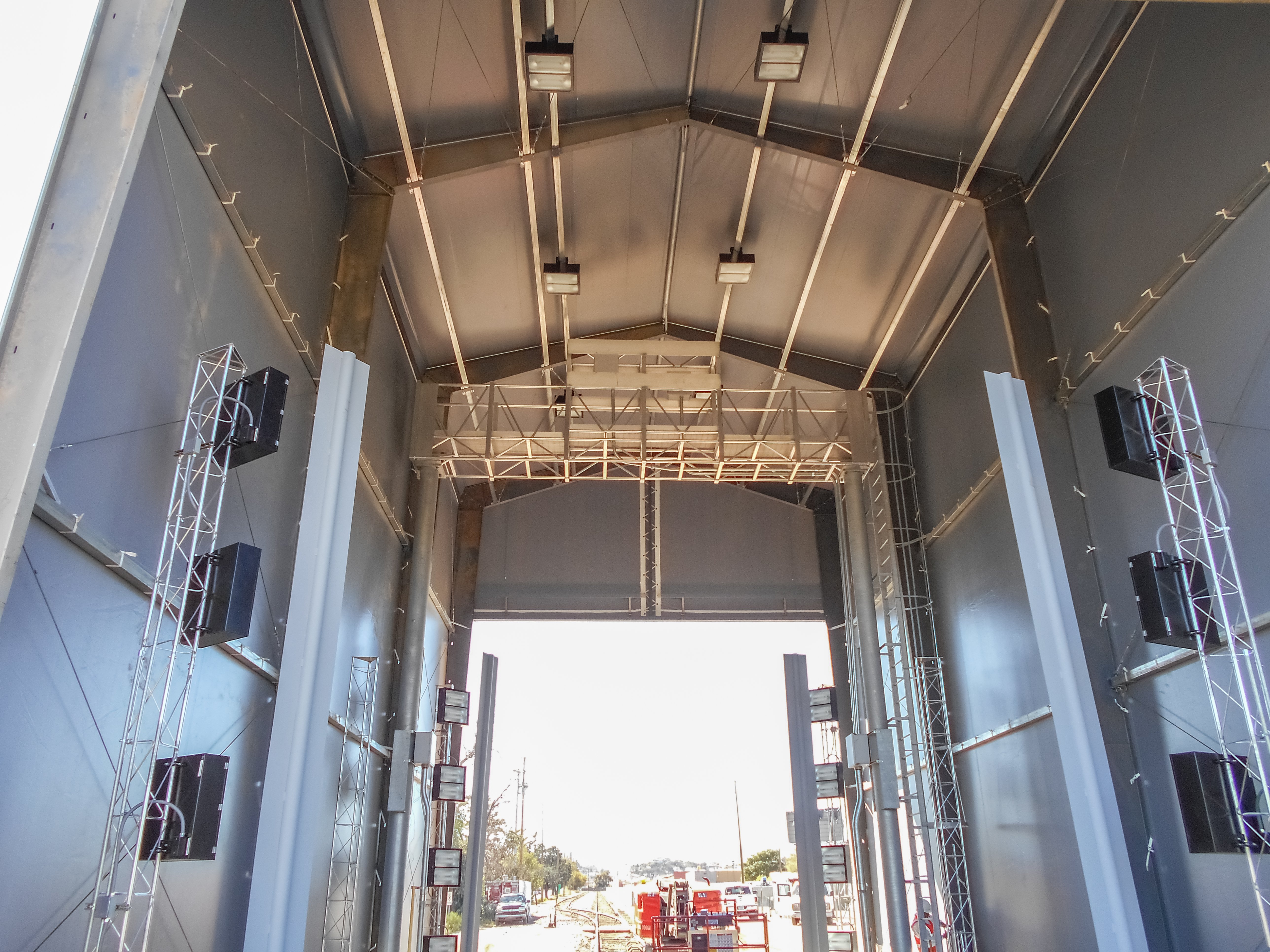
Legacy Building Solutions’ innovative industrial building systems can be customized for wide clear spans, large equipment access, crane systems, conveyor integration, lean-tos, expansions, and specialized layouts. This adaptability enables building for the future of industrial operations and supports evolving workforce trends.
Innovative building approaches are increasingly utilized where corrosion resistance, structural performance, and operational adaptability are critical—supporting the future of industrial construction as facilities integrate automation, low-carbon materials, and resilient exterior envelopes with adaptable industrial building systems.
The future is not simply about building bigger facilities—it is about building smarter ones with flexible building systems that can evolve. Why are industrial buildings evolving? Because speed-to-market, sustainability, safety, and technology integration demand it. What does the future look like? Adaptable, efficient, and resilient buildings that reduce risk and total cost of ownership while improving productivity.
As industrial operations continue evolving, hybrid industrial building systems—especially PVC-clad rigid frame buildings and clear span buildings—support modernization and long-term performance. The future of industrial construction depends on adaptable industrial building systems that are reshaping industrial infrastructure through smarter facility design.
Learn more about how Legacy Building Solutions is reshaping industrial infrastructure with adaptable systems engineered for smarter facility design and building for the future of industrial operations.
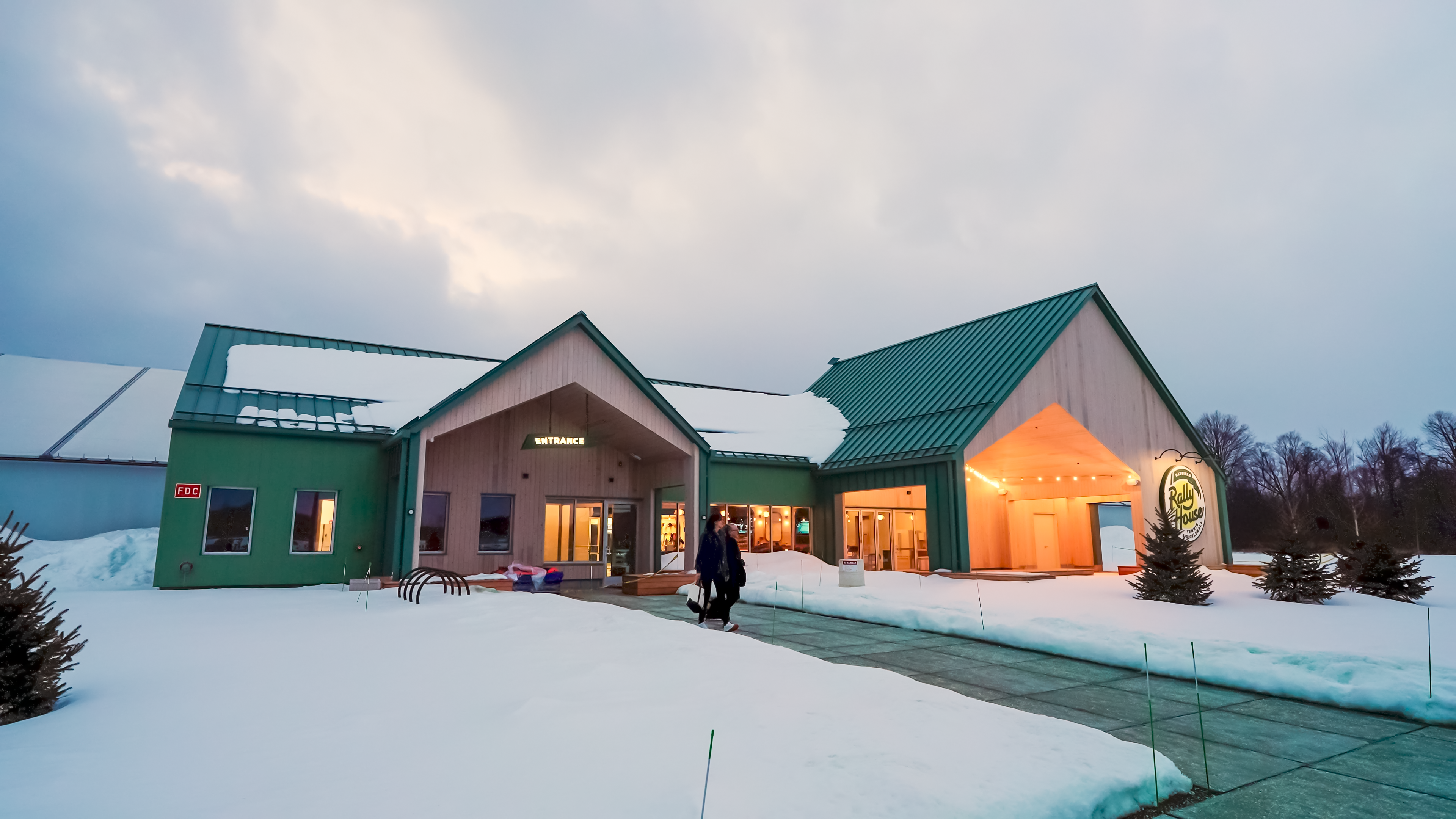
When evaluating a building envelope, performance should be measured, not assumed. Independent testing provides building owners with measurable data...
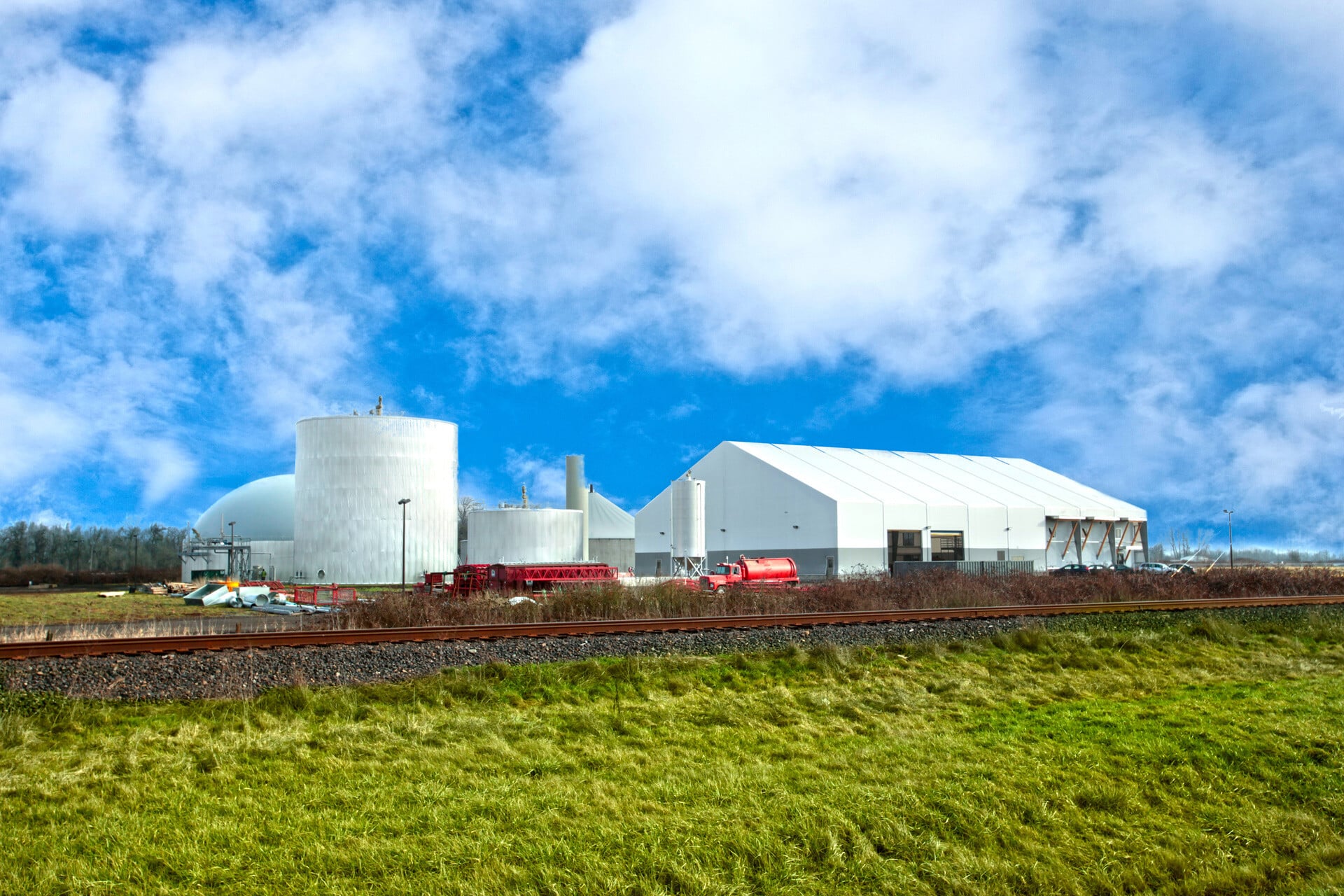
When selecting a building manufacturer, it's easy to compare building sizes, pricing, and features. But some of the most important differences happen...
As specialty building systems gain traction across municipal, industrial, aviation, and recreational markets, more general contractors are managing...