IAS AC472 Accreditation | Legacy Building Solutions
When selecting a building manufacturer, it's easy to compare building sizes, pricing, and features. But some of the most important differences happen...
Building configurations organized by industry, use case, and site conditions.

See how Legacy buildings perform with durability, space, environment, and design.
Environmental PerformanceDocumentation and resources for architects, contractors, engineers,
and project owners.

Technical guides, case studies, and industry analysis for every project stage.
Projects
Legacy designs, manufactures, and installs
complete building systems under one contract.

1 min read
LegacyBuildingAdmin9036 Updated on November 19, 2024
Engineering.com recently published an article reviewing several facts about fabric structures.
The concept of lightweight yet strong structures using membranes stretched over a framework isn’t new. For millennia, yurts and teepees were built this way.
The same principles that made those structures successful have a modern expression in engineered fabric buildings.
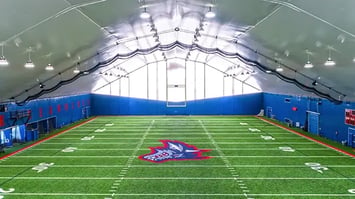
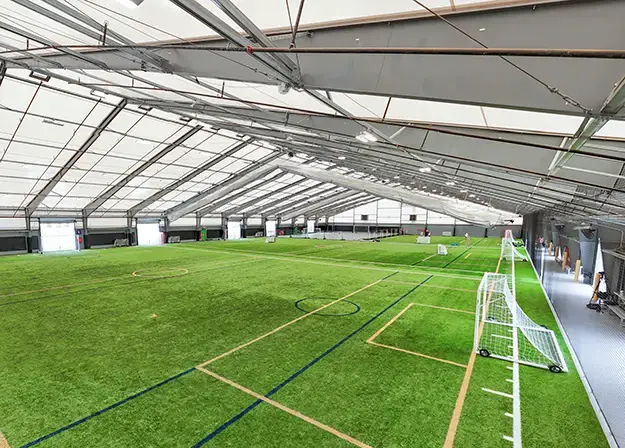
Today’s engineered fabric buildings reliably house industrial projects, athletic facilities, and entertainment centers, and offer a number of unique advantages over conventional steel and concrete buildings for both temporary and permanent installations.
Below are the top five facts you need to know about what makes fabric buildings superior to steel and concrete buildings.
To house industrial equipment, aerospace projects, mining operations and more, customization is key.
Fabric buildings can be constructed to meet diverse dimensions, including varying roof pitches and peak heights. They can even be uniquely shaped for odd-sized lots.
Legacy Building Solutions, a supplier of engineered fabric buildings, takes pride in their ability to deliver uniquely customized buildings.
“We’re not a building-in-a-box kind of supplier,” said Dwayne Moench, senior structural engineer at Legacy.
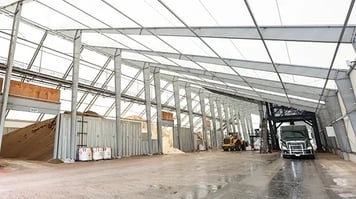
“The IEI Barge project in northwestern Illinois,” Moench explained, “is an excellent example of a building with diverse dimensions to accommodate lean-tos, a conveyor, an offset peak, varying column-heights and geographical fit along the edges of a river. Highly customized buildings like that aren’t very challenging for us, it’s our strength.”
Some fabric buildings have been developed with widths of over 300 feet and lengths of 1000 feet. Like with the IEI Barge structures developed by Legacy, rigid steel frames can be customized to include offset peaks, varying column heights, canopies, lean-tos and mono-slope roofs.
When selecting a building manufacturer, it's easy to compare building sizes, pricing, and features. But some of the most important differences happen...
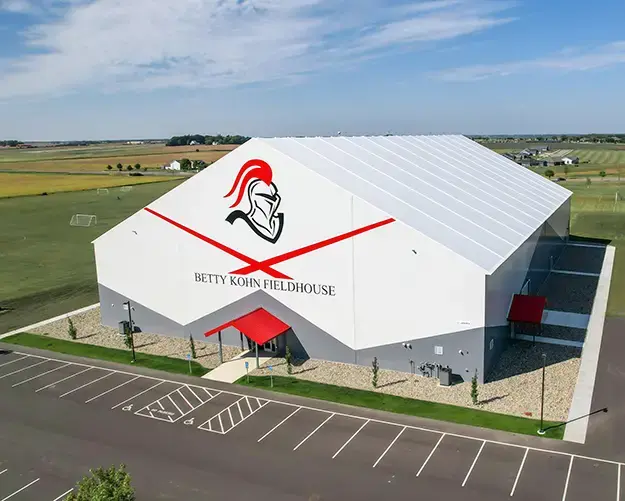
As specialty building systems gain traction across municipal, industrial, aviation, and recreational markets, more general contractors are managing...
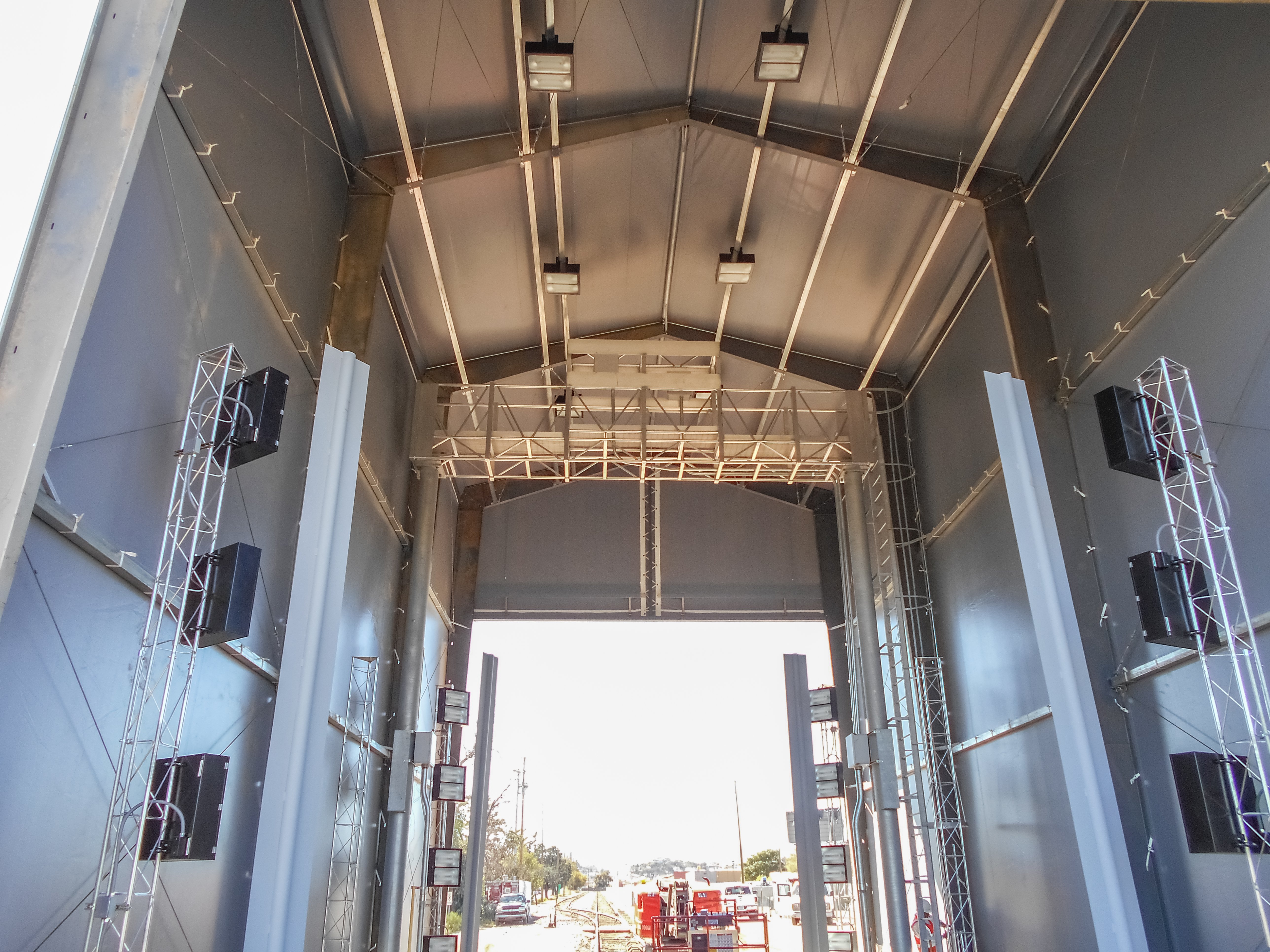
The future of industrial construction is entering a new era, with the future defined by speed, flexibility, and smarter choices. Looking ahead in...