Engineered Building Systems for Nuclear, Oil, Gas and Power Operations
Energy infrastructure is evolving. From traditional oil and gas operations to renewables, chemical processing and a renewed focus on nuclear power...
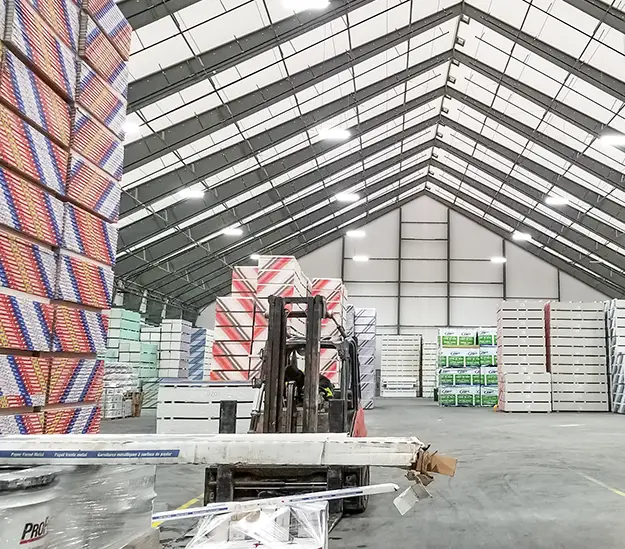
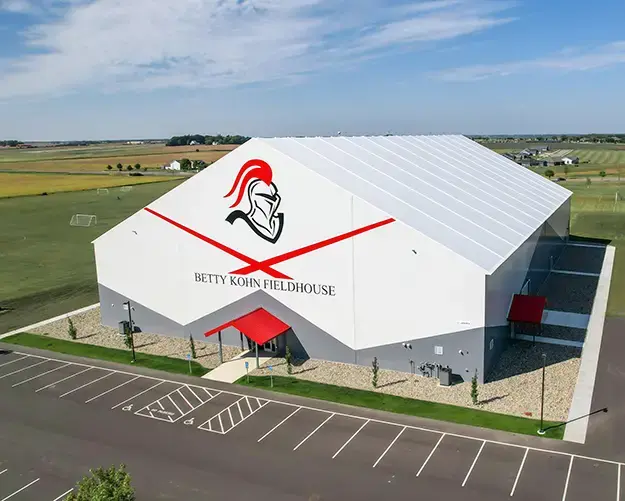
Open, enclosed, and insulated configurations for facilities across sports, agriculture, and general use.
Purpose-built for industrial and corrosive environments where standard coatings and structures fall short.
1 min read
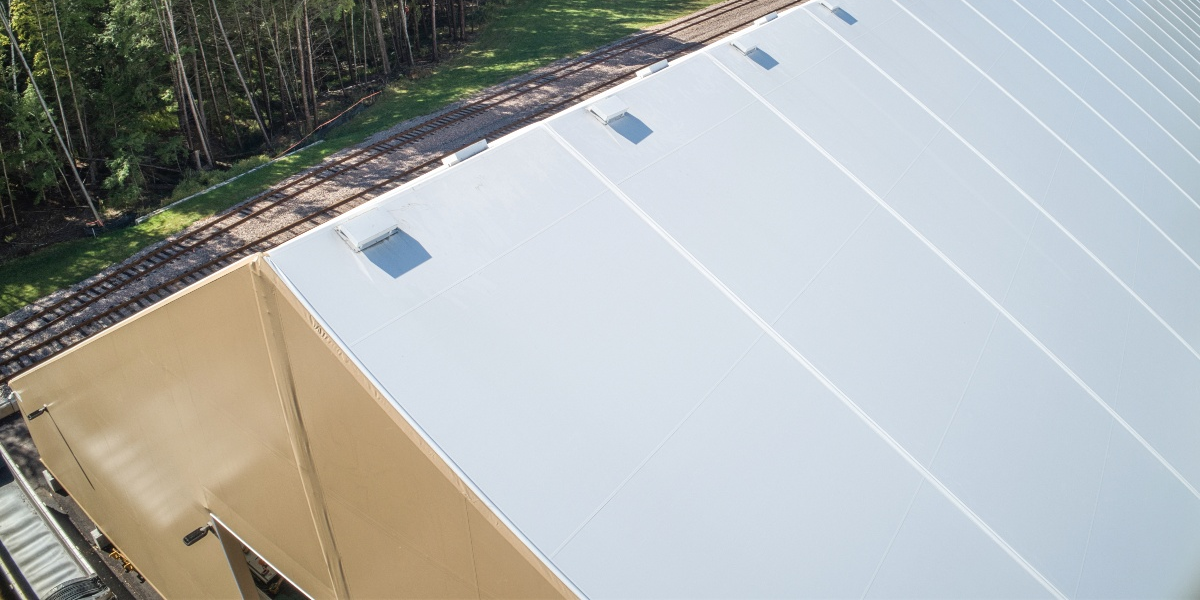
The selection of roofing materials fundamentally impacts a structure's performance, sustainability, and long-term value. In commercial building design, architectural fabric membrane systems offer compelling advantages that align with both aesthetic vision and practical requirements.
Corroded roofs are unsafe and expensive to repair, and even a small amount of corrosion can let moisture drip into the building, causing more rust and possibly ruining the building’s interior.
Fabric cladding's inherent corrosion resistance sets it apart in sustainable building design. Unlike traditional materials, these membranes maintain their structural integrity even in challenging environments, including:
No matter the exposure, a fabric roof will never rust. This durability reduces common issues associated with metal roofing, like moisture infiltration, higher maintenance needs, and interior damage risks.
The high albedo properties of fabric roofing systems contribute significantly to energy efficiency:
While fabric buildings come in many colors to enhance your commercial structure design, white fabric roofs offer substantial benefits:
White roofs also mitigate "heat islands" caused when many buildings are clustered together, creating a more comfortable environment around the buildings.
Whatever the side wall and end wall configuration of your building, the roof is an additional asset with its own benefits. Adding a fabric roof to your building is likely to save money and energy in the future.

Energy infrastructure is evolving. From traditional oil and gas operations to renewables, chemical processing and a renewed focus on nuclear power...
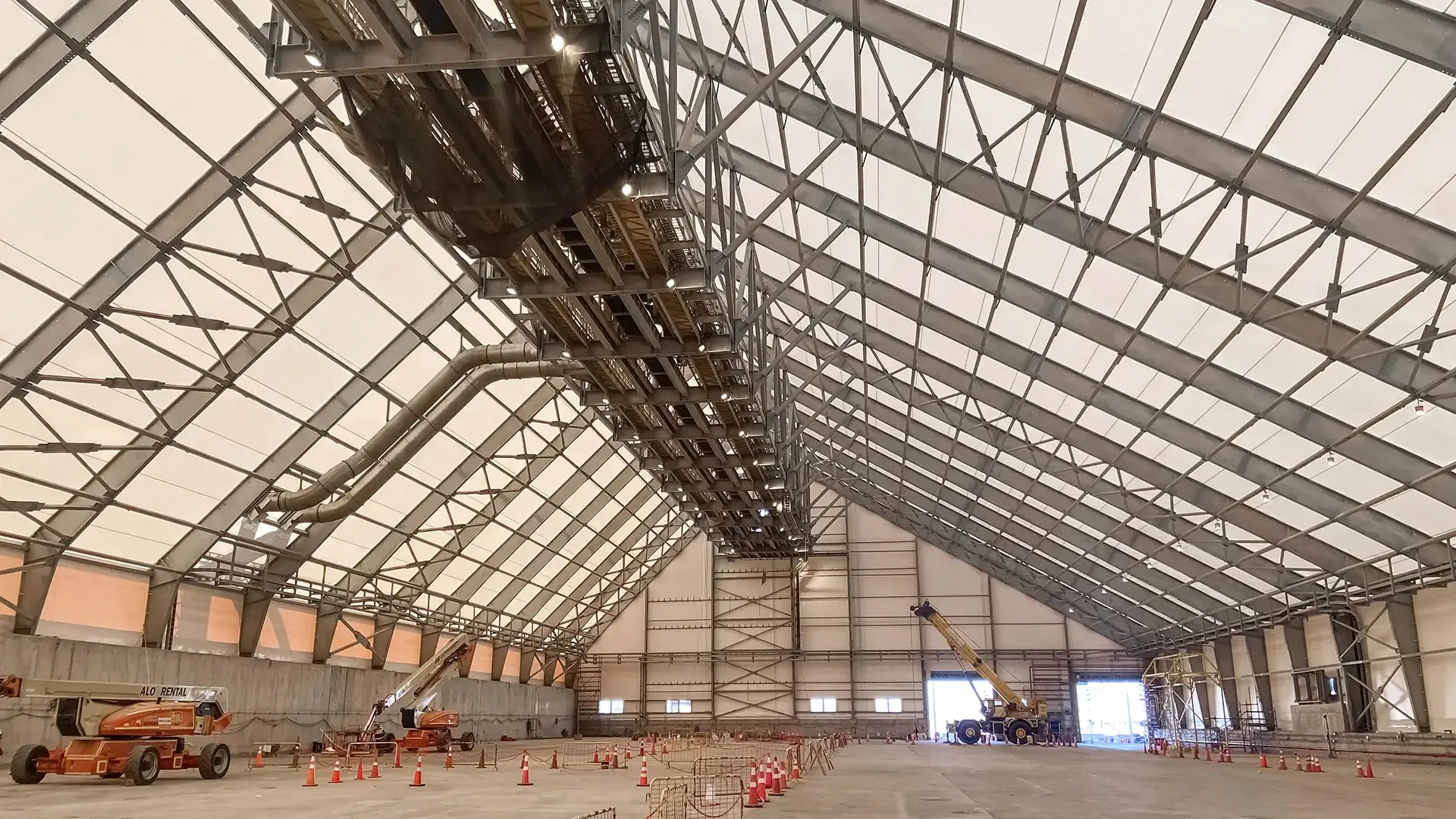
Mining operations put buildings through conditions few other industries experience. Corrosive minerals, abrasive dust, heavy equipment, severe...
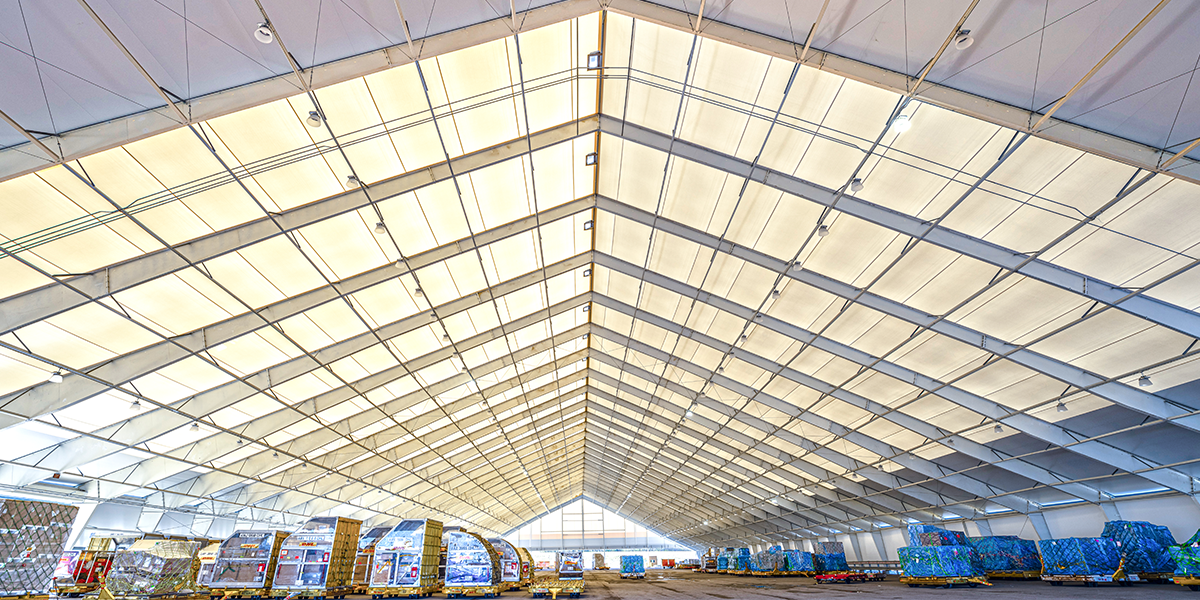
Hangar buildings are more than places to park airplanes. For airports, fixed-base operators (FBOs), maintenance, repair and overhaul (MRO) providers,...