IAS AC472 Accreditation | Legacy Building Solutions
When selecting a building manufacturer, it's easy to compare building sizes, pricing, and features. But some of the most important differences happen...
Open, enclosed, and insulated configurations for facilities across sports, agriculture, and general use.
Purpose-built for industrial and corrosive environments where standard coatings and structures fall short.
3 min read
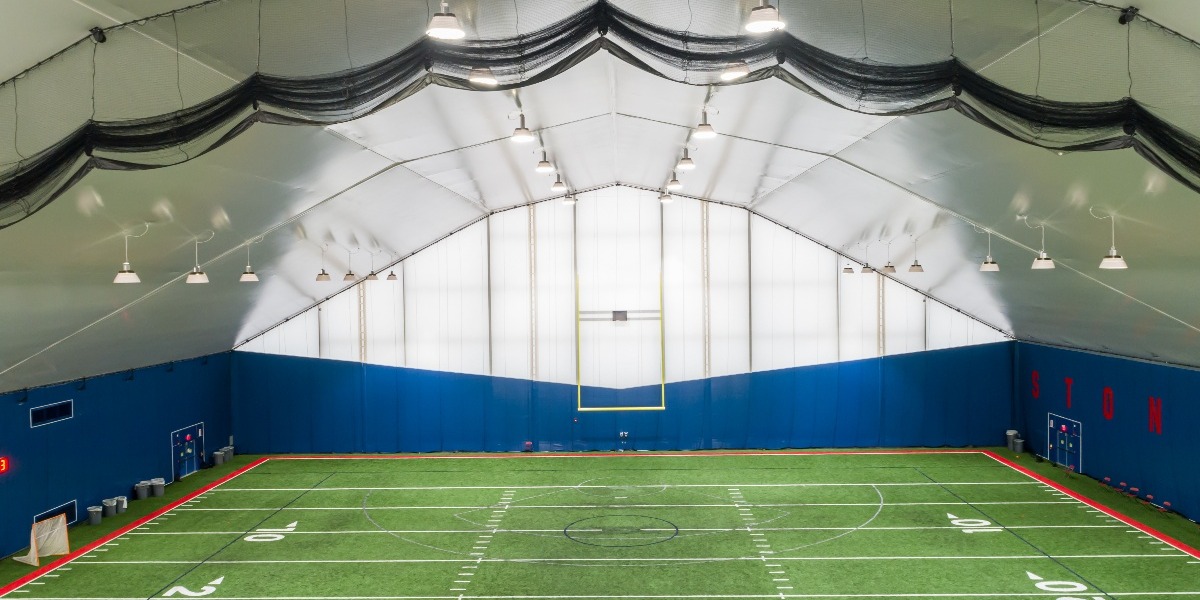
When considering a fabric building, one of the most common questions is, “How much does it cost?” More specifically, many buyers ask, “How much does a fabric building cost, and what goes into that number?” Understanding the full fabric building cost – including both initial price and long-term value – is essential for planning your project.
At Legacy, we specialize in fully customized buildings, so the answer isn’t straightforward. The tension fabric building cost depends on various factors, each contributing to the unique nature of your project. Because no two projects are exactly alike, the tension fabric structures cost can vary widely even among buildings with similar footprints.
There are three primary factors that vary from project to project and have the greatest impact on the final fabric building cost:
While comparison shopping for fabric buildings might seem appealing, the wide variability among them makes it difficult to draw definitive conclusions. Instead of focusing on a generic number, it’s more useful to ask, “How much does a fabric building cost for my exact use case?” and then evaluate the features you actually need. Some examples of features that impact the costs of a Legacy building include:
To evaluate your building’s financial impact, consider analyzing life cycle costs, not just the initial fabric building cost. Life cycle cost analysis is “the selection of alternatives that impact both pending and future costs. It compares initial investment options and identifies the least cost alternatives for a twenty-year period.”
Factor several life cycle savings into your calculations. For example, our buildings come with warranties on the fabric, corrosion protection, and installation, helping them last for decades. These benefits can offset a higher upfront tension fabric building cost by reducing repair and replacement expenses over time.
Additionally, these buildings are virtually maintenance-free. Legacy’s patented tensioning system helps our fabric exterior remain taut and secure throughout the building’s life. Unlike other structures that require frequent re-tensioning, our system maintains its integrity without additional maintenance. This innovation reduces long-term costs and enhances the building’s aesthetic and structural stability, improving the overall value relative to the initial tension fabric structures cost.
With warranties and minimal maintenance, you can quickly see the benefits of a Legacy building. While your building might cost more upfront, you’ll see a better return on investment (ROI) when you consider how much does a fabric building cost over its entire life cycle rather than just at purchase.
The complexity of custom fabric buildings requires professional guidance. Our industry experts can help you navigate options and features tailored to your needs, ensuring you make an informed investment. To get a clear picture of your specific fabric building cost and a detailed breakdown of the tension fabric building cost for your project, contact us to discuss your project in detail and receive a quote.
When selecting a building manufacturer, it's easy to compare building sizes, pricing, and features. But some of the most important differences happen...
As specialty building systems gain traction across municipal, industrial, aviation, and recreational markets, more general contractors are managing...
The future of industrial construction is entering a new era, with the future defined by speed, flexibility, and smarter choices. Looking ahead in...