How Independent Testing Validates the Performance of Legacy PVC-Clad Buildings
When evaluating a building envelope, performance should be measured, not assumed. Independent testing provides building owners with measurable data...
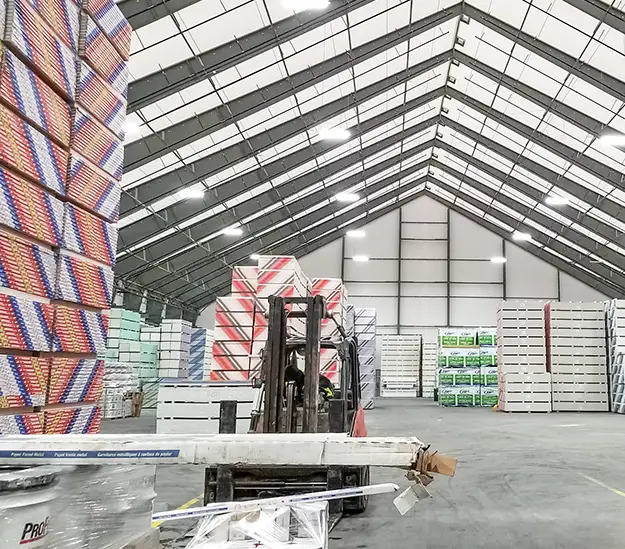
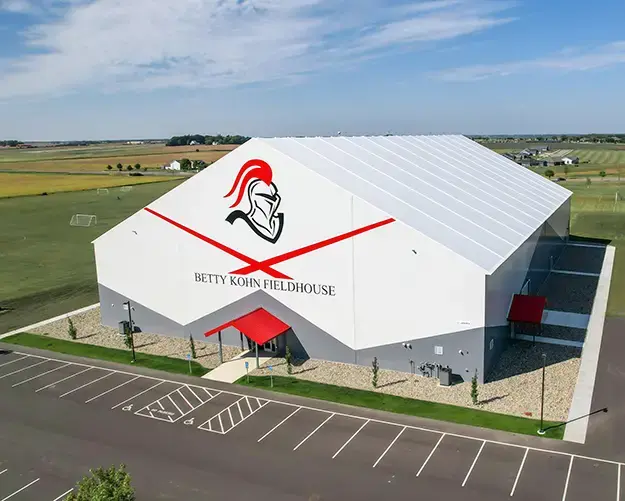
Open, enclosed, and insulated configurations for facilities across sports, agriculture, and general use.
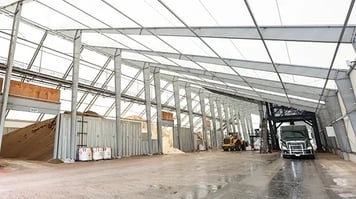
Purpose-built for industrial and corrosive environments where standard coatings and structures fall short.
1 min read
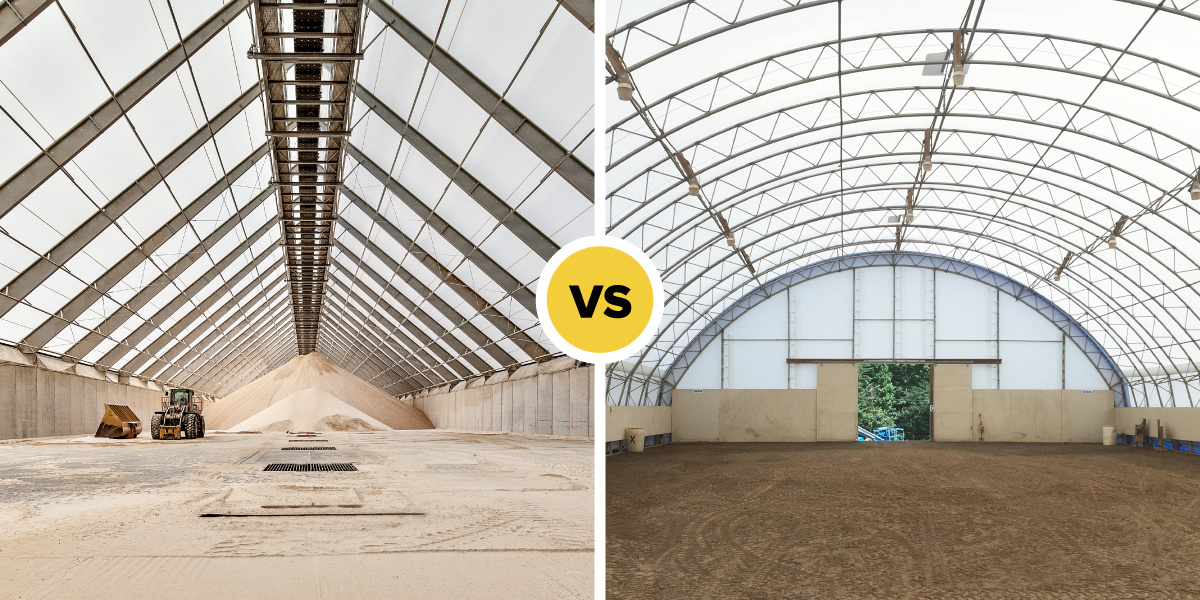
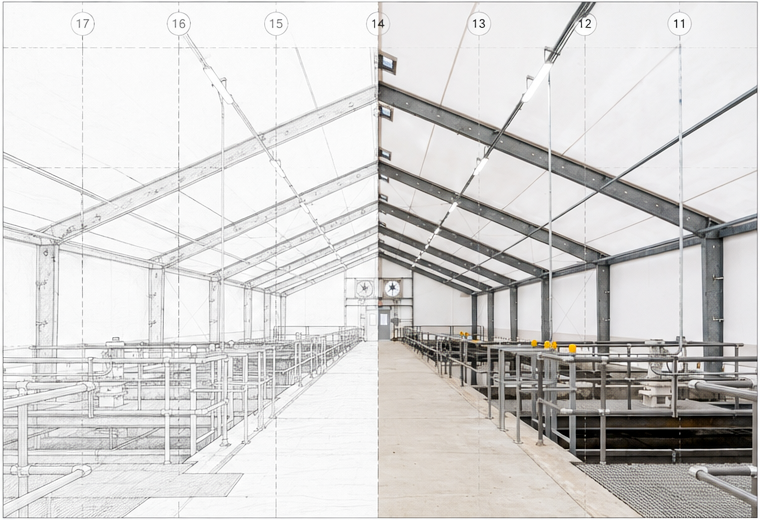
When comparing framing systems for tension fabric buildings, rigid I-beam frames consistently outperform open web trusses in critical areas such as strength, longevity, and cost efficiency over time.
While open web trusses claim to distribute loads efficiently, I-beam frames are superior in overall load-bearing capacity, particularly for structures with heavy vertical and lateral loads. The solid web design avoids weak points inherent in a trusses' intermittent members, reducing structural vulnerability under extreme loads.
Versatility and Flexibility
I-beam frames offer unmatched strength, allowing for clear spans comparable to trusses but with reduced deflection. They provide a simplified design, reducing complications in modeling and erection. Although routing MEP systems around I-beams may seem challenging, modern solutions, such as pre-engineered penetrations, streamline this process without compromising structural integrity.
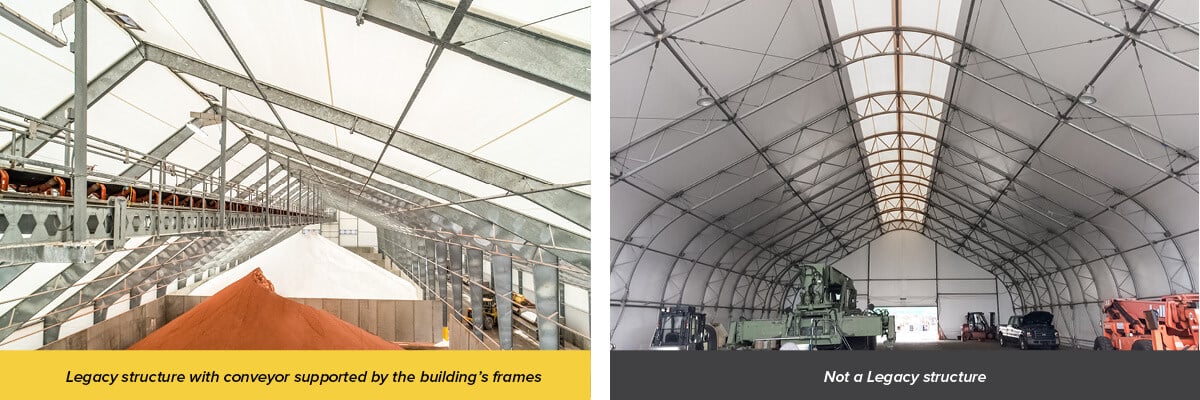
Although I-beam frames may require more steel initially, their durability results in lower long-term costs. Trusses, with their numerous connections, often require ongoing inspections and repairs, particularly in corrosive or high-load environments. I-beams, in contrast, are lower maintenance and resilient.
The argument for trusses being more sustainable due to lighter weight disregards the full lifecycle impact. I-beams' durability means fewer replacements and repairs, ultimately conserving resources. Their solid steel composition simplifies recycling processes, making them a sustainable choice for long-term use.
I-beam frames are not confined to concealed applications. Their sleek, industrial appearance can complement modern architectural designs. Moreover, their ability to handle both vertical and horizontal loads makes them ideal for demanding projects like industrial facilities and custom tension fabric structures.
Rigid I-beam frames are a reliable, cost-effective, and sustainable option for projects requiring strength, simplicity, and long-term durability. Their advantages make them a superior choice for tension fabric building steel framing.
Contact us to learn more about the advantages of rigid i-beam frames for fabric structures.
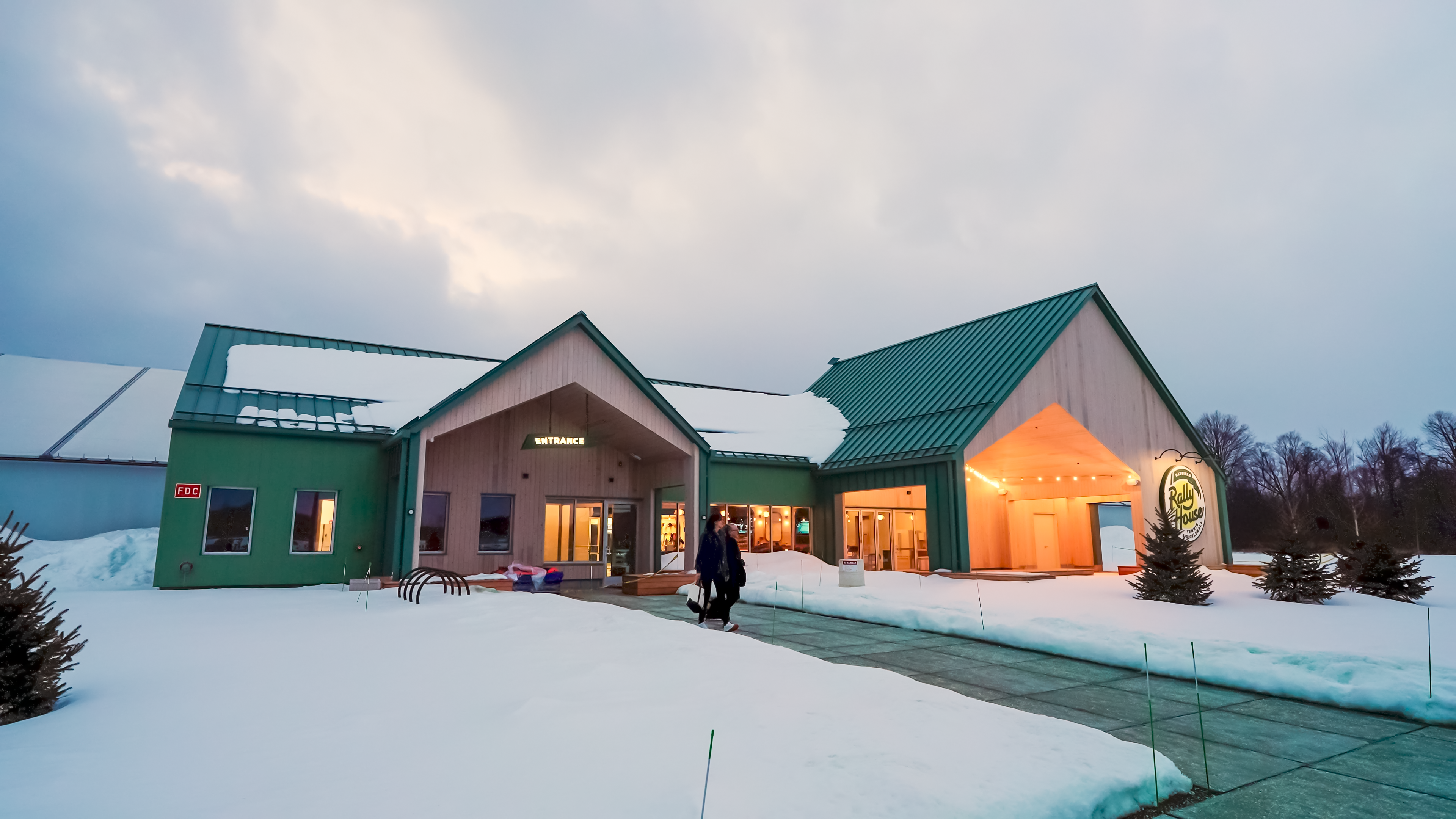
When evaluating a building envelope, performance should be measured, not assumed. Independent testing provides building owners with measurable data...
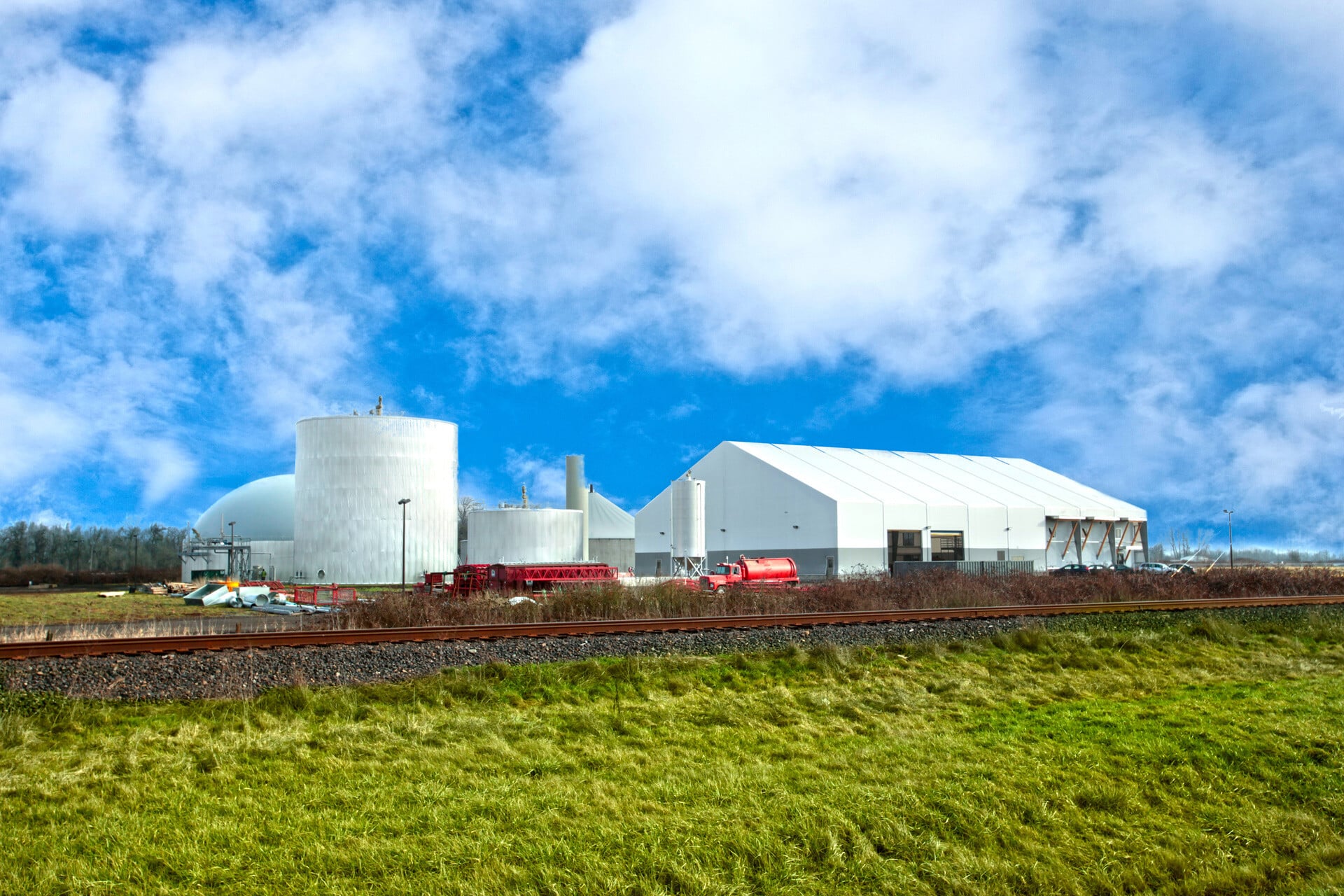
When selecting a building manufacturer, it's easy to compare building sizes, pricing, and features. But some of the most important differences happen...
As specialty building systems gain traction across municipal, industrial, aviation, and recreational markets, more general contractors are managing...