IAS AC472 Accreditation | Legacy Building Solutions
When selecting a building manufacturer, it's easy to compare building sizes, pricing, and features. But some of the most important differences happen...

Open, enclosed, and insulated configurations for facilities across sports, agriculture, and general use.
Purpose-built for industrial and corrosive environments where standard coatings and structures fall short.
4 min read
When planning a new building project—especially for municipalities, co-ops, or industrial operations—the delivery method you choose will directly affect your schedule, budget, and overall success.
Two terms you’ll often hear are design-build and single-source. They’re closely related, and when combined—through approaches like single-source design-build and integrated project delivery—they can significantly accelerate your project compared to traditional design-bid-build.
Design-build construction is a project delivery method where one company is responsible for both the design and construction of a building.
Instead of hiring separate architects, engineers, and contractors (as in design-bid-build), you work with a single partner who manages the entire process from concept to completion using a unified, integrated project delivery mindset.
For smaller projects in particular, design-build construction eliminates unnecessary complexity and keeps projects moving forward efficiently, often delivering faster completion than a traditional design-bid-build approach.
In a traditional design-bid-build model, the project follows a strict sequence: design is completed first, then the project is put out to bid, and only after a contractor is selected does construction begin. Each phase must finish before the next can start, which can add months to the schedule.
With design-build, many of these steps happen in parallel. The same team that develops the design is planning construction, procurement, and scheduling at the same time. This overlap reduces downtime between phases, cuts back on redesign caused by bidding conflicts, and minimizes delays from disputes between separate design and construction firms.
The result is typically a shorter, more predictable project timeline than design-bid-build, with fewer surprises once construction is underway.

Not all design-build providers operate the same way.
In many cases, companies still outsource key components like engineering, manufacturing, or installation. This can lead to:
This is where the concept of single-source and true single-source design-build becomes critical for both schedule and performance.
Single-source takes the design-build model a step further.
With a single-source provider, everything is handled in-house, including:
Instead of coordinating multiple vendors behind the scenes, your partner controls every aspect of the project through a cohesive, integrated project delivery framework. This tighter control often translates into fewer bottlenecks and faster progress than both traditional design-bid-build and fragmented design-build models.
Combining design-build with a single-source approach creates a more streamlined and predictable project experience—essentially a practical form of single-source design-build.
With one integrated team, there are no gaps between design, engineering, and construction. Everyone is aligned from day one, reducing the RFIs, redesigns, and disputes that often slow down design-bid-build projects.
Without third-party dependencies, projects move forward without unnecessary delays. Decisions are made faster, and adjustments in design can be coordinated immediately with construction, helping you maintain or even compress your schedule.
Every phase of the project is executed to the same standard, ensuring better long-term performance and fewer rework-related delays.
There’s no finger-pointing between vendors—your partner owns the entire outcome, which encourages proactive schedule management and on-time delivery.
Smaller projects often don’t have the margin for inefficiencies.
A fragmented approach—whether design-bid-build or partially outsourced design-build—can quickly lead to:
A design-build, single-source partner eliminates these risks by simplifying the process and ensuring everything is aligned from the start through a cohesive form of integrated project delivery. This can be especially valuable when you need your facility operational as quickly as possible.
Together, they provide a streamlined approach that reduces risk, improves outcomes, and accelerates delivery compared to design-bid-build—especially when implemented as a fully integrated, single-source design-build model.
Choosing design-build is a smart first step—but choosing a single-source design-build partner that embraces integrated project delivery principles is what truly sets your project up for success.
By working with one team that handles everything in-house, you gain more control, better communication, and more predictable, often faster results than you’d typically see with design-bid-build—no matter the size of your project.
When selecting a building manufacturer, it's easy to compare building sizes, pricing, and features. But some of the most important differences happen...
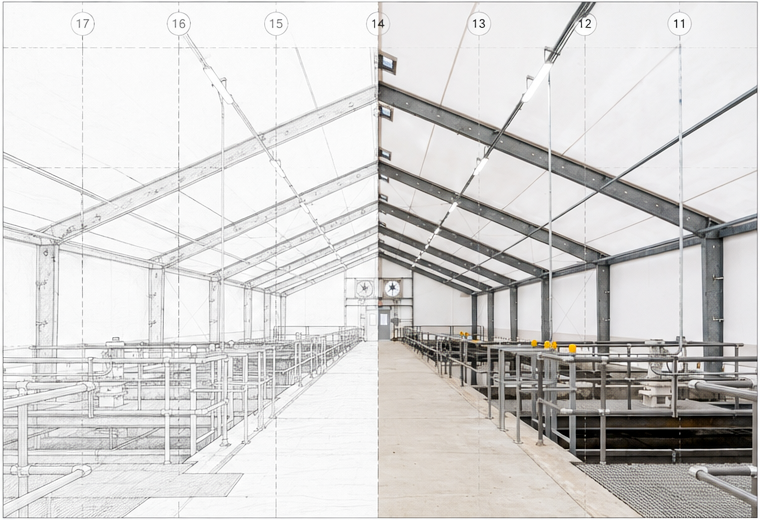
As specialty building systems gain traction across municipal, industrial, aviation, and recreational markets, more general contractors are managing...
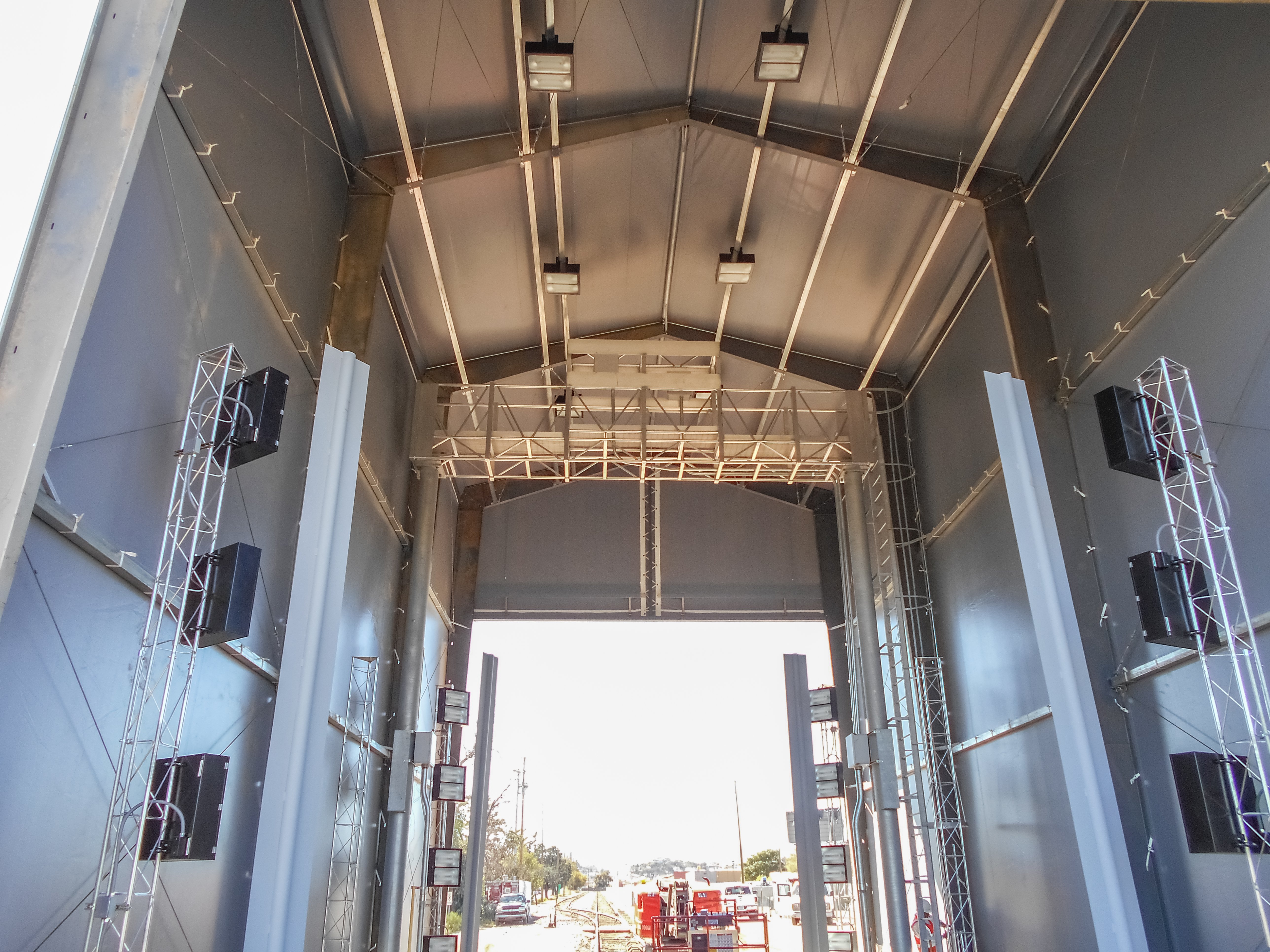
The future of industrial construction is entering a new era, with the future defined by speed, flexibility, and smarter choices. Looking ahead in...