Engineered Building Systems for Nuclear, Oil, Gas and Power Operations
Energy infrastructure is evolving. From traditional oil and gas operations to renewables, chemical processing and a renewed focus on nuclear power...
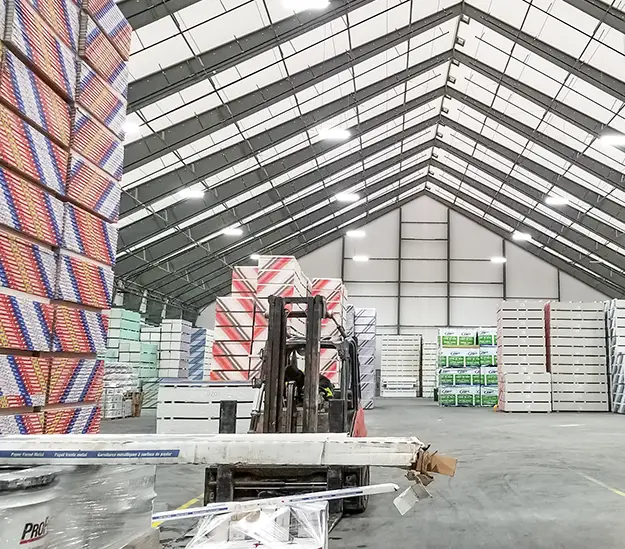
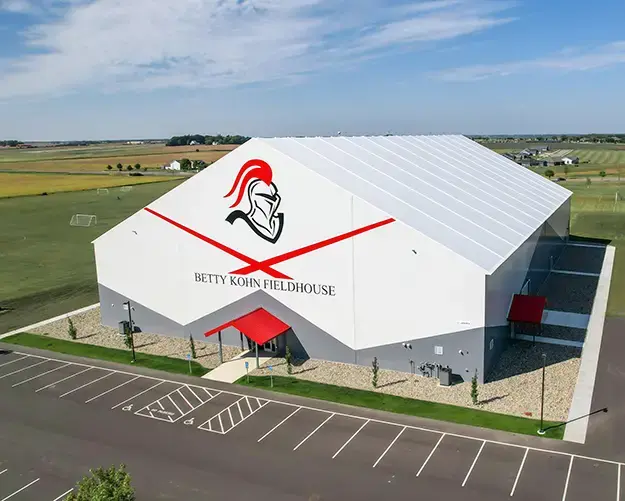
Open, enclosed, and insulated configurations for facilities across sports, agriculture, and general use.
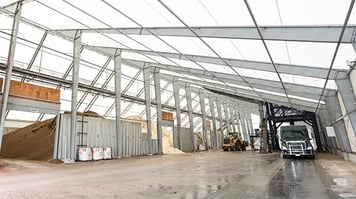
Purpose-built for industrial and corrosive environments where standard coatings and structures fall short.
3 min read
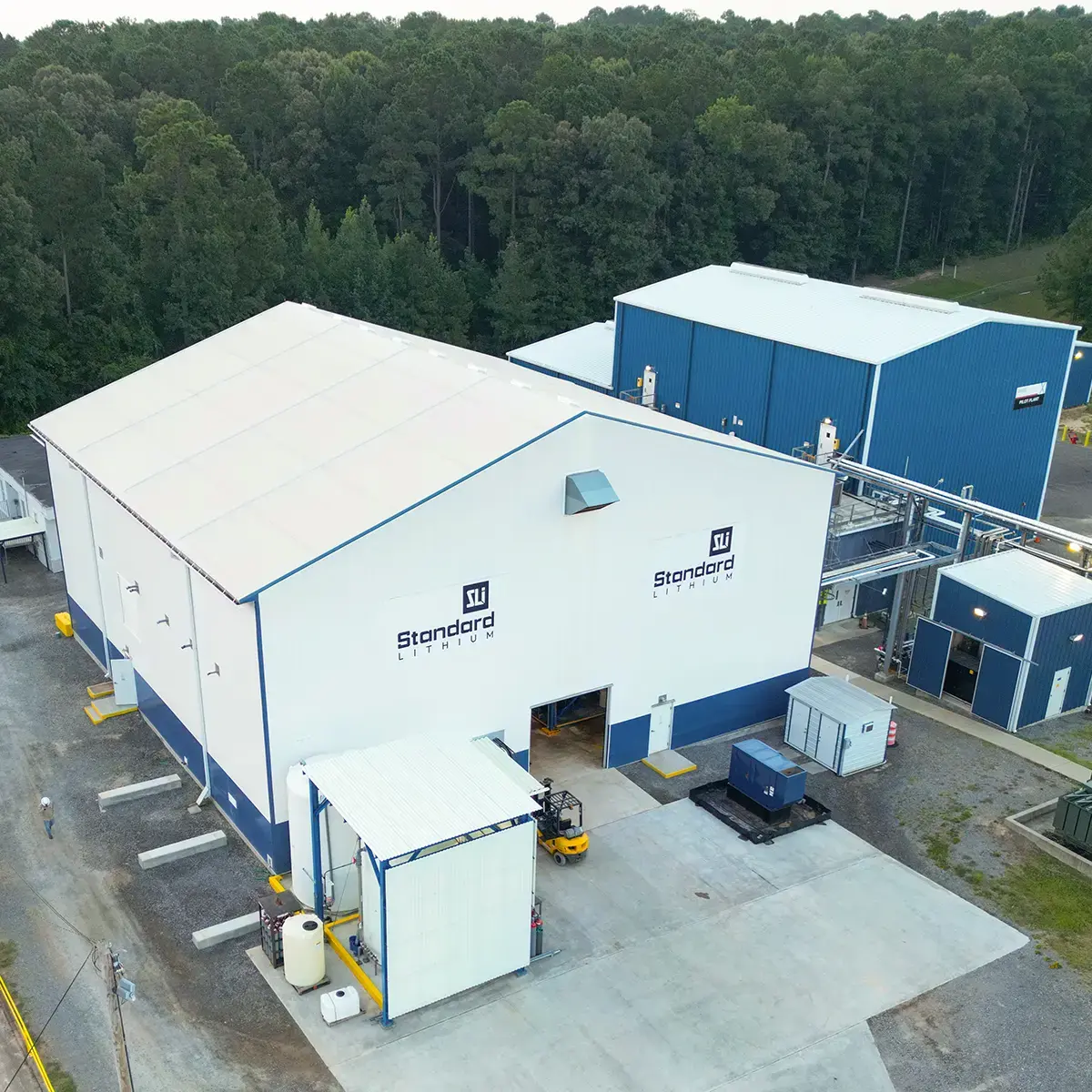
Energy infrastructure is evolving. From traditional oil and gas operations to renewables, chemical processing and a renewed focus on nuclear power generation, owners need facilities that can be delivered efficiently while meeting demanding operational, environmental and structural requirements. The building itself plays a pivotal role, especially when considering engineered building systems for energy sites and how they integrate with broader nuclear and power infrastructure. In many cases, these systems provide a streamlined path to deploy flexible support spaces that complement core plant assets and other critical functions.
Legacy Building Solutions designs and manufactures custom-engineered structures for demanding industrial environments. Combining rigid steel framing with high-performance PVC cladding, Legacy creates facilities that can accommodate equipment, large open interiors, specialized ventilation, corrosion challenges and difficult site conditions. These solutions deliver the versatility of expansive interiors while leveraging steel I-beams for the strength associated with heavy industrial buildings. As nuclear power and other energy technologies advance, this flexible approach offers an important option for non-safety-related and support facilities across complex sites.
These are custom structures using rigid steel frames clad with PVC, designed to meet specific industrial requirements. They can be tailored for ventilation, hanging loads, equipment access and harsh environments, making them suitable for support roles at power plants, refineries and chemical processing sites. In practice, they function like open-span industrial buildings, creating unobstructed interiors that support complex processes across nuclear, oil, gas and chemical operations. This adaptability aligns with evolving operational demands, allowing support spaces to scale with plant lifecycles.
Compared to all-metal structures, PVC-clad systems can be lighter and faster to install while still relying on steel I-beam frames for strength. Their open interiors help eliminate columns that disrupt equipment layout. They can integrate overhead cranes, pipe racks and mezzanines, providing performance similar to conventional steel buildings but with added corrosion resistance and rapid deployment advantages. For many energy sites, this balance of speed, adaptability and durability makes engineered building systems a strong alternative. When owners evaluate total cost and schedule, PVC-clad solutions can reduce downtime and mobilize projects faster while achieving outcomes comparable to conventional options.
Yes. They can be engineered around cranes, processing equipment, vehicles, ventilation systems and specialized loads. Doors, access, mezzanines and hanging utilities can be incorporated based on facility needs, resulting in a building tailored to the operation inside it. This makes them ideal for warehousing, maintenance, fabrication and equipment protection across energy sites. Their open-span characteristics also accommodate future reconfiguration without extensive structural changes, which is valuable in high-stakes environments where equipment layouts evolve.
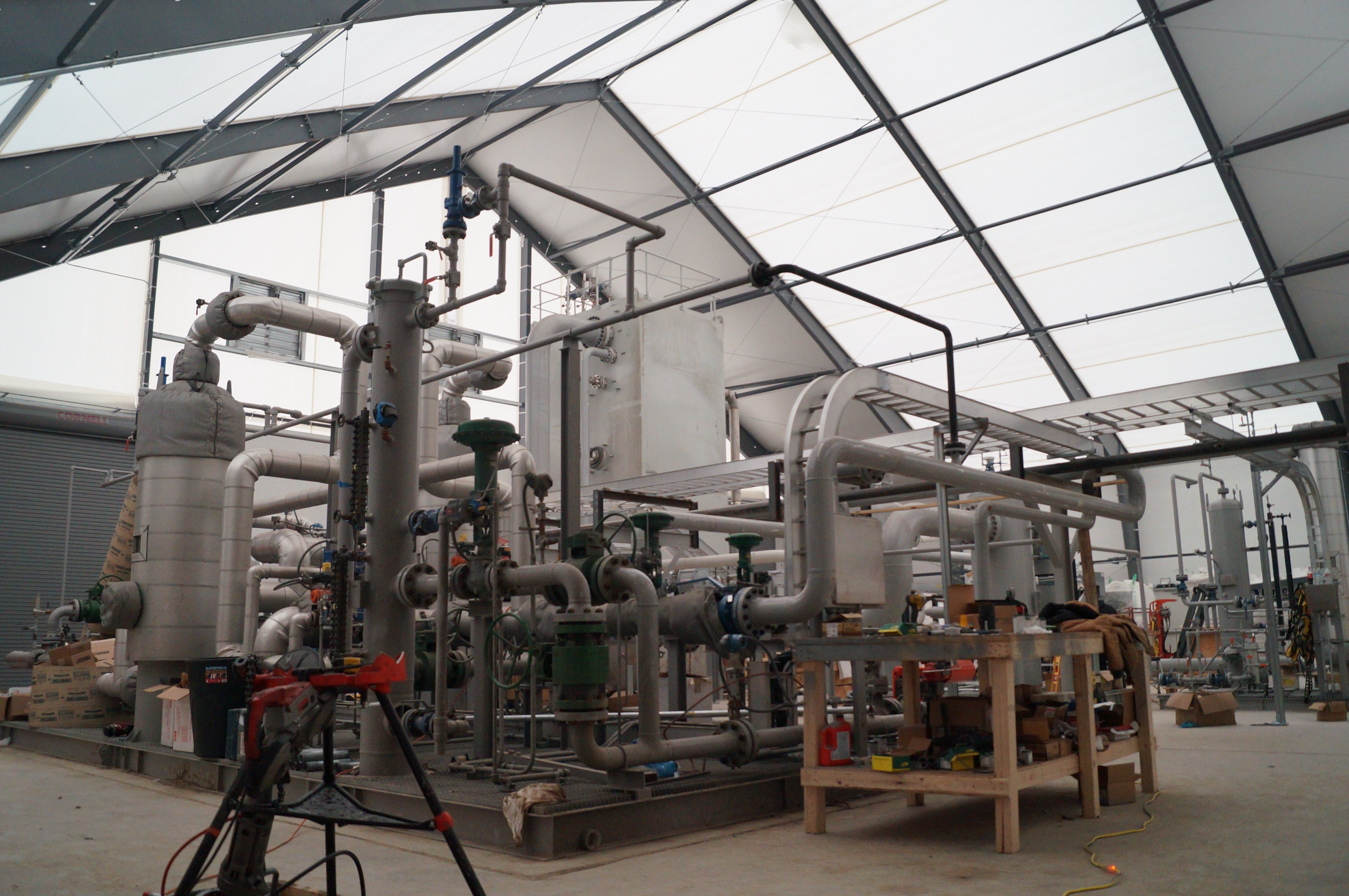
PVC cladding can support favorable interior light quality and reduce thermal bridging compared to some panelized metal systems. This can enhance comfort and help manage temperature swings around sensitive equipment, which is especially important in power generation and industrial settings. When paired with insulation systems and appropriate HVAC design, these corrosion-resistant envelopes can improve energy efficiency, support condensation control and contribute to more stable operating conditions in support spaces. Over time, optimized building envelopes help maintain consistent conditions, supporting both occupant productivity and equipment longevity.
Service life depends on design, materials and environment. Legacy’s PVC cladding resists rust and degradation better than many metal panels in corrosive atmospheres, and structural steel protected with specialized coatings supports longevity. These attributes make corrosion-resistant buildings well-suited for harsh oil, gas, chemical and power environments. With proper maintenance, engineered systems provide long-term value comparable in durability to many conventional solutions while offering the adaptability associated with open interiors. Across complex energy facilities, this durability helps ensure continuity of operations and lifecycle value for mission-critical support structures.
Growing interest in nuclear energy is driving new infrastructure needs for existing plants, new reactors, SMRs and microreactors. Depending on specific engineering and regulatory requirements, engineered building systems can support maintenance, warehousing, fabrication, construction support, remediation, waste-handling support, weather protection, outage staging, non-safety-related process enclosures and operational support. This flexibility is valuable for programs where support buildings must adapt quickly to changing priorities while maintaining compliance and performance. In many cases, these systems complement permanent assets, delivering open interiors and corrosion-resistant performance aligned with modern nuclear site needs.
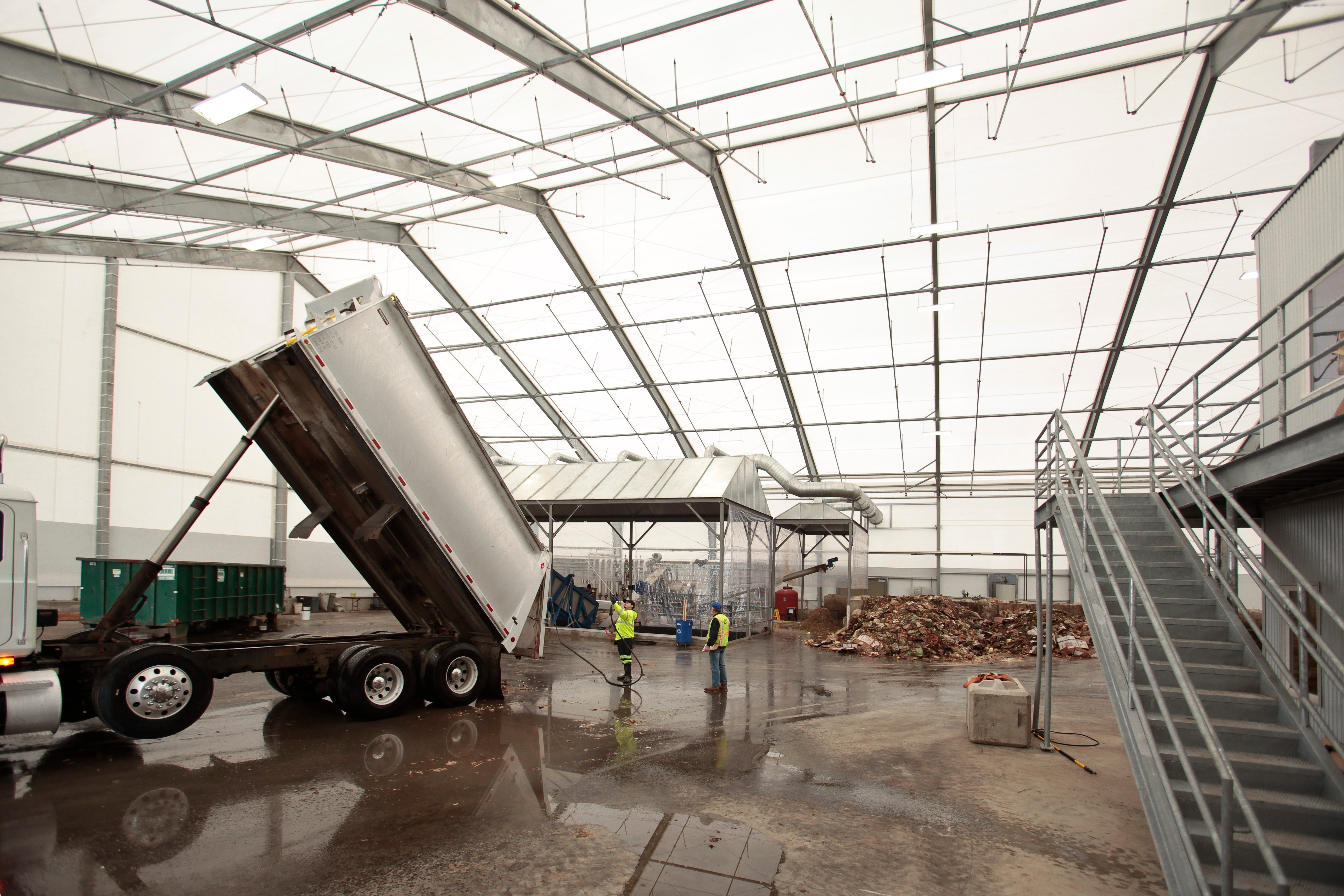
Corrosion is a major concern across energy operations. PVC cladding does not rust like traditional metal panels, and protective coatings can safeguard steel frames, resulting in buildings suited for long-term exposure. Simultaneously, open interiors allow unobstructed equipment movement, crane operation and future layout changes. Together, these traits make PVC-clad, steel-framed structures a strong match for complex, evolving energy sites. As owners seek resilience, engineered building systems help align performance, schedule and cost across the project lifecycle.
Energy infrastructure is evolving. From traditional oil and gas operations to renewables, chemical processing and a renewed focus on nuclear power...
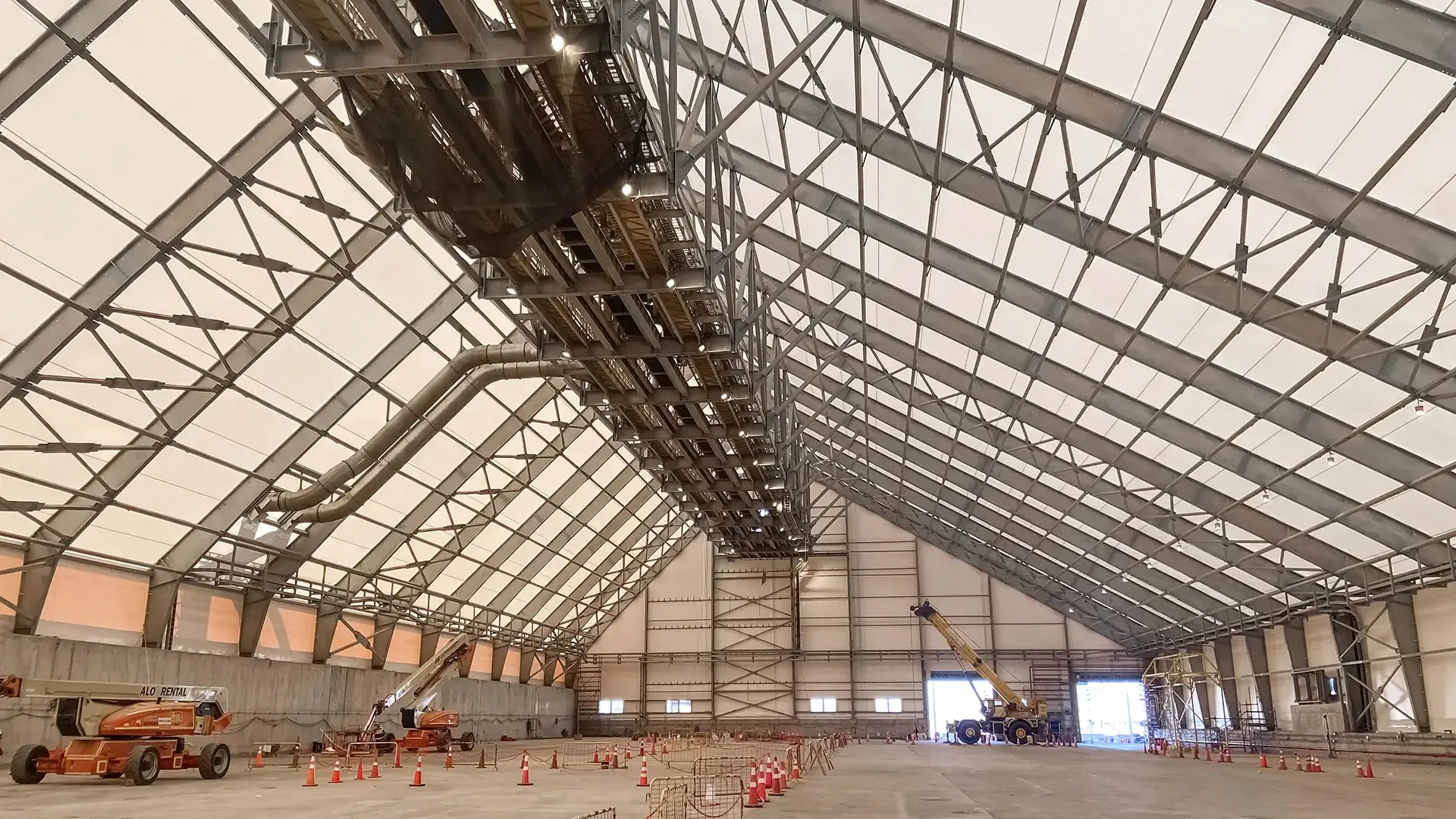
Mining operations put buildings through conditions few other industries experience. Corrosive minerals, abrasive dust, heavy equipment, severe...

Hangar buildings are more than places to park airplanes. For airports, fixed-base operators (FBOs), maintenance, repair and overhaul (MRO) providers,...