Mining Infrastructure Built for the Demands of Modern Mining Operations
Mining operations put buildings through conditions few other industries experience. Corrosive minerals, abrasive dust, heavy equipment, severe...
Open, enclosed, and insulated configurations for facilities across sports, agriculture, and general use.
Purpose-built for industrial and corrosive environments where standard coatings and structures fall short.

4 min read
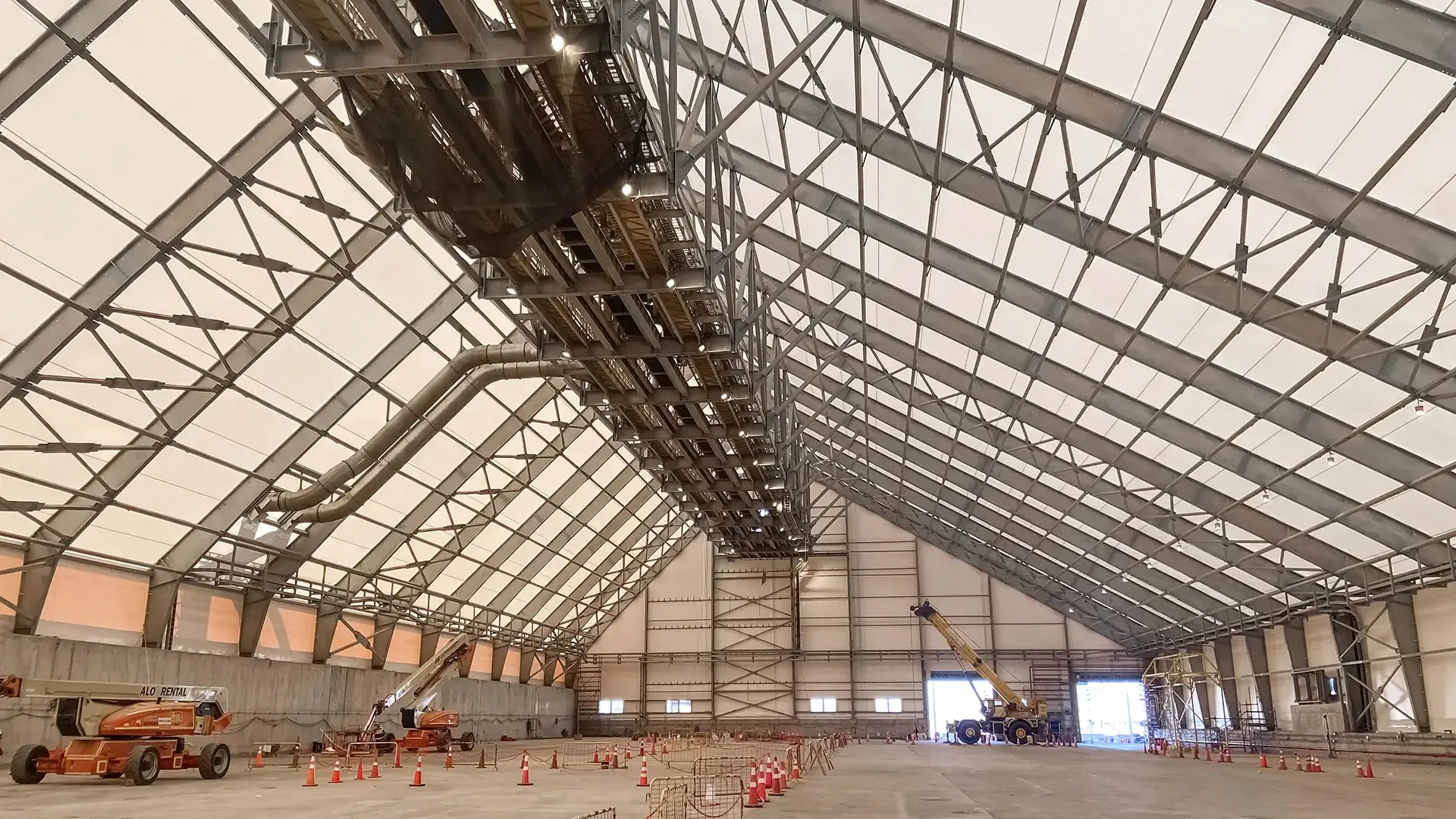
Mining operations put buildings through conditions few other industries experience. Corrosive minerals, abrasive dust, heavy equipment, severe weather, and remote locations can all challenge the long-term performance of a facility. At the same time, sites need mining infrastructure that supports efficient material movement, protects valuable equipment, and keeps operations moving.
In short, mining infrastructure is the combination of buildings, utilities, transport links, and systems that enable safe extraction, processing, storage, and maintenance, all of which directly affect productivity, safety, and lifecycle costs.
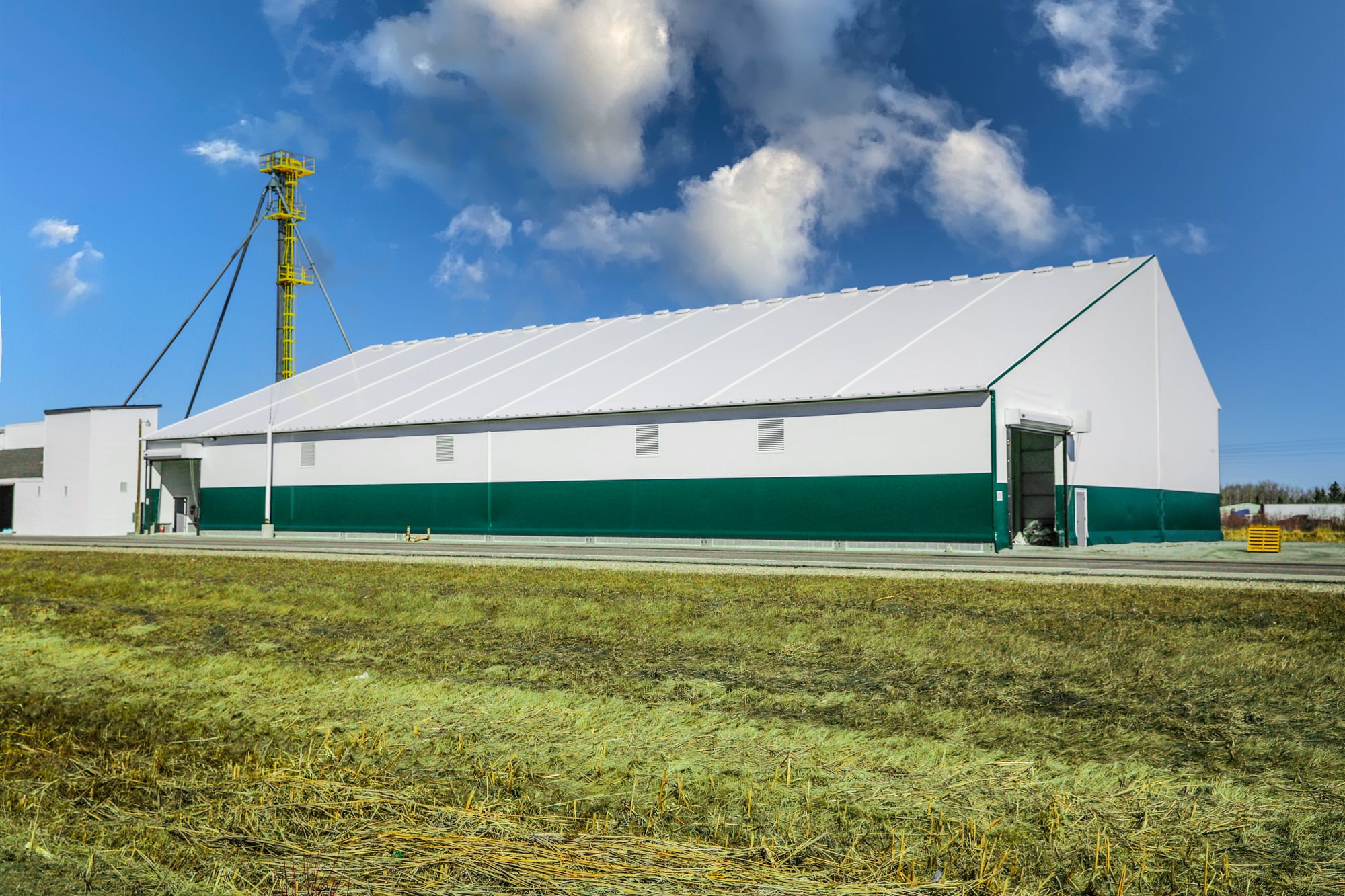
Modern Mining buildings must do more than provide shelter. Mining Structures need to withstand demanding environments while accommodating conveyors, loaders, haul trucks, cranes, processing equipment, and bulk materials. They must also provide the flexibility to adapt as operational requirements change, which is why structures and Mining storage buildings are treated as core assets in mining facility design.
Mining infrastructure includes the structures and facilities that support mineral extraction, processing, storage, equipment maintenance, and material transportation. Its main components typically include Mining storage buildings, bulk material storage structures, equipment maintenance shops, conveyor enclosures for mines, crushing and screening facilities, warehouses, and loading/transload facilities. These Mining Structures must integrate with utilities and logistics, including transport infrastructure that connects the site to ports, rail, or road networks—transport that directly influences operating costs by impacting haul distances, cycle times, and throughput.
Unlike a conventional warehouse, these facilities may need to accommodate massive equipment loads, large door openings, conveyors, cranes, and unusual clearance requirements while operating in an environment where moisture, minerals, and chemicals can accelerate corrosion. That combination makes early mining facility design especially important.
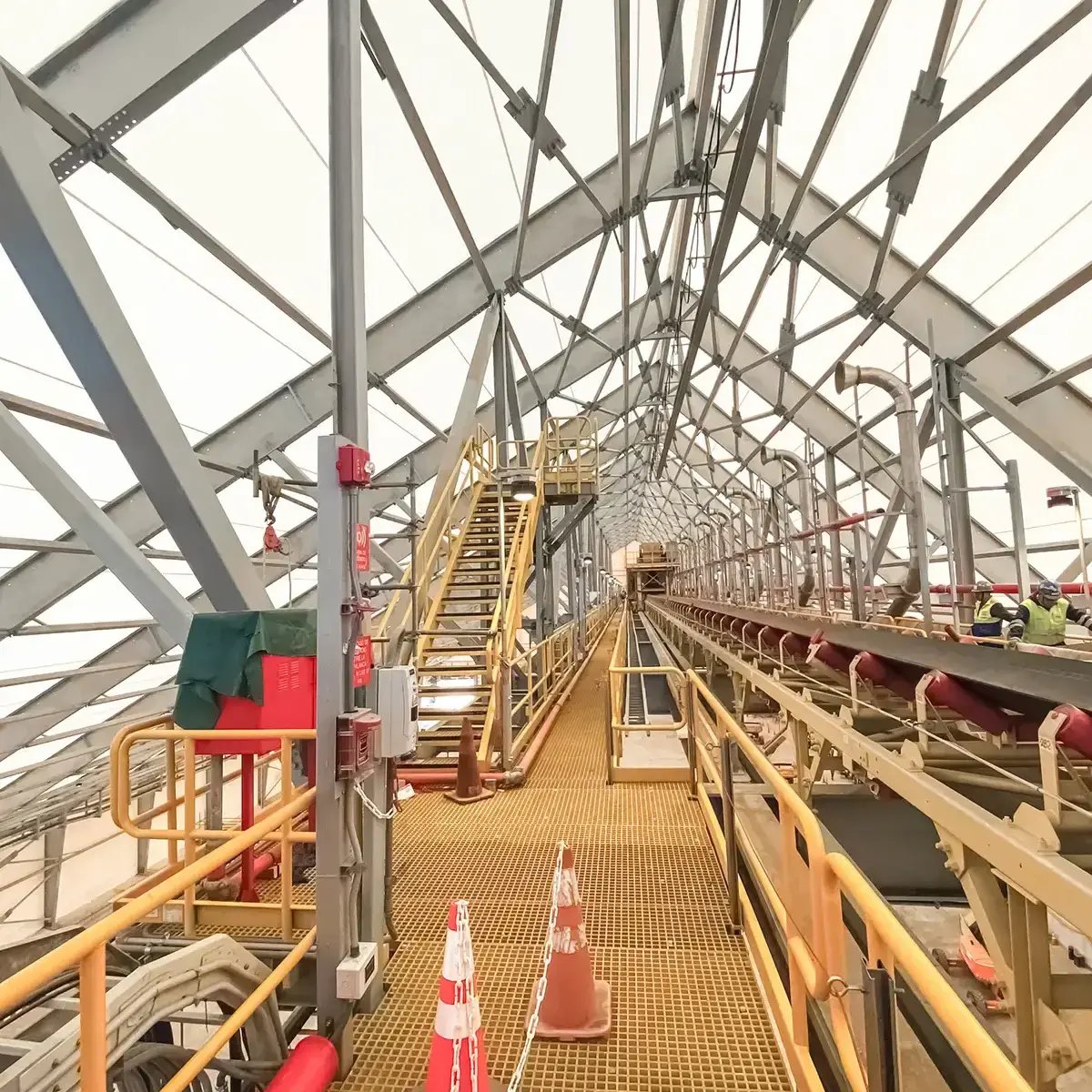
One of the biggest threats to mining infrastructure is corrosion. Mining environments frequently expose structural components to moisture, chemicals, salts, mineral dust, and other corrosive materials. Over time, corrosion can increase maintenance requirements, shorten the useful life of building components, and create reliability concerns. This makes material selection a critical part of mining facility design and mining construction, because durability affects total cost of ownership and maintenance labor.
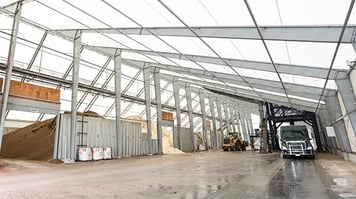
Interior columns may seem like a minor design consideration until a loader, haul truck, or conveyor needs to move around them every day. Open-span Mining buildings remove unnecessary interior columns, allowing the layout to be designed around the operation rather than forcing the operation around structural obstacles. Open-span layouts improve flexibility for heavy equipment movement, truck circulation, conveyor placement, bulk material storage structures, and crane installation, while helping reduce congestion that can drive up operating costs. In many cases, these open interiors function as clear span mining buildings within broader Mining Structures to streamline processes.
The equipment matters. A mining building should be engineered around the equipment, material flow, and processes that will take place inside it. That includes accounting for equipment dimensions, turning radiuses, door clearances, conveyor enclosures for mines, cranes, ventilation requirements, and maintenance access. Designing these requirements into the Mining storage buildings early can prevent operational compromises later and supports Mining Maintenance Facilities that function efficiently.
Mining projects are frequently located far from major population centers, creating additional construction challenges. Limited labor availability, transportation distances, unpredictable weather, and shorter construction seasons can complicate traditional building projects. Streamlined delivery reduces the time to bring Mining storage buildings and bulk material storage structures online, which can lower indirect costs. Power supply at remote sites is often provided by on-site generation, typically diesel or gas gensets, combined with renewables such as solar or wind and supported by battery systems. Redundant power architecture is integrated during mining facility design to ensure continuity for conveyor enclosures for mines and critical processes, and to improve resilience of Mining Maintenance Facilities.
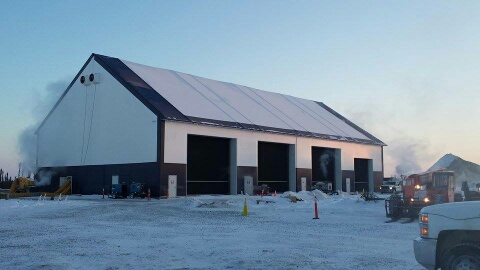
Energy efficiency and worker visibility are increasingly important for Mining buildings and maintenance spaces. Daylighting and engineered ventilation strategies can help manage heat, dust, and airborne particulates, supporting safety and efficiency. Flexible Mining Structures with wide spans, customizable layouts, and expansion capabilities allow facilities to adapt as storage, processing, or maintenance needs evolve, helping control operating costs over the life of the mine. These adaptable approaches, combined with thoughtful mining construction practices, support long-term value.
Transport infrastructure is central to mining projects: haul roads, pit ramps, overland conveyors, rail sidings, and port links determine cycle times, fuel consumption, and throughput. Integrating these systems with Mining storage buildings and bulk material storage structures during mining facility design reduces handling steps and bottlenecks, directly lowering unit costs and improving reliability. Effective links also enable clear span mining buildings and conveyor enclosures for mines to function as a coordinated system.
The mining industry depends on Mining Structures that perform under demanding conditions. Mining buildings must protect materials and equipment while supporting movement, storage, processing, and maintenance. Corrosion-resistant materials, open interiors, integrated supports for conveyors and cranes, and properly engineered conveyor enclosures for mines all contribute to resilient mining infrastructure. When these elements are considered together in mining construction, a mining building becomes more than shelter. It becomes a tool for improving long-term operational performance.
Mining operations put buildings through conditions few other industries experience. Corrosive minerals, abrasive dust, heavy equipment, severe...

Hangar buildings are more than places to park airplanes. For airports, fixed-base operators (FBOs), maintenance, repair and overhaul (MRO) providers,...
Industrial operations don't adapt well to one-size-fits-all buildings. Modern industrial fabric buildings are engineered to serve the operation,...