Why Architects Are Turning to Custom PVC-Clad Building Solutions for Modern Design
Architects today are under increasing pressure to design buildings that are visually impressive, efficient, adaptable, sustainable, and...
Building configurations organized by industry, use case, and site conditions.

See how Legacy buildings perform with durability, space, environment, and design.
Environmental PerformanceDocumentation and resources for architects, contractors, engineers,
and project owners.

Technical guides, case studies, and industry analysis for every project stage.
Projects
Legacy designs, manufactures, and installs
complete building systems under one contract.

2 min read
Juliet Brambrink Updated on December 10, 2024
In this blog series “Answers from the Engineer", our panel of fabric structure experts answers questions from industry insiders submitted during recent webinars regarding fabric structures. Today’s questions address insulation and fabric building natural light.
Yes, they can be insulated. Legacy Building Solutions can design insulation packages for all buildings we design.
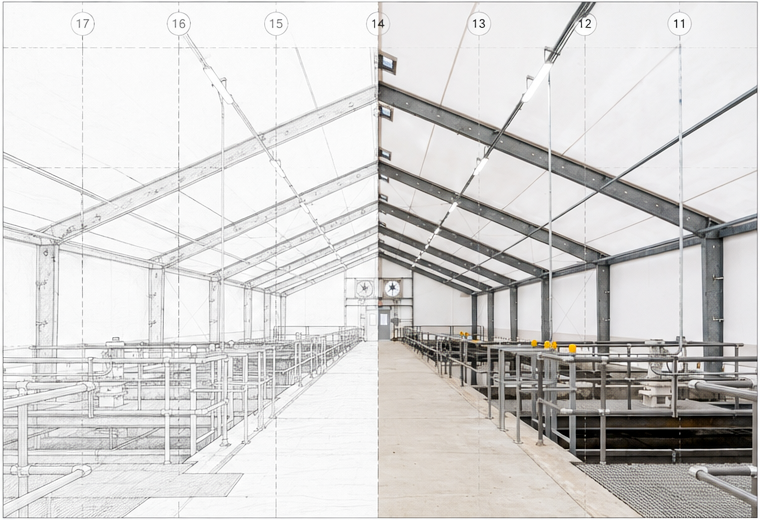
The ExxoTec™ Elite fabric has up to 12% translucency, which allows enough light into the building to safely work on a sunny day.
100% of the natural light is lost as the insulation blocks it out.
Typical insulation used is R-30 fiberglass insulation, which is the same type used in metal buildings. Legacy also adds a fabric interior liner, which provides a seamless vapor barrier as well as a nice, smooth finish on the interior of the building. This also provides for better lighting performance from other fabric building light sources, such as LED lighting systems.
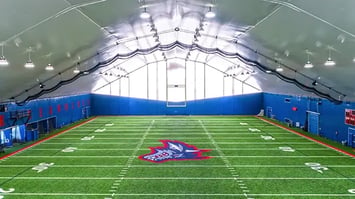
See a case study of a fabric building concert venue.
A fabric structure’s R rating is directly related to the R values of the insulation used in the structure.
That has been done. It is preferable to only do this in climates that do not normally go below freezing to avoid condensation issues in the non-insulated areas.
No, cold storage buildings do not need to be insulated.
Fabric buildings offer many advantages over traditional buildings, including faster construction times, superior energy efficiency, and cost savings. With the right insulation package, fabric buildings can also provide superior temperature control and sound dampening. Fabric structures are also available in a wide range of sizes and configurations, making them suitable for a variety of uses.
Most agricultural buildings such as barns, stables, and silos are exempt from insulation requirements. However, that doesn't mean they shouldn't be insulated. Insulation can help reduce energy costs and optimize the agricultural environment. Additionally, some industrial buildings, such as those used for storing hazardous materials, may not require insulation. Consult with one of our experts for the best insulation solution for your specific needs.
Architects today are under increasing pressure to design buildings that are visually impressive, efficient, adaptable, sustainable, and...
Fabric Structure Durability “The fabric is a lot tougher than people realize,” said Ben Fox, former president of Legacy Building Solutions. “From...