How Independent Testing Validates the Performance of Legacy PVC-Clad Buildings
When evaluating a building envelope, performance should be measured, not assumed. Independent testing provides building owners with measurable data...
Open, enclosed, and insulated configurations for facilities across sports, agriculture, and general use.
Purpose-built for industrial and corrosive environments where standard coatings and structures fall short.
4 min read
Air-supported fabric structures—also known as sports domes or sports bubbles—are a tempting solution for indoor sports arenas. These structures offer large free-span areas and lower costs compared to traditional construction.
Sports domes share some of the advantages of fabric buildings, including natural light, rapid construction, and a relatively lower cost. But in a head-to-head comparison with steel-framed fabric structures, inflatable buildings fall flat.
Sports bubbles and frame-supported fabric buildings are constructed of industrial fabric, typically polyvinyl chloride (PVC) or polyethylene (PE).
The differences between PVC and PE are worth researching, especially when calculating long-term durability, overall strength, and resistance to UV radiation.
The fabric used in both frame-supported and air-supported buildings is available in multiple colors, and some companies can design elaborate and decorative fabric exteriors.
Air-supported domes and steel-framed free-span buildings are both available with wide clear spans, with no supporting columns needed to hold up the fabric. This makes them especially popular for sports where interior columns would interfere with daily use.
Inflatable buildings are often designed as temporary, to be used during the season, deflated, and stored for the rest of the year. Frame-supported buildings are permanent and designed for year-round use.
All fabric requires some type of support. Sports domes use air pressure to keep the dome inflated, and that means the need for inflation is constant. Industry estimates show annual operating costs ranging from $3 to $6 per square foot, which can total $285,000 to $570,000 per year for a 95,000-square-foot dome when factoring in inflation, heating, cooling, and maintenance costs.
When in use, air-supported buildings must be constantly monitored and inflated. Snow build-up on the building can cause permanent or temporary damage. Losing power often means your sports facility will collapse, creating the risk of damage to equipment and potential injuries for occupants.
Sports bubbles used seasonally must be re-inflated at the beginning of the season, deflated at the end, and then stored. During each assembly and disassembly, the playing field is out of commission for several days while technicians complete the process. This results in lost-time costs as well as the costs for the technicians themselves.
“Bubbles” and “domes” got their name because of their shape. The air support system creates a smooth, rounded shape. The inside of the dome is one large, open area.
In an inflatable building, it is difficult to add additional features to the building or separate areas to use for a pro shop, spectator seating, or locker rooms. The door options are limited to maintain air pressure. And the inflation will not support additional loads from mounted scoreboards, netting, or divider curtains.
Finally, most air-supported structures come in standard sizes, so there is almost no customization. If you have special requirements, bubbles don’t easily accommodate them.
Although the upfront capital cost to purchase air-supported sports facilities is less, the yearly cost to operate them is considerable.
The bubble needs to be inflated, and remain inflated 24/7. The pressurized nature of the facility means a lot of heating and cooling goes right out the door when people go in and out of the facility.
As a building owner, you want your sports facility to feel as much like the big outdoors as possible. The air quality inside the air-supported structure is pressurized and that doesn’t feel natural. The curved walls and limited peak height give you, and your athletes, less overall space to work with. You don’t want your structure to impose limits on your users’ capabilities.
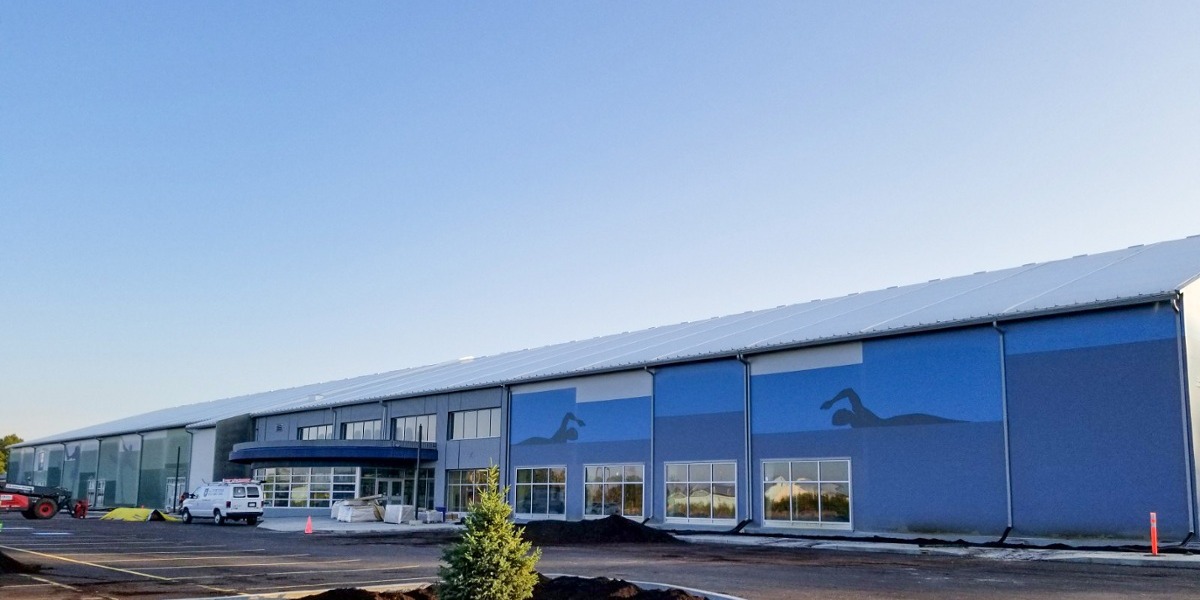
Modern tension fabric buildings use the same proven engineering techniques and solid steel I-beams as traditional structures.
They are designed to last for decades without additional operating or maintenance costs. They are engineered to stand up to high winds, snow loads, and seismic activity.
Steel rigid frame structures don't require airlocks for structural integrity. Windows, vents, and doors are options to keep the building at a comfortable temperature and very accessible.
The frame can be engineered to handle multiple design options including:
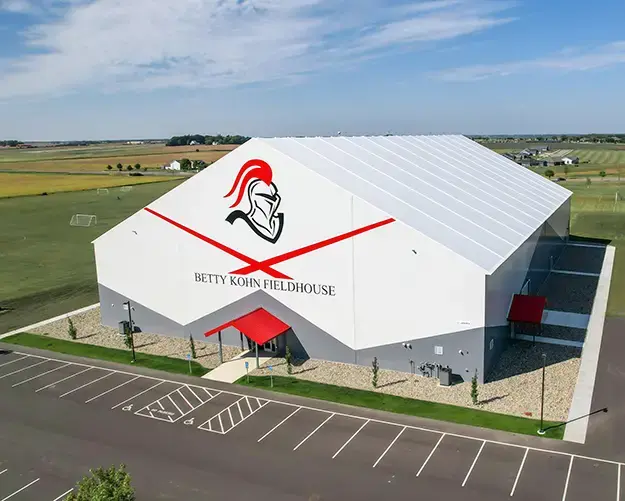
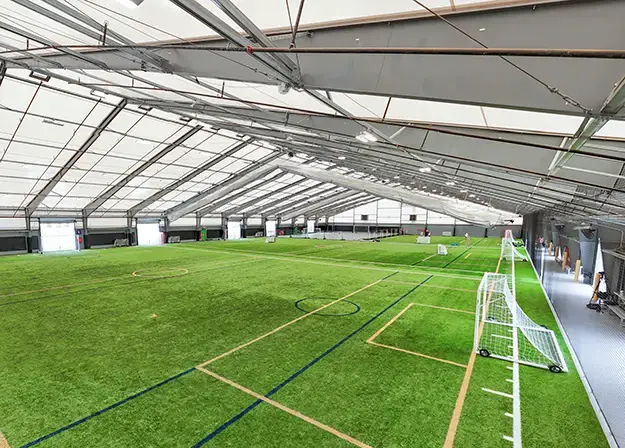
Multiple cladding options, including stonework and masonry, can be added to the steel frame as an exterior accent to the fabric cladding. Tension fabric field houses look just like traditional buildings with high peaks and straight walls. That gives your teams more room inside to pass, punt, kick, bump, lob, and hit fly balls. The traditional shape of the frame building makes it blend in with surrounding architecture, often a plus in university settings.
Steel-framed fabric structures provide several key advantages for sports facility owners:
The benefits of tension fabric structures—including design flexibility, energy efficiency, beauty and long-term durability—are a sharp contrast to air-supported sports facilities. Take a serious look at what you need in a field house and then talk to us about what we can design for you.
Looking at building a new athletic facility? Here's what you need to know. 
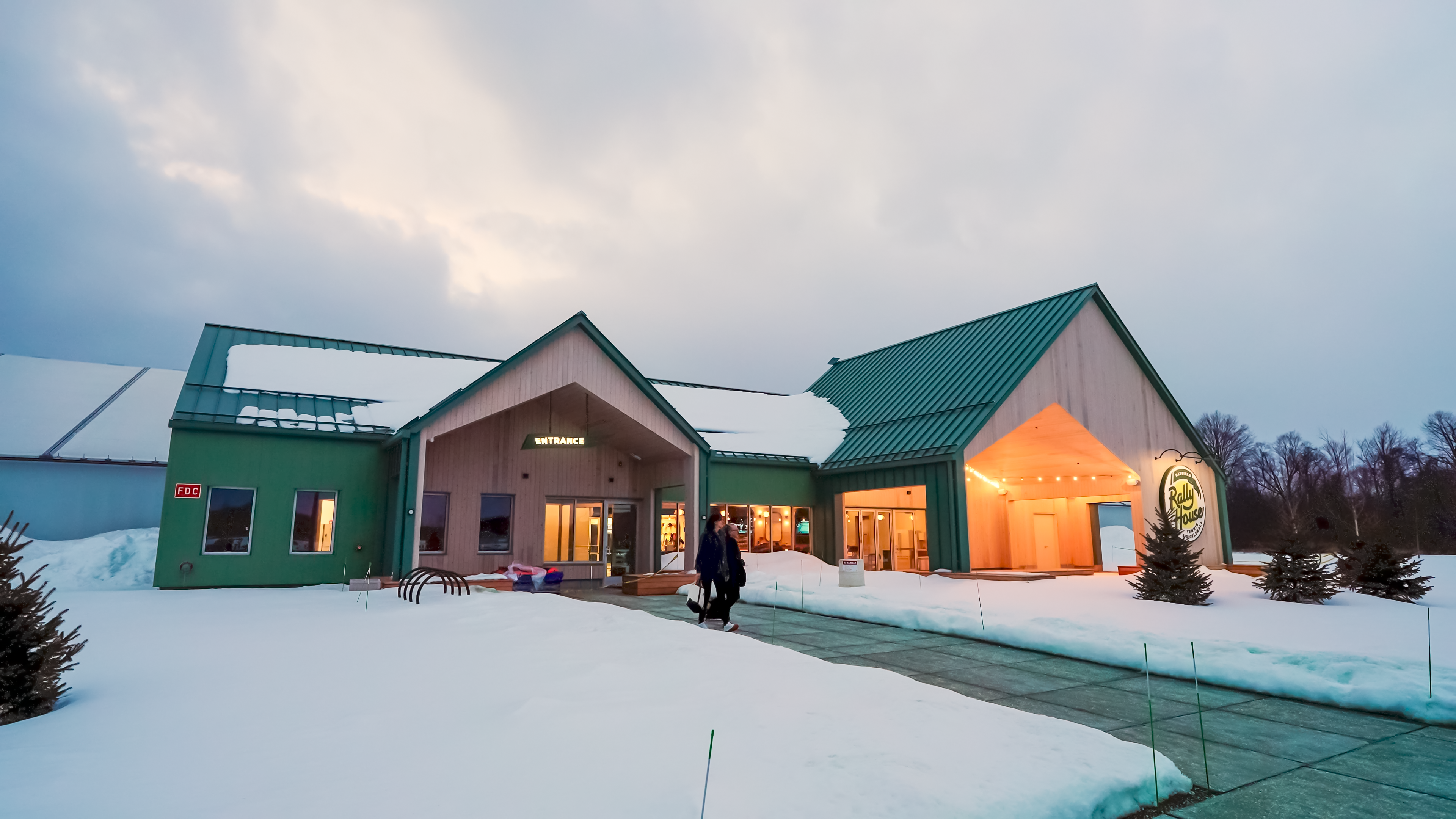
When evaluating a building envelope, performance should be measured, not assumed. Independent testing provides building owners with measurable data...
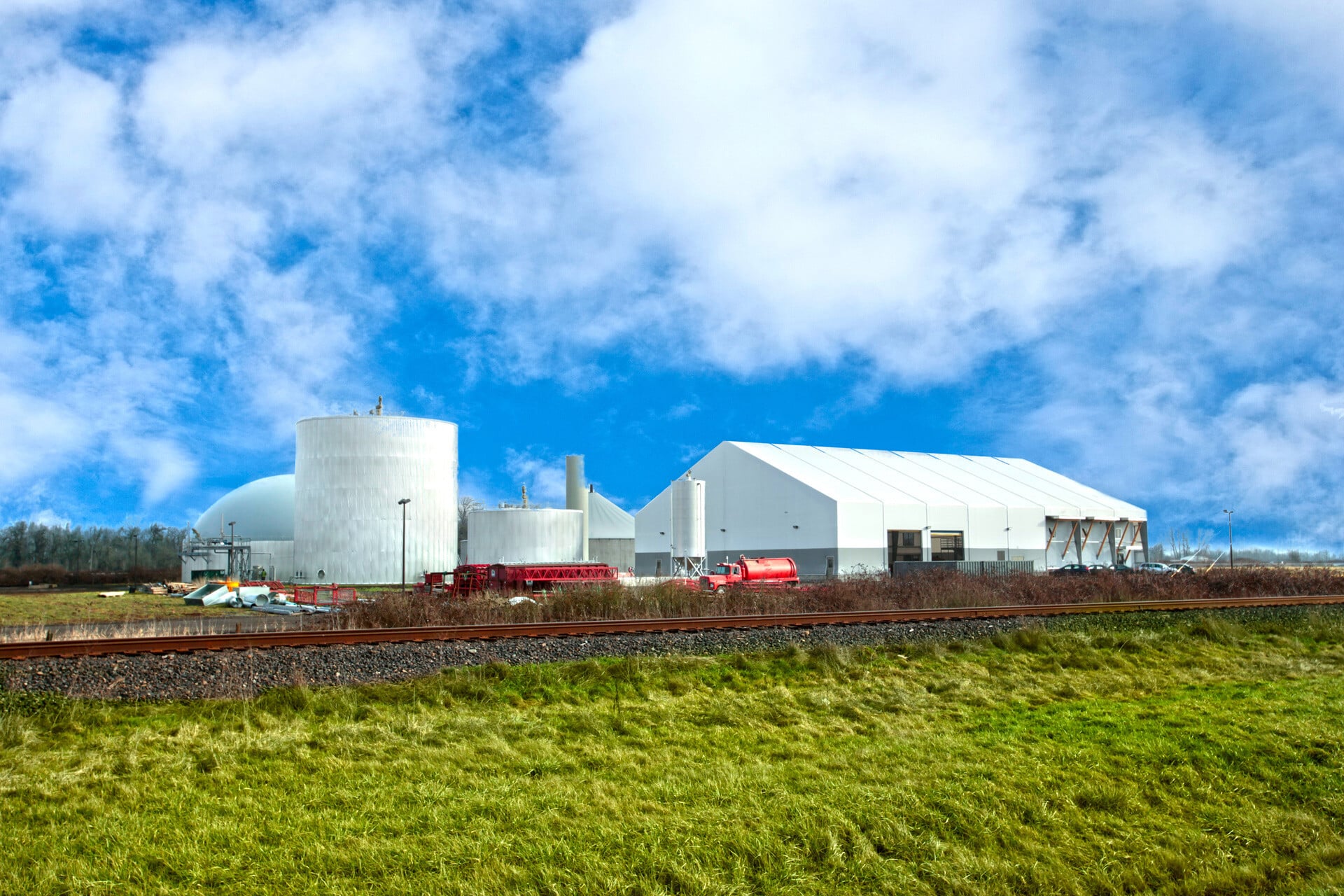
When selecting a building manufacturer, it's easy to compare building sizes, pricing, and features. But some of the most important differences happen...
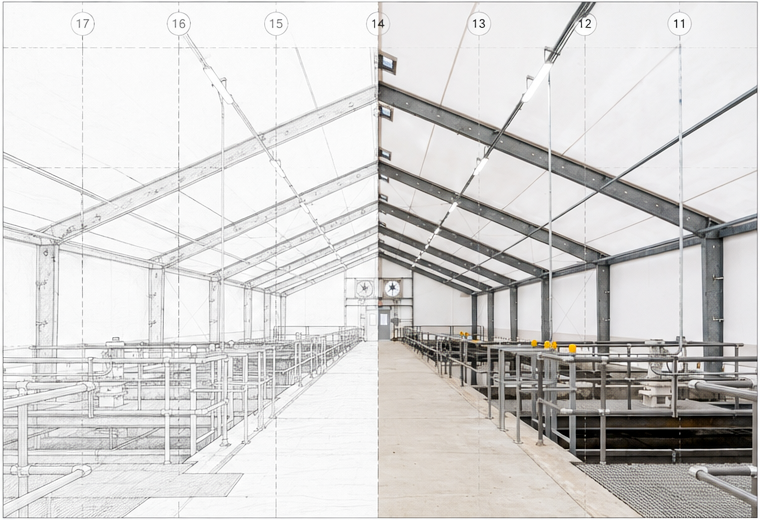
As specialty building systems gain traction across municipal, industrial, aviation, and recreational markets, more general contractors are managing...