IAS AC472 Accreditation | Legacy Building Solutions
When selecting a building manufacturer, it's easy to compare building sizes, pricing, and features. But some of the most important differences happen...
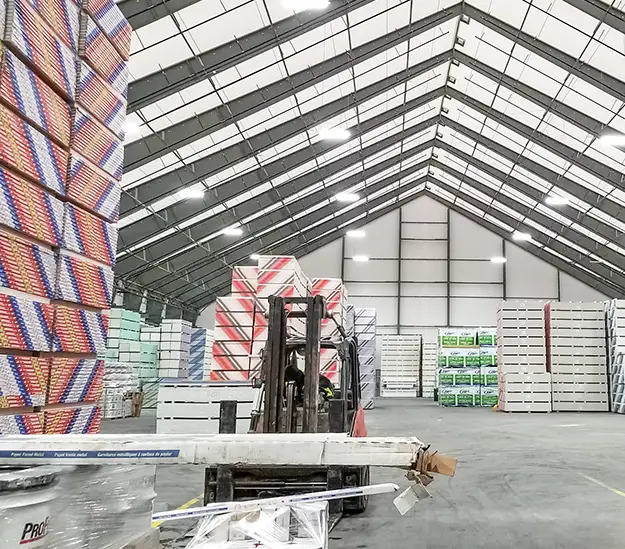
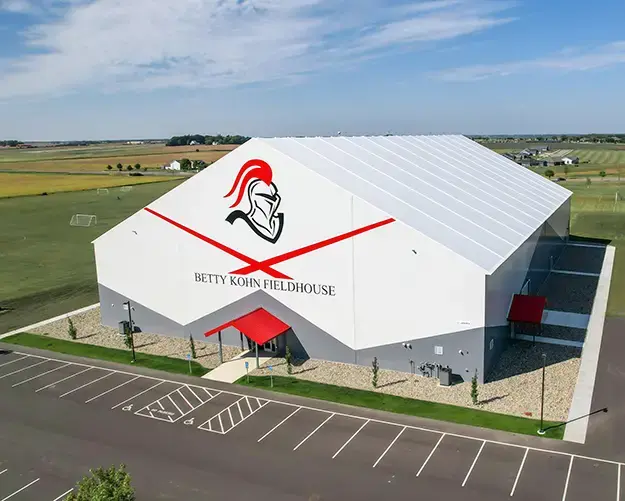
Open, enclosed, and insulated configurations for facilities across sports, agriculture, and general use.
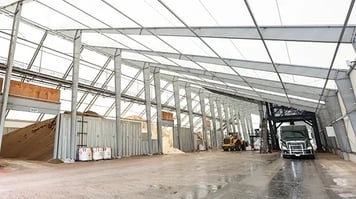
Purpose-built for industrial and corrosive environments where standard coatings and structures fall short.

3 min read
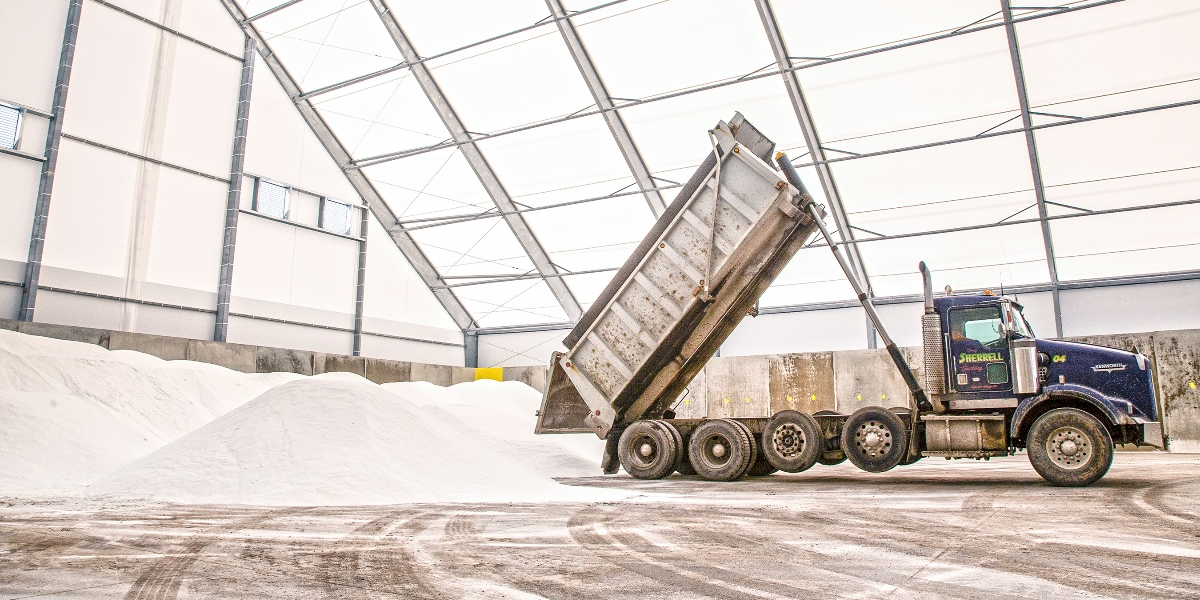
When you need it during a snow event, you need it immediately—and when you store it, its corrosive nature can quickly wear down any structure that isn’t built to handle it.
When the snow flies, Departments of Transportation (DOTs), cities and counties across North America must mobilize quickly to keep roads open and safe. Salt is a critical tool in every snow and ice management plan. Since storms can escalate rapidly, plow operators need fast, reliable access to road salt so they can load up and return to the road without delay.
The rest of the year, protecting your salt supply from wind and moisture is key. Exposure to the elements can reduce salt quality and increase costs. A dedicated storage facility keeps your material dry and usable, while also allowing you to take advantage of off-season bulk discounts—saving taxpayer dollars and ensuring you’re ready for the next storm.
In addition, permanent road salt storage buildings also comply with environmental regulations requiring storage systems that prevent leaching and groundwater pollution. “We are definitely seeing an increase in legislation that protects groundwater from salt run-off,” said Matt Van Scoyoc, Building and Project Design Consultant for Legacy Building Solutions.
See examples of salt storage buildings in action.
3 Factors to consider when designing your salt facility
A well-designed salt storage building should balance capacity, efficiency, and safety. Here are three important considerations:
 “There’s more to building design than just the size needed,” said Van Scoyoc. “The best salt storage buildings will also be designed with clearance for conveyors and tipping trucks, separate entrances for workers and equipment, and enough lighting to address safety concerns.”
Legacy Building Solutions has decades of experience designing custom salt storage structures for DOTs, public works departments, and private snow-removal operations.
A logical custom-designed building can also eliminate safety concerns by providing clear drive paths and adequate space.
Built to Resist Corrosion
Municipalities across North America understand the value of fabric structures for salt storage. Gone are the days of simply throwing a tarp over a pile—today’s storage buildings must handle highly corrosive environments and stand up for decades of use.
While architectural fabric naturally resists corrosion, not all building frames do. Conventional steel panels and fasteners can deteriorate within just a few years.
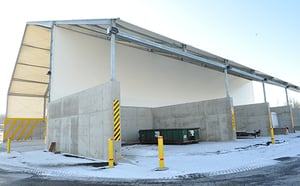
We have designed our buildings to combat corrosion in a number of ways:
“Legacy buildings are really ideal for salt storage,” said Van Scoyoc. “The fabric, the rigid frame and the ExxoTec™ PVC fabric are all optimized for daily use by municipal and commercial snow removal operations. And of course, the natural light inside a fabric building allows for ongoing energy cost savings.”
A fabric salt storage building is one tool for city, county and state officials to both keep the roads open and protect the taxpayers’ money.
Ready to learn how a fabric structure can add efficiencies to your operation? Contact us today.
When selecting a building manufacturer, it's easy to compare building sizes, pricing, and features. But some of the most important differences happen...
As specialty building systems gain traction across municipal, industrial, aviation, and recreational markets, more general contractors are managing...
The future of industrial construction is entering a new era, with the future defined by speed, flexibility, and smarter choices. Looking ahead in...