3 min read

Steel-Framed Buildings for Sports Performance Facility Design

Steel-Framed Buildings for Sports Performance Facility Design
6:40

Key Takeaways

Steel-framed fabric buildings solve two core challenges for college athletic programs:

Athletes get consistent year-round training conditions while programs avoid the delays and costs of conventional construction.

It’s often said that practice makes perfect. And while it may be a stretch to say practice makes perfect, it’s true that practice makes better.

But even that only works if practice is consistent. That requires indoor facilities that support year-round use across multiple sports. Colleges that invest in enclosed practice facilities see better athletic outcomes than programs limited by weather-dependent outdoor spaces.

Steel-framed fabric buildings address the core requirements of college athletic facility design: clearspan space, durability and construction efficiency.

Clearspan Space for Play and Practice

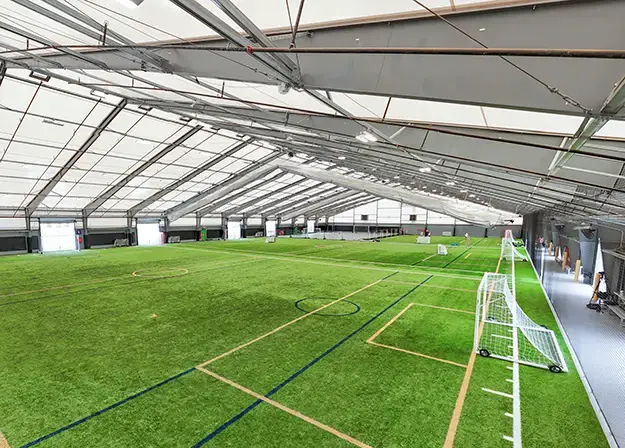
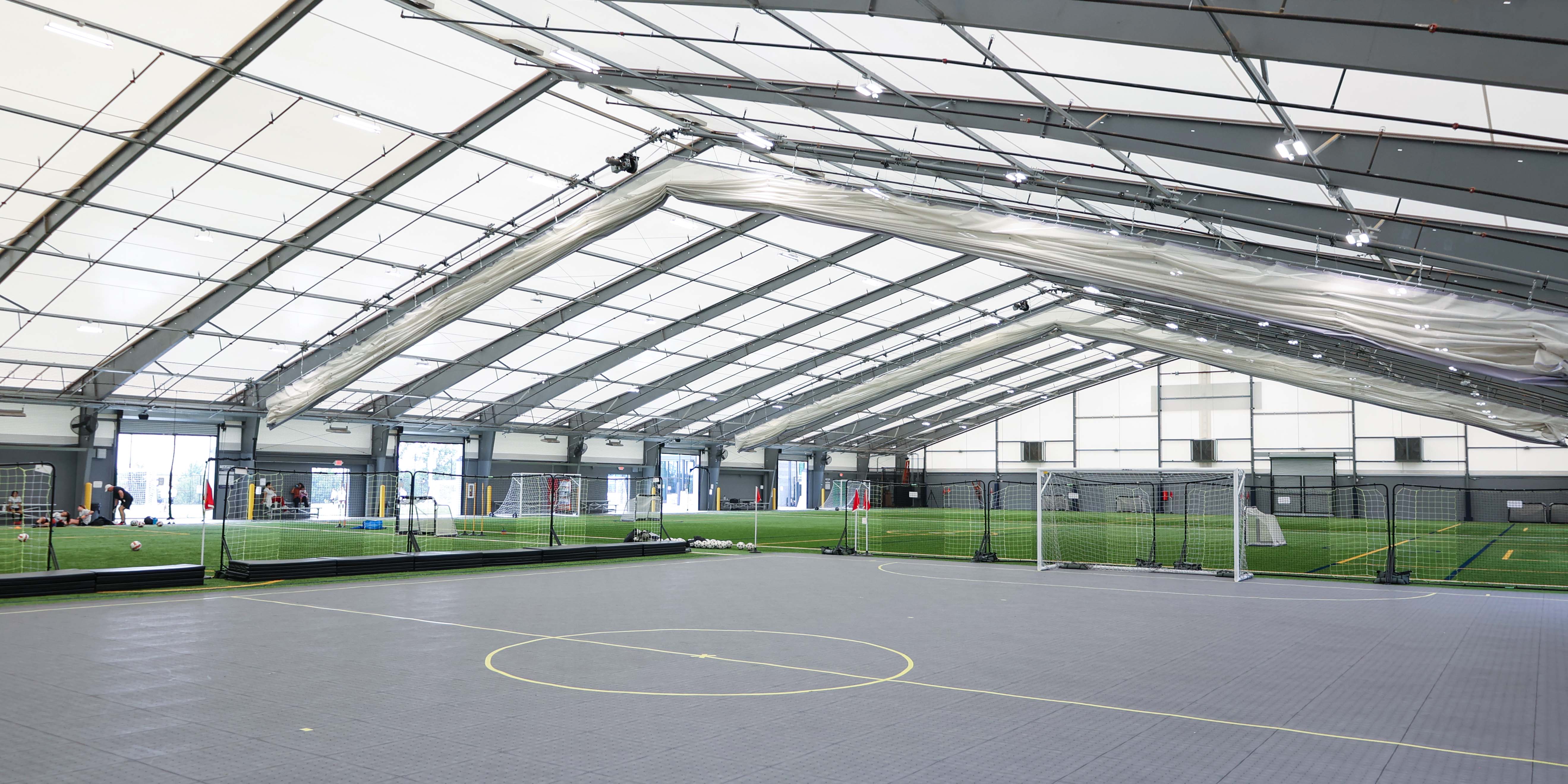
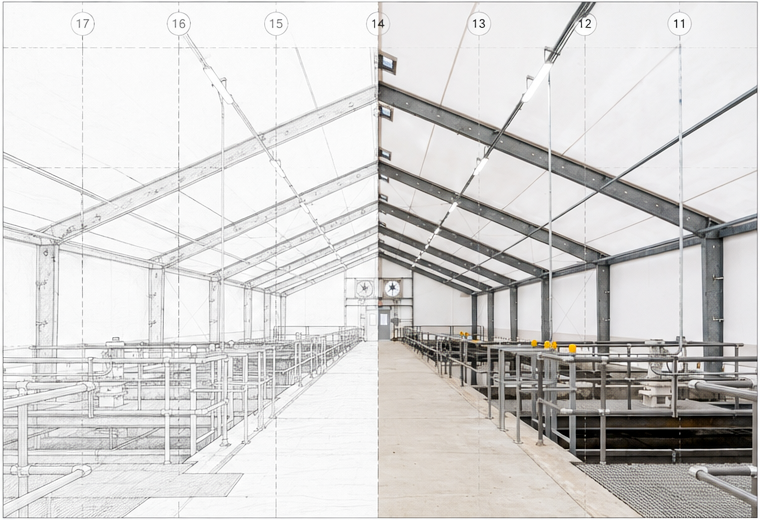
Steel-framed fabric construction uses rigid I-beam frameworks that support wide clearspan interiors. Buildings can reach widths more than 300 feet with no interior columns, creating unobstructed space for athletic training and competition.

Usable space is one of the most important features of sports performance facility design. Unobstructed area means room to run plays and throw passes, and space for weight rooms, walking tracks and other multi-sport building features.

The Fox Creek Multiplex shows clearspan versatility, combining an ice rink, gymnasium, and community spaces in connected structures that serve multiple athletic programs.

Steel I-beam engineering also supports suspended mezzanines and elevated spaces. This helps keep offices, trainers and press boxes off the playing surface.

Advantages of Steel-Framed Buildings Over Bubbles

Unlike fabric sports domes, steel-framed buildings are permanent and semi-permanent buildings engineered for year-round use. High winds, snow, rain or even hail will not cause the building cladding to ripple or blow.

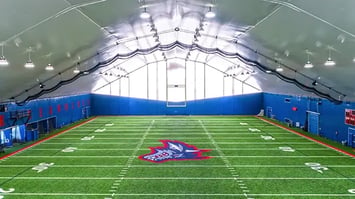
Athletes inside the building will stay focused on the task at hand, not worrying about the outside conditions. The building is fully insulated for comfort. The bright white liner provides a clean, polished look and magnifies lighting inside the building to save on ongoing energy costs.

The Bay Club South San Francisco showcases how fabric interiors create bright, professional athletic environments across 90,000 square feet of tennis courts, fitness areas, and recreational spaces.

Insulation and the inner fabric liner muffle ambient noise inside the building – keeping the focus inside the building on the sounds of the players and coaches, not squeaks, bounces and grunts.

The appearance of a lined fabric building mimics the look of pro sports stadiums to impress prospective players and coaches touring the facility – unlike ugly inflatable bubbles.

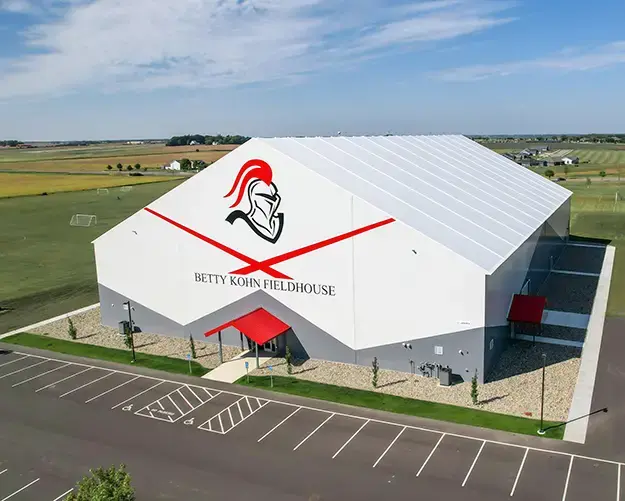
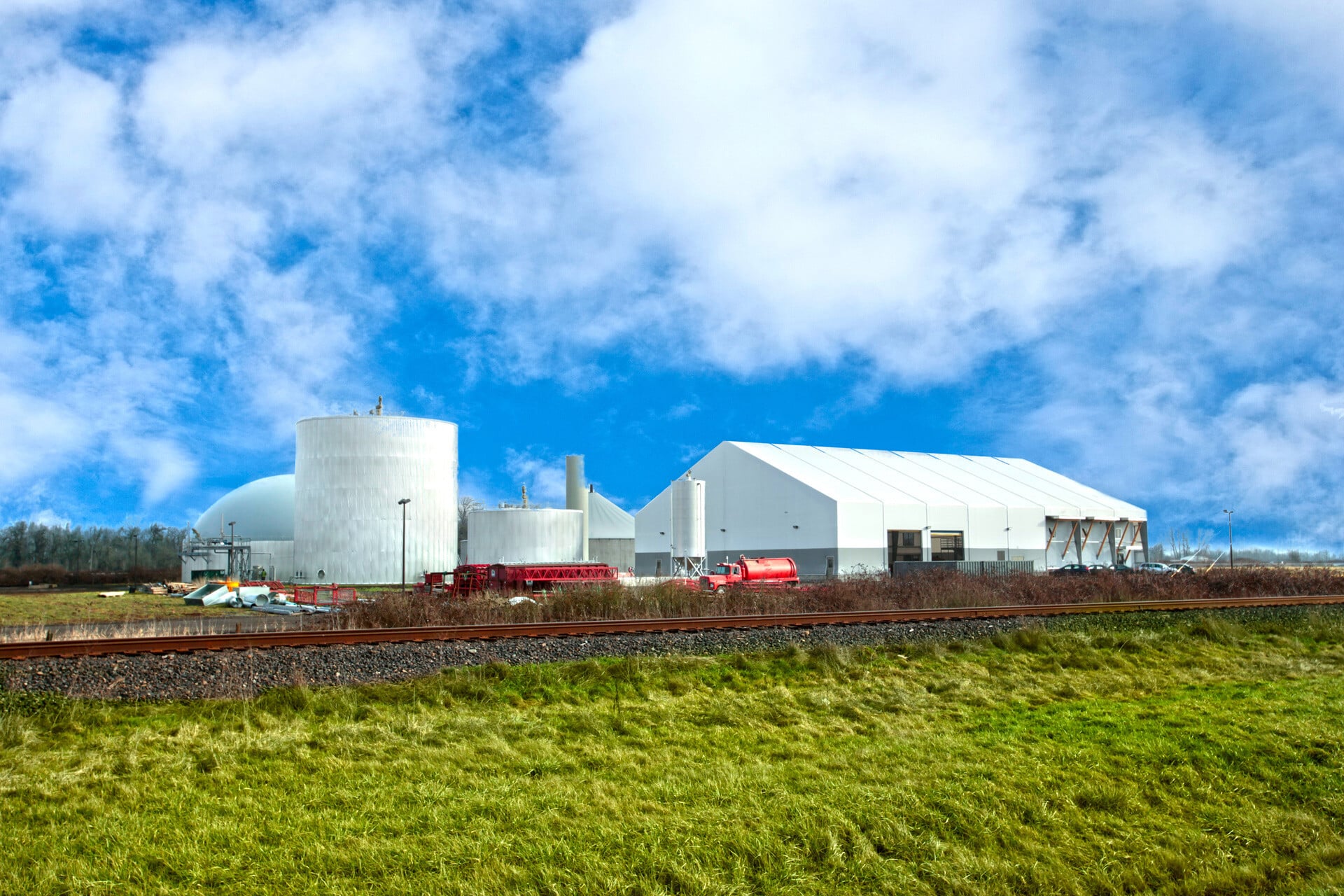
Steel-framed buildings have a traditional gable shape that blends in with other facilities on campus. Design flexibility allows these buildings to integrate with existing campus aesthetics through customizable rooflines, colors, and exterior materials.

Using coordinating fabric colors or adding stone, brick or other building materials on the outside of the building will help it fit in neatly among other long-standing campus buildings. Alumni and the board of directors will appreciate the opportunity to enhance school branding with the new practice facility.

The Stony Brook University athletic facility demonstrates how steel-framed buildings can meet specific footprint requirements while aligning with surrounding campus buildings.

Steel-framed buildings are always ready for use. There are no expenses or time lost to inflating an air bubble. The flexibility of a fabric sports center on a rigid steel frame grants the flexibility to hold multiple sports practices inside, as well as dances, concerts and other events.

Design Considerations for Athletic Directors and Architects

Athletic facility planning means dealing with athletic directors prioritizing practice schedules and sport-specific needs, architects balancing structural requirements with campus integration, and contractors managing timelines and budgets.

Steel-framed fabric construction addresses these planning concerns:

Customizable to your sport: Buildings scale to fit football fields, tennis courts, or multi-sport complexes. Widths, lengths, and heights adjust to match your program's requirements.

Faster completion: Pre-engineered components arrive ready to install, reducing construction time and keeping your existing athletic operations running during the build.

Next Steps for Athletic Facility Planning

Athletic facility development starts with knowing your program's specific needs. Sport types, practice schedules, spectator needs, and budget parameters. Early planning helps identify if steel-framed fabric construction aligns with your project goals.

Frequently Asked Questions

How do steel-framed fabric buildings compare to traditional gymnasium construction?

Steel-framed fabric buildings build faster and cost less than traditional metal or concrete gyms. You get the same structural strength with wider open spaces and no interior columns blocking your practice area. This means more usable space for less money and faster project completion.

Can one facility handle multiple sports?

Yes. Without interior columns, you can set up basketball courts, volleyball courts, batting cages, and weight training areas in the same space. Use them at the same time or change the layout as your program needs evolve.

How long does construction take?

These buildings complete weeks or months faster than traditional construction. Most components are built off-site and arrive ready to install, which cuts down on-site construction time and gets your athletes practicing sooner.

Do these buildings meet safety codes?

Yes. Steel-framed fabric buildings meet the same building codes as traditional gyms - including wind, snow, and safety requirements. They're engineered for your location's specific weather conditions and use needs.

How do these buildings handle severe weather?

The steel frame stays solid in high winds, heavy snow, and storms. The fabric won't tear or degrade, and insulation keeps the interior comfortable year-round. Your athletes can practice every day regardless of outside conditions.