IAS AC472 Accreditation | Legacy Building Solutions
When selecting a building manufacturer, it's easy to compare building sizes, pricing, and features. But some of the most important differences happen...
Open, enclosed, and insulated configurations for facilities across sports, agriculture, and general use.
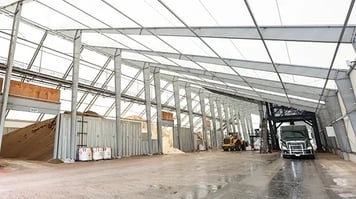
Purpose-built for industrial and corrosive environments where standard coatings and structures fall short.
4 min read
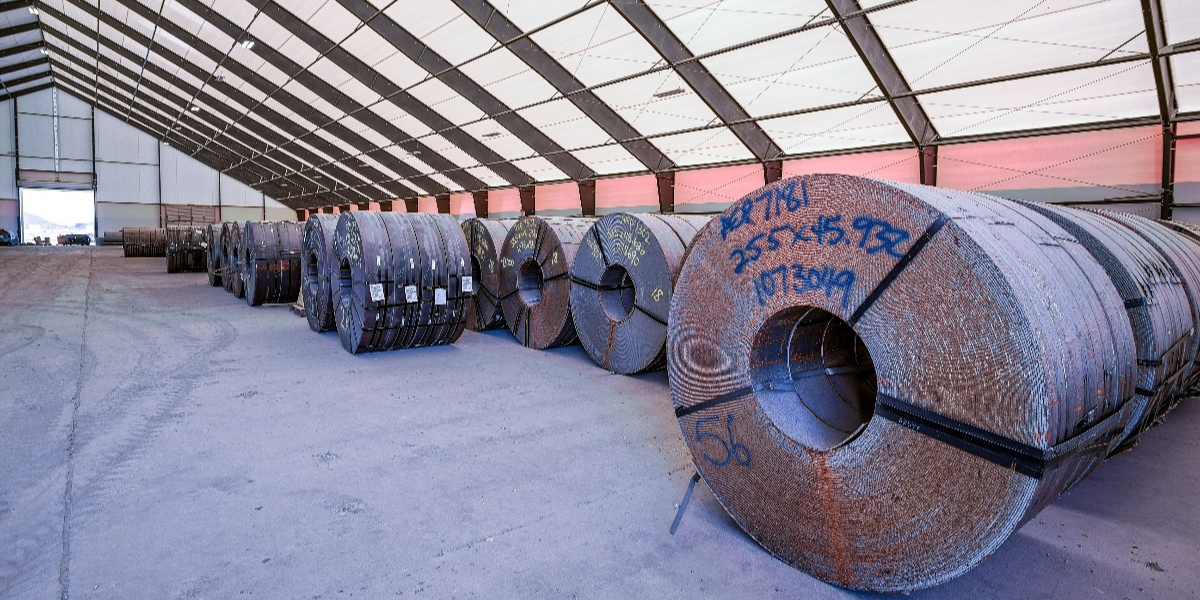
Inland waterways are the most cost-effective, environmentally friendly, and efficient way to move goods across the country. With the global port infrastructure market expected to reach $300 billion by 2032 and inland ports emerging as the fastest-growing segment, port authorities face increasing pressure to provide safe, dry and economical storage solutions for the growing volume of goods transported via barge.
The Infrastructure Investment and Jobs Act allocated $17 billion to ports and inland waterways, highlighting the critical need for modernized port facilities. As inland ports handle everything from bulk commodities to containerized cargo, fabric structures offer proven solutions to meet the demanding needs for operational challenges at waterway terminals.
Picture this: Your traditional steel storage building at the waterfront is slowly deteriorating. Salt air eats away at the metal frame, rust compromises structural integrity, and maintenance costs spiral out of control. According to industry data, 80% of inland waterway infrastructure has already exceeded its 50-year design life, making durability more critical than ever.
While conventional buildings struggle against harsh, salty, damp air, architectural fabric remains unaffected.
The solid steel frame traditionally relied on hot-dip galvanizing (HDG) for protection. However, modern solutions like EpoxxiShield™ apply an epoxy coating to the structure, creating a barrier of corrosion protection.
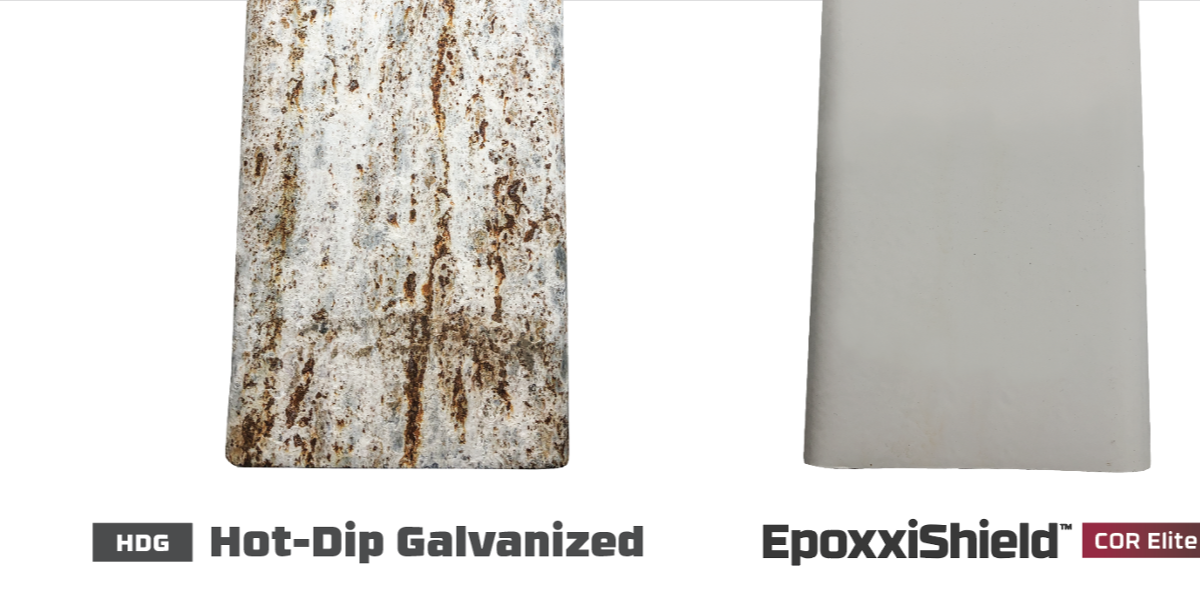
Independent testing reveals the difference: When comparing HDG-protected steel with EpoxxiShield™-coated steel, the corrosion went deeper into the HDG-protected steel, while the steel with EpoxxiShield™ showed no visible damage. This advanced coating technology means your building frames stay protected and are easier to repair.
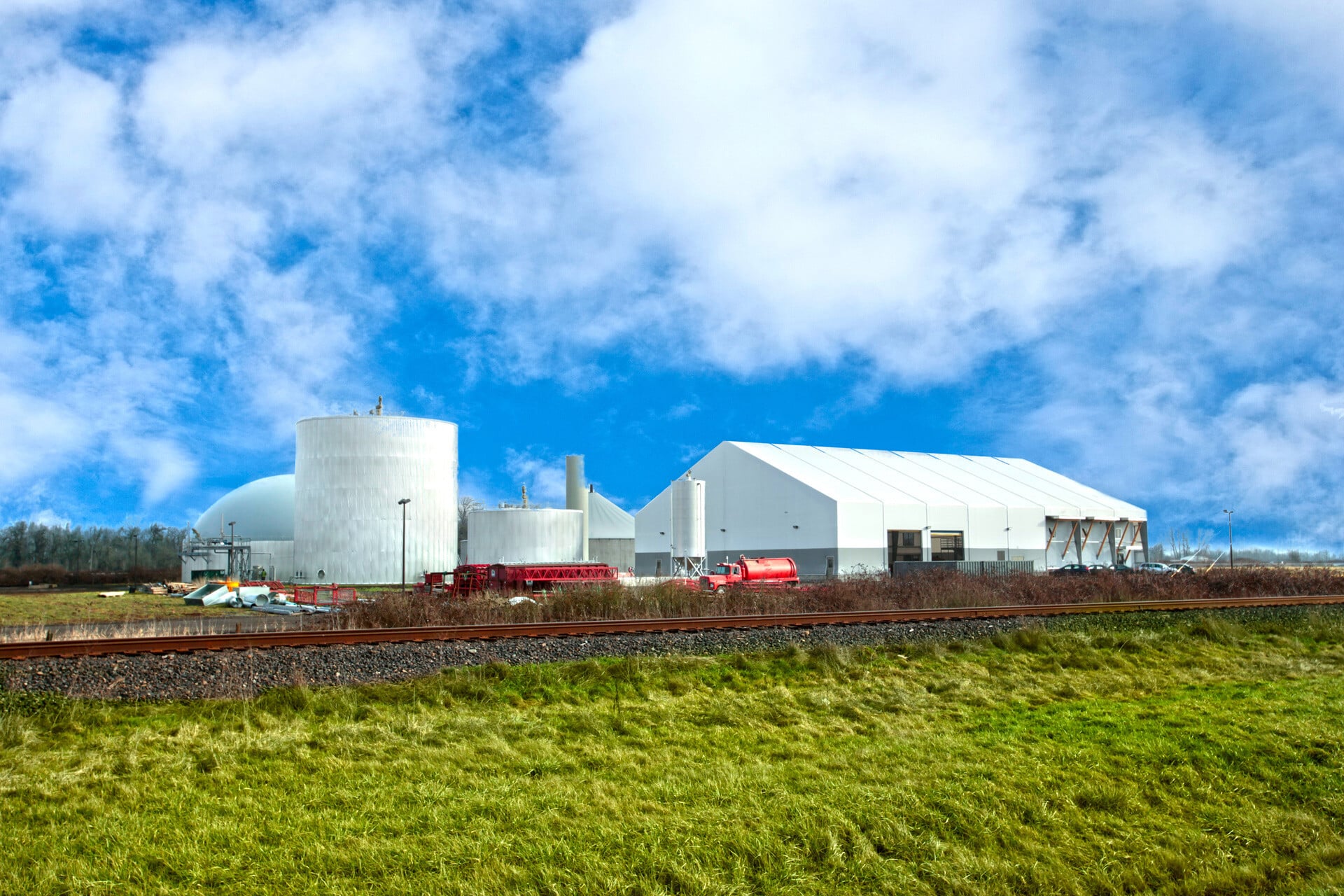
As a result, fabric structures outlast other building types, reducing lifetime operating costs and downtime due to maintenance. For facilities like the Beelman River Terminal's 44,200 sq ft bulk corrosive storage building in Venice, IL, this durability translates directly to operational reliability.
Managing an inland port means juggling multiple priorities: maximizing storage capacity, ensuring quick vessel turnaround, and maintaining safe working conditions. Traditional buildings often force compromises, but modern fabric structures adapt to your specific operational needs.
When you partner with a dedicated fabric-building expert, they will learn your specific needs and the project details. This consultant will stay with you through every phase of the project.
Fabric structure specialists design and build fabric structures to fit your specific needs while ensuring safety, longevity, and functionality. They consider every detail of the structure's purpose, daily use, site environmental factors, and building code requirements.
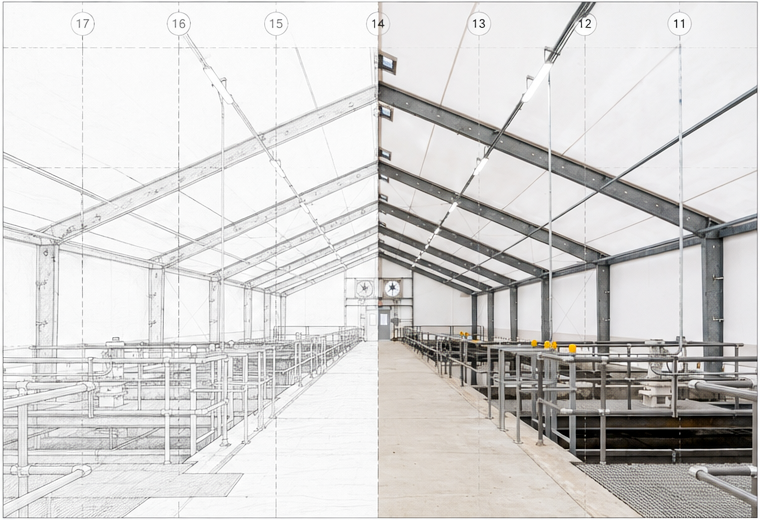
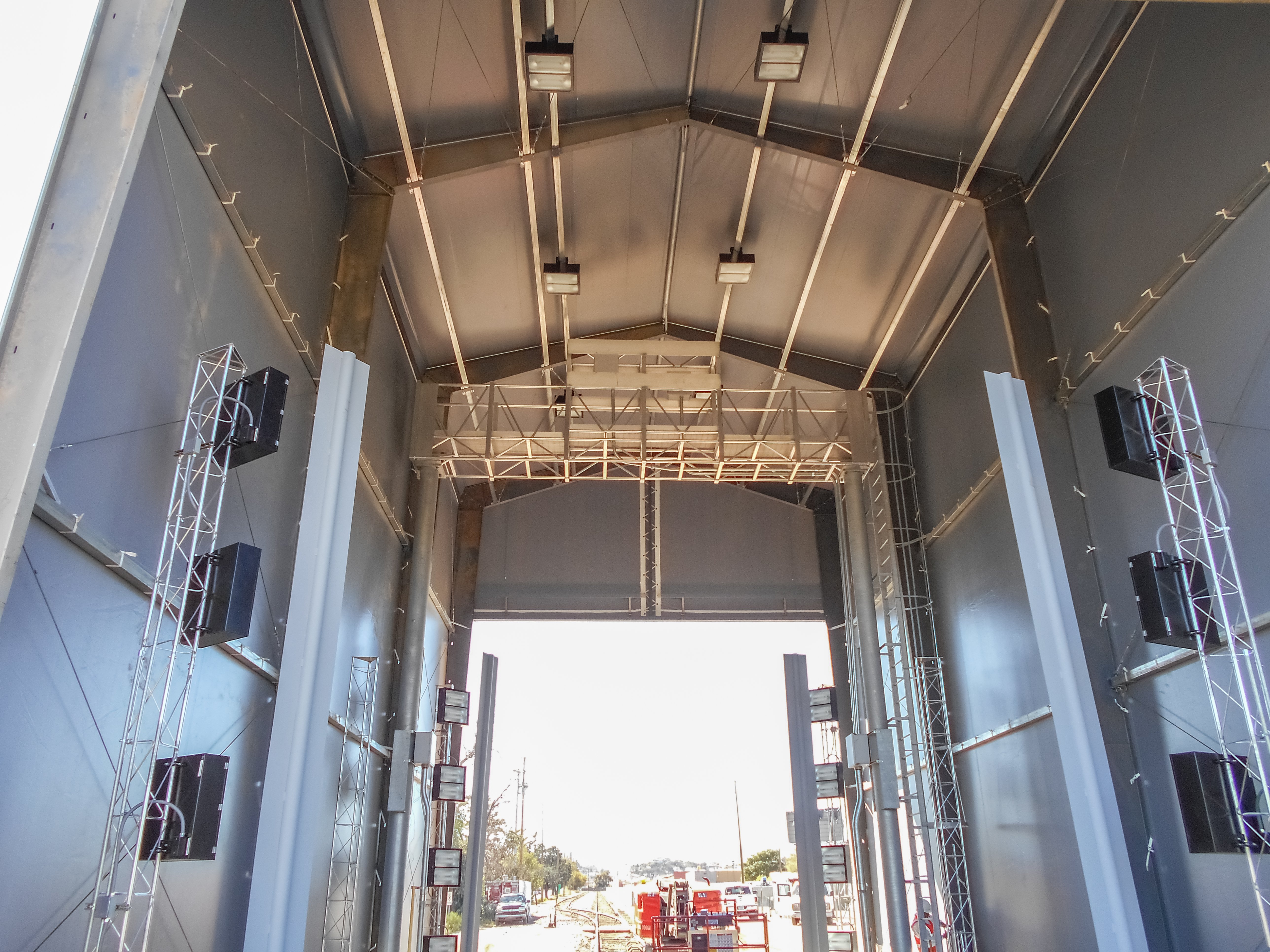
For instance, transloading operations like conveyors, bridge cranes, lean-tos for truck loading, pre-cast concrete walls and large doors are accommodated in the rigid steel frame design. Modern fabric building design criteria ensure your fabric structure is optimized to maximize efficiency and your return on investment.
Recent projects like the DuraPort Marine and Rail Warehouse's 51,360 sq ft facility in Bayonne, NJ, demonstrate how these structures handle complex operational requirements.
With extreme weather events becoming more frequent—from droughts affecting Mississippi River levels to coastal storms—protecting stored materials has never been more critical.
Well-ventilated fabric structures provide a dry environment for stored material. Patented systems provide an airtight environment without leaks and penetrations. Ventilation, including passive ventilation systems, dehumidifiers, fans and HVAC equipment, prevents condensation for an ideal environment in any conditions.
Fabric is the only building material that allows natural light to penetrate the roof and walls, providing natural light for indoor work, so additional electric lighting is not required during daytime operations. Natural light also provides a better environment for stored materials – there are no shadowy corners to hide rodents, mold, and other problems.
Design-build management starts in the pre-construction phase. Experienced representatives work with you to identify your needs–including the types and volume of material to be stored–and design the entire building around your operation. Your new structure will take full advantage of the available footprint, providing an efficient storage solution without wasted interior space.
The IEI Barge Services project in East Dubuque, IL exemplifies this approach. Facing soil stability challenges that made traditional construction cost-prohibitive, they chose a 63,010 sq ft fabric structure that solved both their technical and budgetary constraints.
Modern rigid steel frame buildings adhere to the same proven engineering principles as traditional construction. Local safety regulations and port authority safety requirements are also accounted for in the building’s engineering. These rigid frame buildings are engineered to meet codes for wind load, snow or seismic load, and additional collateral loads on the building from operational or life-safety equipment.
With infrastructure investment reaching record levels and regulatory requirements becoming more stringent, choosing a building system that meets current and future standards is essential for long-term success.
The infrastructure choices you make today will impact your operations for decades. Fabric structures offer inland port operators a proven solution that addresses the unique challenges of waterfront environments while providing the flexibility to adapt to changing operational needs.
Whether you're expanding existing facilities, replacing aging infrastructure, or developing new transloading capabilities, fabric structures deliver:
As inland ports continue to change, understanding all available infrastructure options are important. Learn more about modern port storage solutions and how facilities across the country are addressing their unique operational challenges.

When selecting a building manufacturer, it's easy to compare building sizes, pricing, and features. But some of the most important differences happen...
As specialty building systems gain traction across municipal, industrial, aviation, and recreational markets, more general contractors are managing...
The future of industrial construction is entering a new era, with the future defined by speed, flexibility, and smarter choices. Looking ahead in...